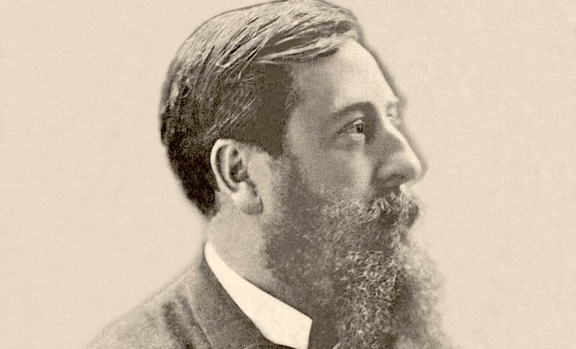
Léo Delibes, one of the most celebrated French composers of the 19th century, is best known for his contributions to ballet and opera. His compositions, characterized by their melodic charm, elegant orchestration, and dramatic expressiveness, played a pivotal role in shaping the Romantic era of French music. Delibes’ works, particularly Coppélia and Lakmé, remain popular and influential in the world of classical music today.
Early Life and Musical Training
Léo Delibes was born on February 21, 1836, in Saint-Germain-du-Val, France. Coming from a musical family, he showed an early aptitude for music. At the age of 12, he entered the prestigious Paris Conservatoire, where he studied under prominent musicians such as Adolphe Adam, the composer of Giselle. Delibes quickly distinguished himself with his natural talent for melody and harmony, setting the stage for a successful career in composition.
Career and Rise to Fame
Delibes began his career as an organist and a chorus master at the Théâtre Lyrique and the Opéra. His early compositions included operettas and choral pieces, but his true breakthrough came with ballet music.
In 1870, Delibes composed Coppélia, a ballet based on E.T.A. Hoffmann’s short story The Sandman. The work was an immediate success, praised for its lively rhythms, imaginative orchestration, and engaging storytelling. Coppélia remains a cornerstone of classical ballet, performed by major ballet companies worldwide.
Following this success, Delibes turned to opera. In 1883, he composed Lakmé, an opera set in colonial India. The opera became widely recognized for its famous “Flower Duet,” which has been used extensively in film and advertisements. The piece showcases Delibes’ gift for lyrical beauty and exotic orchestration, elements that distinguish him from many of his contemporaries.
Musical Style and Influence
Delibes’ music embodies the elegance and charm of French Romanticism. His works often feature delicate orchestrations, colorful harmonies, and an innate sense of drama. His ability to blend expressive melodies with intricate orchestration influenced later composers, including Pyotr Ilyich Tchaikovsky, who admired Delibes’ ballet scores.
Delibes played a significant role in elevating ballet music to an art form of its own, independent of opera. Before his time, ballet scores were often seen as secondary to the choreography. Delibes’ compositions, with their symphonic qualities, demonstrated that ballet music could stand on its own as a vital component of the theatrical experience.
Legacy and Death
Léo Delibes passed away on January 16, 1891, in Paris. Although he did not produce a vast number of works, his impact on ballet and opera remains profound. Coppélia and Lakmé continue to be performed and celebrated, cementing his place in the history of classical music.
Delibes’ influence can be heard in the works of later composers, and his music remains an essential part of the Romantic repertoire. Through his innovative approach to composition, he helped shape the development of ballet music and left a lasting legacy that continues to enchant audiences today.
Comments are closed