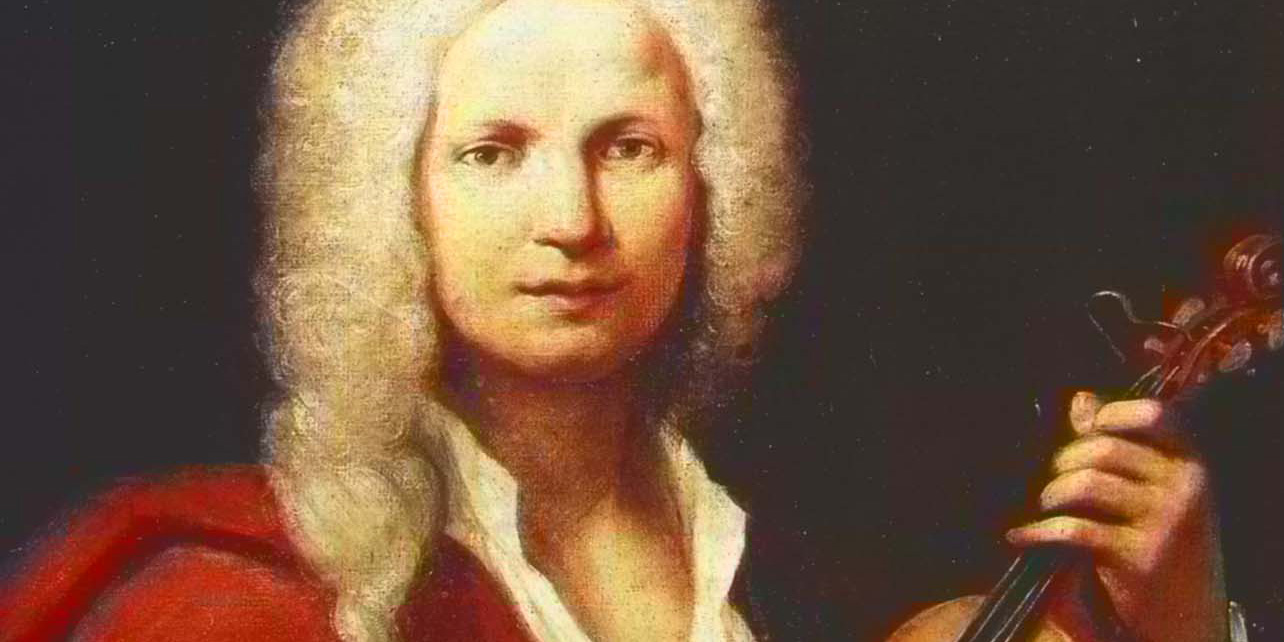
Antonio Vivaldi (1678–1741), known as “The Red Priest” due to his red hair and clerical status, is one of the most celebrated composers of the Baroque era. Among his vast and diverse output, his Violin Concertos stand out as some of the most innovative and influential works of their time, helping to shape the future of the concerto form and showcasing the expressive potential of the violin as a solo instrument.
A Prolific Legacy
Vivaldi composed more than 230 violin concertos, a staggering number that highlights both his prolific nature and his deep connection with the instrument. He himself was an accomplished violinist, which allowed him to explore the technical and expressive capabilities of the instrument with great imagination.
These concertos were written throughout his career, but many of them were composed during his time as a teacher and music director at the Ospedale della Pietà in Venice, an orphanage for girls with a strong emphasis on musical training. There, Vivaldi had access to a talented group of young female musicians, many of whom were highly skilled violinists. This environment provided the perfect setting for Vivaldi to experiment with the concerto form and tailor works to specific performers.
Innovations and Structure
Vivaldi helped to standardize the three-movement structure of the concerto—fast, slow, fast—which became a model for later composers. His music was characterized by energetic rhythms, bold harmonies, and vivid contrasts. Vivaldi’s use of ritornello form (alternating recurring themes with contrasting episodes) gave his concertos a dynamic and dramatic character.
In these works, the solo violin engages in a dialogue with the ensemble, alternating between virtuosic passages and lyrical melodies. Vivaldi’s writing often pushed the boundaries of the instrument’s capabilities, incorporating rapid arpeggios, intricate ornamentation, and unexpected modulations.
“The Four Seasons”: The Crown Jewel
The most famous of Vivaldi’s violin concertos is undoubtedly “The Four Seasons” (Le quattro stagioni), a set of four concertos published in 1725 as part of Il cimento dell’armonia e dell’inventione (The Contest Between Harmony and Invention). Each concerto is inspired by a different season and is accompanied by a sonnet, possibly written by Vivaldi himself, that describes the scenes depicted in the music.
The Four Seasons was revolutionary in its use of programmatic music—music that tells a story or paints a picture. From the chirping of birds in “Spring” to the dramatic thunderstorms of “Summer” and the icy winds of “Winter,” these concertos demonstrate Vivaldi’s ability to evoke nature and emotion with remarkable precision.
Influence and Revival
Vivaldi’s violin concertos had a significant impact on the development of the concerto form, influencing composers like J.S. Bach, who transcribed several of Vivaldi’s concertos for keyboard. However, after Vivaldi’s death in 1741, his music fell into relative obscurity for nearly two centuries.
It wasn’t until the early 20th century that a revival of interest in Baroque music brought Vivaldi’s work, especially his violin concertos, back into the spotlight. Today, they are a staple of the classical repertoire, beloved by audiences and performers alike for their energy, elegance, and inventiveness.
Conclusion
Antonio Vivaldi’s violin concertos represent a landmark in Baroque music and in the evolution of the concerto as a genre. Through his inventive style and deep understanding of the violin, Vivaldi left an enduring legacy that continues to captivate and inspire. Whether through the familiar strains of The Four Seasons or the lesser-known gems among his 230+ concertos, Vivaldi’s music remains a vital part of the classical canon.
Comments are closed