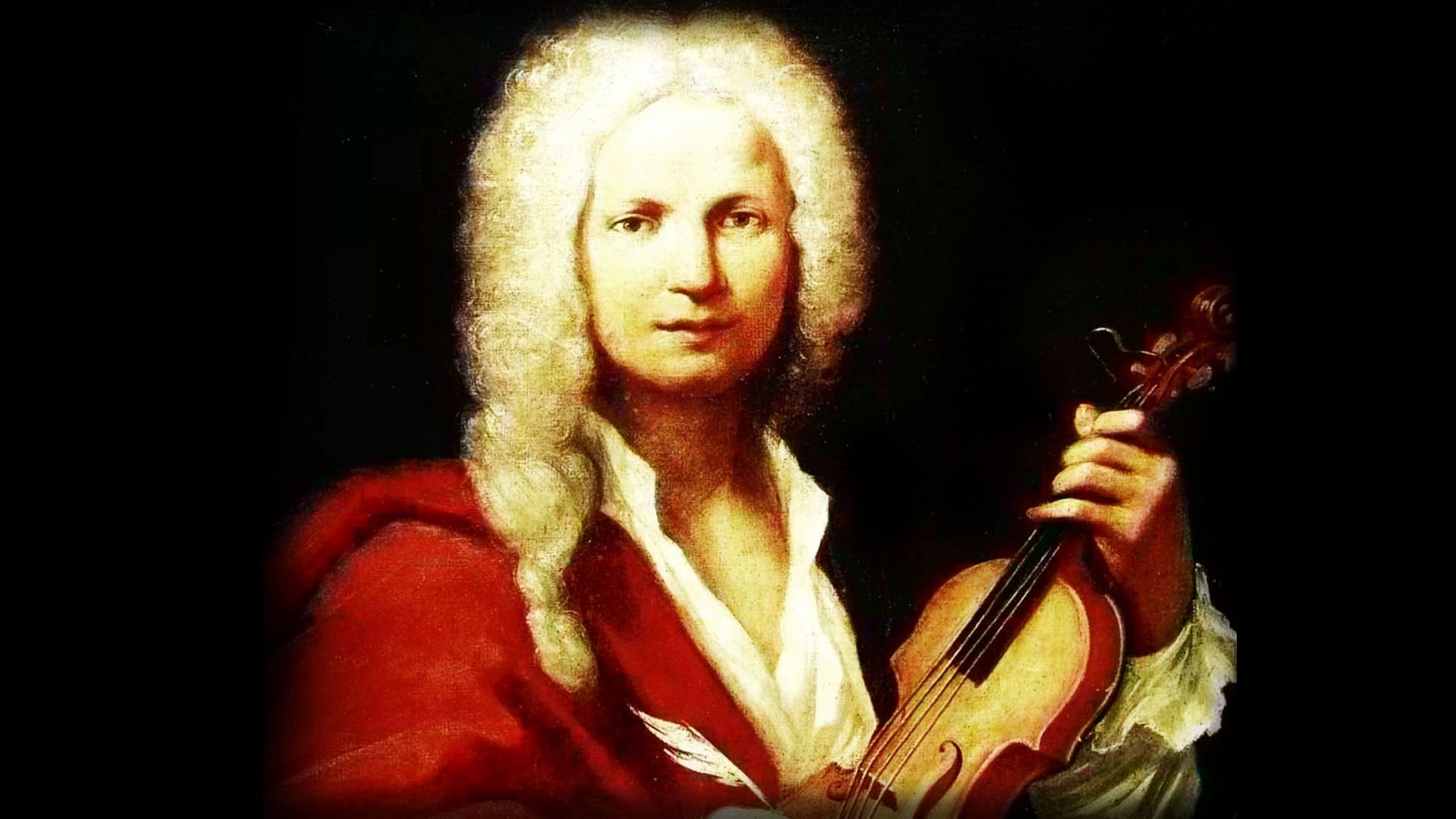
Antonio Vivaldi, the brilliant Venetian composer of the Baroque era, is celebrated for his lively, expressive works that continue to captivate audiences centuries later. Among his many masterpieces, “Gloria in D Major, RV 589” holds a special place. This sacred choral work, full of exuberance and devotion, stands as one of Vivaldi’s most beloved and frequently performed compositions.
Origins and Context
Vivaldi composed the “Gloria” around 1715, during his time as a music teacher and composer at the Ospedale della Pietà, a renowned orphanage and music school for girls in Venice. The Pietà was famous for its extraordinary musical ensembles, and many of Vivaldi’s sacred works, including this “Gloria,” were intended for performance by the institution’s talented female musicians.
While the exact date of the “Gloria’s” composition remains uncertain, scholars generally agree it was written for a festive liturgical celebration, possibly Christmas or Easter. The work exemplifies the Venetian Baroque style, characterized by vibrant rhythms, rich textures, and dramatic contrasts between soloists and chorus.
Structure and Musical Features
Vivaldi’s “Gloria” is set to the Latin text of the hymn from the traditional Catholic Mass, beginning with the jubilant words “Gloria in excelsis Deo” (“Glory to God in the highest”). The composition is divided into twelve distinct movements, each illuminating a different phrase of the text with varied musical character and emotional tone.
The opening movement bursts forth with an infectious energy, as the chorus proclaims divine glory with a bright, ceremonial mood. In contrast, later movements such as “Domine Deus, Agnus Dei” offer a more contemplative and tender reflection, featuring expressive solo passages.
Vivaldi expertly balances the interplay between soloists, chorus, and orchestra throughout the piece. His use of contrasting dynamics, rhythmic vitality, and lyrical melodies infuses the “Gloria” with a sense of spiritual joy and human warmth that transcends its liturgical purpose.
Rediscovery and Modern Popularity
Despite its brilliance, Vivaldi’s “Gloria” fell into relative obscurity after his death in 1741. Like much of his sacred music, it was largely forgotten until the 20th century, when a renewed interest in Baroque music led to the rediscovery of many of his works.
The “Gloria” was one of the pieces brought to light during this period, captivating modern audiences with its vibrant spirit and timeless beauty. It quickly became a favorite in both sacred and secular concert settings, frequently performed by choirs and orchestras around the world.
Today, “Gloria in D Major” stands not only as a testament to Vivaldi’s genius but also as a symbol of the enduring power of Baroque music to inspire joy and devotion across generations.
Conclusion
Antonio Vivaldi’s “Gloria in D Major” is a luminous example of sacred Baroque music at its finest. Composed for the gifted musicians of the Ospedale della Pietà, it captures both the grandeur of liturgical celebration and the intimate expressiveness of personal faith. Its rediscovery in the modern era has secured its place as a cornerstone of the choral repertoire, delighting listeners with its uplifting melodies and dynamic contrasts.
Whether performed in a grand cathedral or a concert hall, the “Gloria” continues to shine as one of Vivaldi’s most radiant and enduring achievements.
Comments are closed