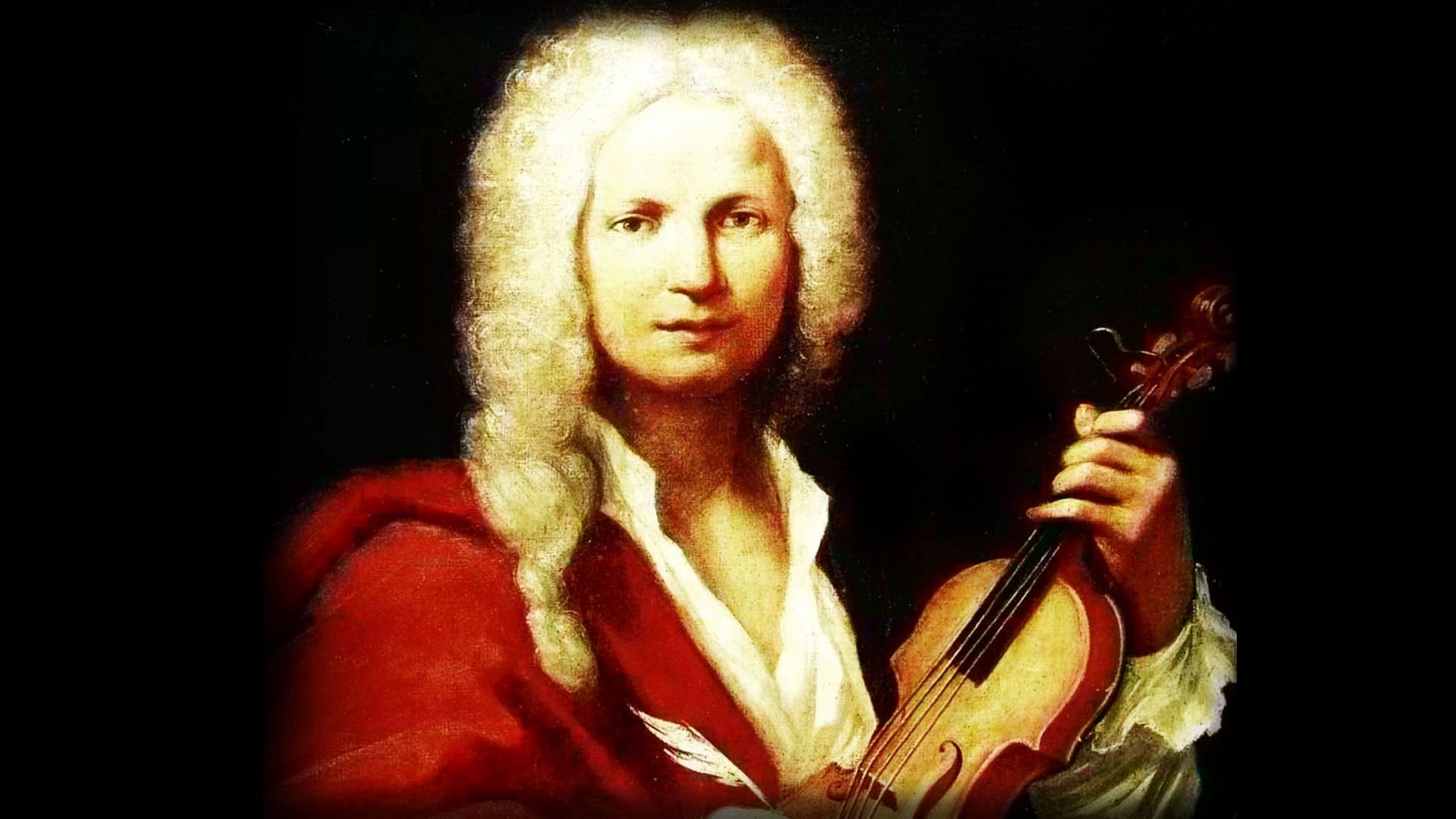
Antonio Vivaldi, one of the most celebrated composers of the Baroque era, is renowned for his lively and inventive concertos, many of which remain central to the classical repertoire today. Among his many contributions to music, the Concerto for Mandolin in C major, RV 425 stands out as a remarkable example of his ingenuity and his ability to spotlight lesser-used instruments. This charming piece not only showcases Vivaldi’s compositional brilliance but also highlights the mandolin’s expressive potential in a way that few composers of his time explored.
Context and Composition
Vivaldi composed the Mandolin Concerto around 1725, during a particularly fertile period of his career. By then, he was already widely famous across Europe, known for his masterful concertos, sacred music, and operas. The Mandolin Concerto was likely written for a private performance, possibly for one of the wealthy patrons or music schools (such as the Ospedale della Pietà in Venice) with which Vivaldi was closely associated.
Although the violin was Vivaldi’s primary instrument, he had a deep appreciation for a wide array of instruments, including the mandolin, which enjoyed a surge of popularity in Italy during the early 18th century. Mandolins were particularly favored among the aristocracy and amateur musicians, and Vivaldi’s decision to compose a concerto for this instrument reflects both his sensitivity to contemporary tastes and his desire to experiment with new sounds.
Structure and Style
The Concerto for Mandolin in C major, RV 425 follows the typical three-movement structure of the Baroque concerto:
- Allegro — The first movement is bright and rhythmic, characterized by an energetic interplay between the mandolin and the string orchestra. The sparkling, joyful melodies immediately capture the listener’s attention.
- Largo — The second movement offers a striking contrast. It is slow, lyrical, and intimate, featuring a delicate dialogue between the mandolin and the orchestra. Here, Vivaldi allows the mandolin to sing with poignant simplicity, creating an atmosphere of serene beauty.
- Allegro — The final movement returns to a lively and spirited tempo. The quick exchanges between the soloist and the ensemble create a vibrant, dance-like character that concludes the concerto with exuberance.
The concerto’s transparent textures and lively rhythms make it accessible and engaging, not only for audiences of Vivaldi’s time but also for modern listeners.
Legacy and Influence
Although the Mandolin Concerto was not among Vivaldi’s most famous works during his lifetime, it has since become a staple of the mandolin repertoire. In the 20th and 21st centuries, the piece has enjoyed renewed popularity, appearing frequently in concert programs and recordings.
Performers appreciate the concerto for its joyful spirit and technical challenges, which allow the mandolin’s bright, percussive voice to shine. The concerto has also found its way into popular culture, being used in films, television, and advertising, further testifying to its timeless appeal.
Vivaldi’s Mandolin Concerto remains a shining example of his genius for melodic invention and instrumental color. It stands as a testament to his ability to elevate even less commonly featured instruments to the realm of great art, ensuring their place in the classical tradition.
Comments are closed