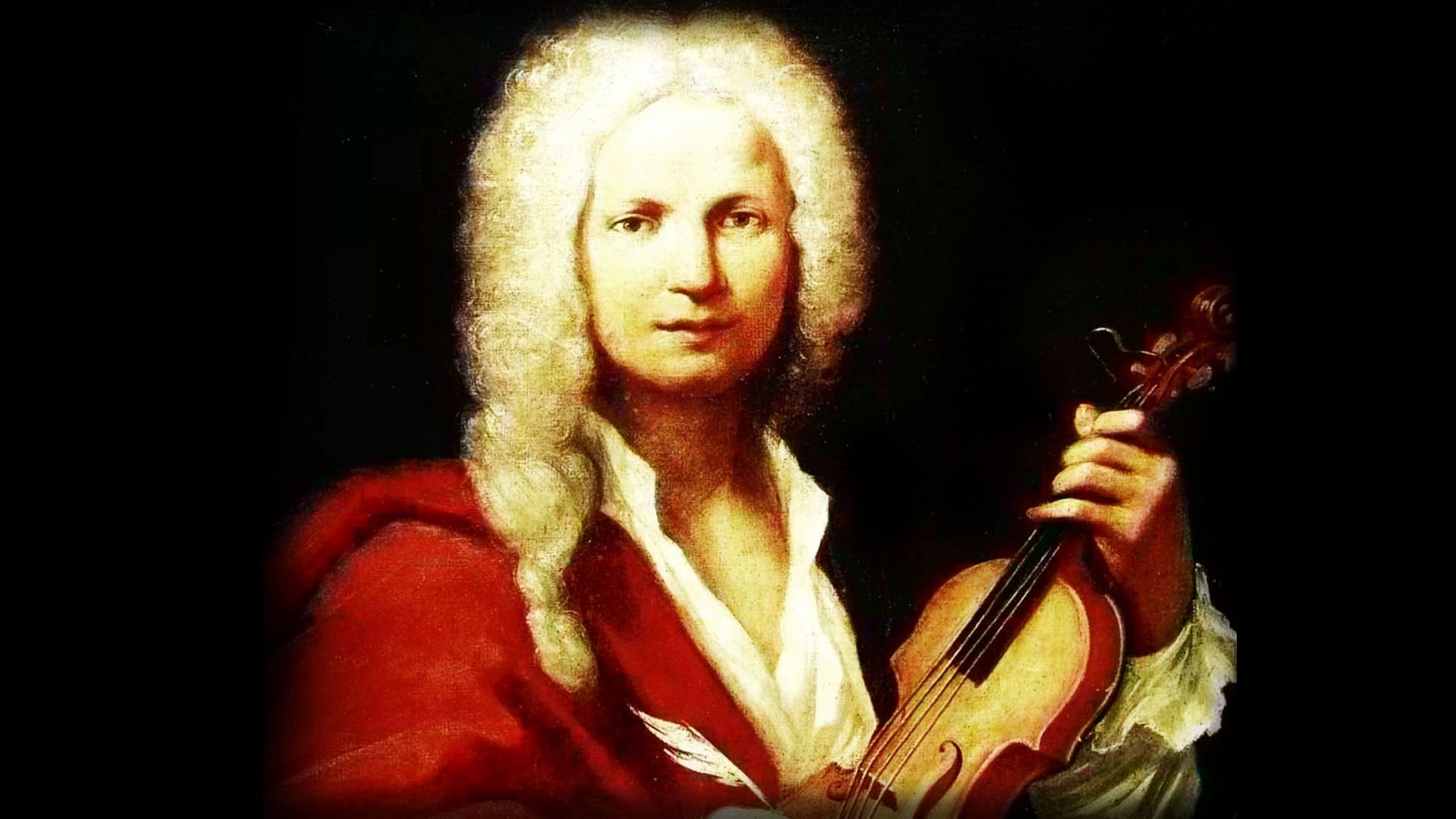
Antonio Vivaldi, the celebrated Venetian composer of the Baroque period, is often associated with his instrumental music, especially The Four Seasons. Yet among his many vocal works, Orlando furioso stands out as one of his most ambitious and compelling operas. First performed in 1727 at the Teatro Sant’Angelo in Venice, Orlando furioso showcases Vivaldi’s remarkable ability to combine virtuosity, drama, and vivid characterization into a vibrant operatic tapestry.
Literary Origins
The opera draws its inspiration from Ludovico Ariosto’s epic poem Orlando Furioso, first published in 1516. Ariosto’s sprawling Renaissance masterpiece follows the adventures of the knight Orlando (Roland) as he descends into madness over his unrequited love for the beautiful princess Angelica. The poem intertwines tales of love, heroism, magic, and war, offering rich material for operatic adaptation. Vivaldi was not the first to turn to Orlando Furioso for inspiration, but his version remains one of the most celebrated musical interpretations.
Vivaldi’s Operatic Ambitions
By 1727, Vivaldi was already an established figure in Venice’s vibrant operatic scene. He had served for many years as a composer and maestro di violino at the Ospedale della Pietà, but he also produced numerous operas for the city’s theaters. Orlando furioso represented an opportunity for Vivaldi to demonstrate his prowess as an opera composer capable of handling complex emotions and dramatic tension.
The libretto for Orlando furioso was adapted by Grazio Braccioli, who had collaborated with Vivaldi before. It condenses and rearranges the labyrinthine plot of Ariosto’s poem to focus on the psychological turmoil of Orlando, as well as the entangled loves and rivalries among Angelica, Medoro, Alcina, and other characters.
The Music
Vivaldi’s Orlando furioso is notable for its bold musical language. The score is rich with vivid arias, complex ensembles, and inventive orchestration. Particularly striking is Vivaldi’s portrayal of Orlando’s madness, using musical devices such as fragmented phrases, rapid changes of mood, and wild leaps in melody to depict his psychological collapse.
The role of Orlando, originally written for a contralto castrato, demands both vocal agility and intense dramatic expression. Similarly, the sorceress Alcina — a character steeped in magic and seduction — is given music of shimmering beauty and eerie power. Vivaldi’s instrumental writing, as always, is full of imaginative color, from sparkling violin passages to dark, brooding continuo sections.
Performance and Reception
Orlando furioso was initially well-received in Venice, although like many Baroque operas, it fell into obscurity after Vivaldi’s death. The complexities of Baroque performance practice and changing musical tastes meant that much of Vivaldi’s operatic output was neglected for centuries.
In the 20th century, with the revival of interest in Baroque music, Orlando furioso was rediscovered and celebrated as a masterpiece of early 18th-century opera. Modern performances, often featuring historically informed approaches with period instruments, have revealed the work’s extraordinary vitality and emotional depth.
Legacy
Today, Orlando furioso is recognized as one of Vivaldi’s greatest achievements in vocal music. It offers a window into the theatrical and musical world of early 18th-century Venice, as well as a profound exploration of love, madness, and heroism. As audiences and musicians continue to rediscover Vivaldi’s operatic legacy, Orlando furioso stands as a testament to his genius not just as a composer of concertos, but also as a master dramatist of the Baroque stage.
Comments are closed