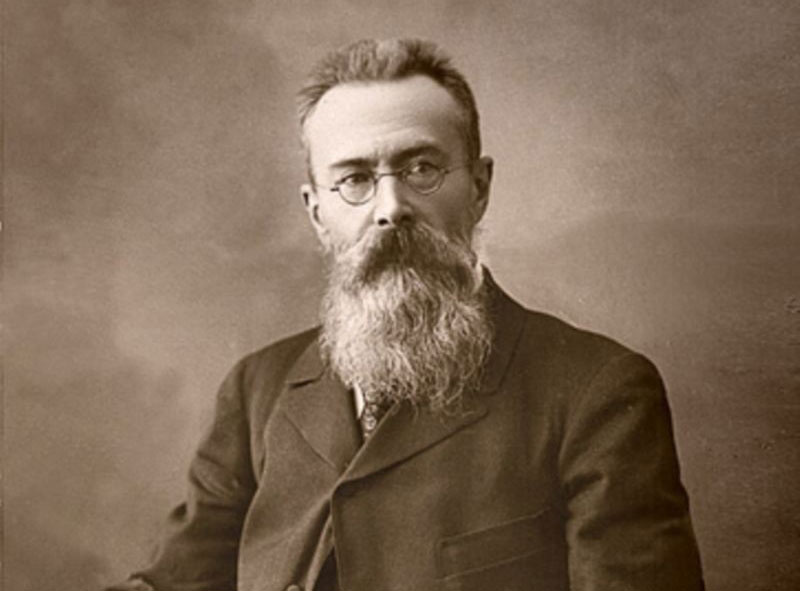
When discussing the orchestral brilliance of Nikolai Rimsky-Korsakov, most music lovers immediately recall masterpieces like Scheherazade or Capriccio Espagnol. Yet, nestled among his early works is a short but striking piece: the Concerto for Trombone and Military Band, composed in 1877. This lesser-known composition showcases the young Russian composer’s flair for color, melodic invention, and his deep understanding of brass instrumentation.
A Rare Gem in the Repertoire
Rimsky-Korsakov’s Trombone Concerto is one of the earliest Russian solo works for trombone and remains one of the very few solo concertos for the instrument from the 19th century. Composed during his tenure as Inspector of Naval Bands for the Russian Navy, the piece was dedicated to and likely written for a trombonist in a naval band—reflecting his engagement with military music at the time.
This concerto is notable not only for its rarity but also for its charm. At a time when the trombone was largely relegated to harmonic or supporting roles in the orchestra or band, Rimsky-Korsakov brought it into the spotlight. The piece demands both technical proficiency and expressive nuance from the soloist, making it a favorite in auditions, recitals, and competitions to this day.
Structure and Style
The Trombone Concerto is a concise, three-movement work that typically runs under ten minutes:
- Allegro Vivace – A bright and energetic movement that introduces a heroic and lyrical theme.
- Andante Cantabile – The lyrical heart of the concerto, showcasing the trombone’s expressive capabilities with warm, singing lines.
- Allegro-Allegretto – A lively finale, often described as a polonaise, that concludes the concerto with elegance and flair.
Though the concerto is orchestrated for military band, it is frequently performed with wind ensemble or piano accompaniment. The lightness of the scoring allows the trombone to sing without being overpowered, and the clear structure gives each movement a distinct character.
A Student Work with Lasting Appeal
Composed when Rimsky-Korsakov was just 33 years old, this concerto reflects his maturing style and growing interest in wind instruments. Though not as harmonically complex or orchestrally rich as his later works, it already displays the lyricism, thematic clarity, and nationalistic flair that would define his major compositions.
Because the piece was written for practical use in naval music programs, it remained relatively obscure for decades. However, with the rise of modern brass pedagogy in the 20th century, musicians and teachers rediscovered the concerto’s value as both a pedagogical piece and a charming concert work.
Legacy and Performance Today
Today, Rimsky-Korsakov’s Trombone Concerto is a staple in the trombone repertoire. It is often one of the first concertos that young trombonists study and perform, thanks to its moderate difficulty and engaging musical content. It serves as a gateway to the Romantic repertoire and introduces students to a major composer who, though better known for his operas and symphonic poems, contributed significantly to brass music.
Numerous professional recordings and arrangements have helped keep the concerto in the public ear, and it is frequently featured in international competitions. It continues to showcase Rimsky-Korsakov’s versatility and his contribution to elevating the trombone as a solo instrument.
Conclusion
While Rimsky-Korsakov’s Trombone Concerto may not enjoy the same fame as his orchestral suites, it remains a treasured work in the brass community. Combining lyrical elegance with technical brilliance, this concise concerto offers a glimpse into the young composer’s evolving voice and his appreciation for the power and beauty of brass instruments.

Comments are closed