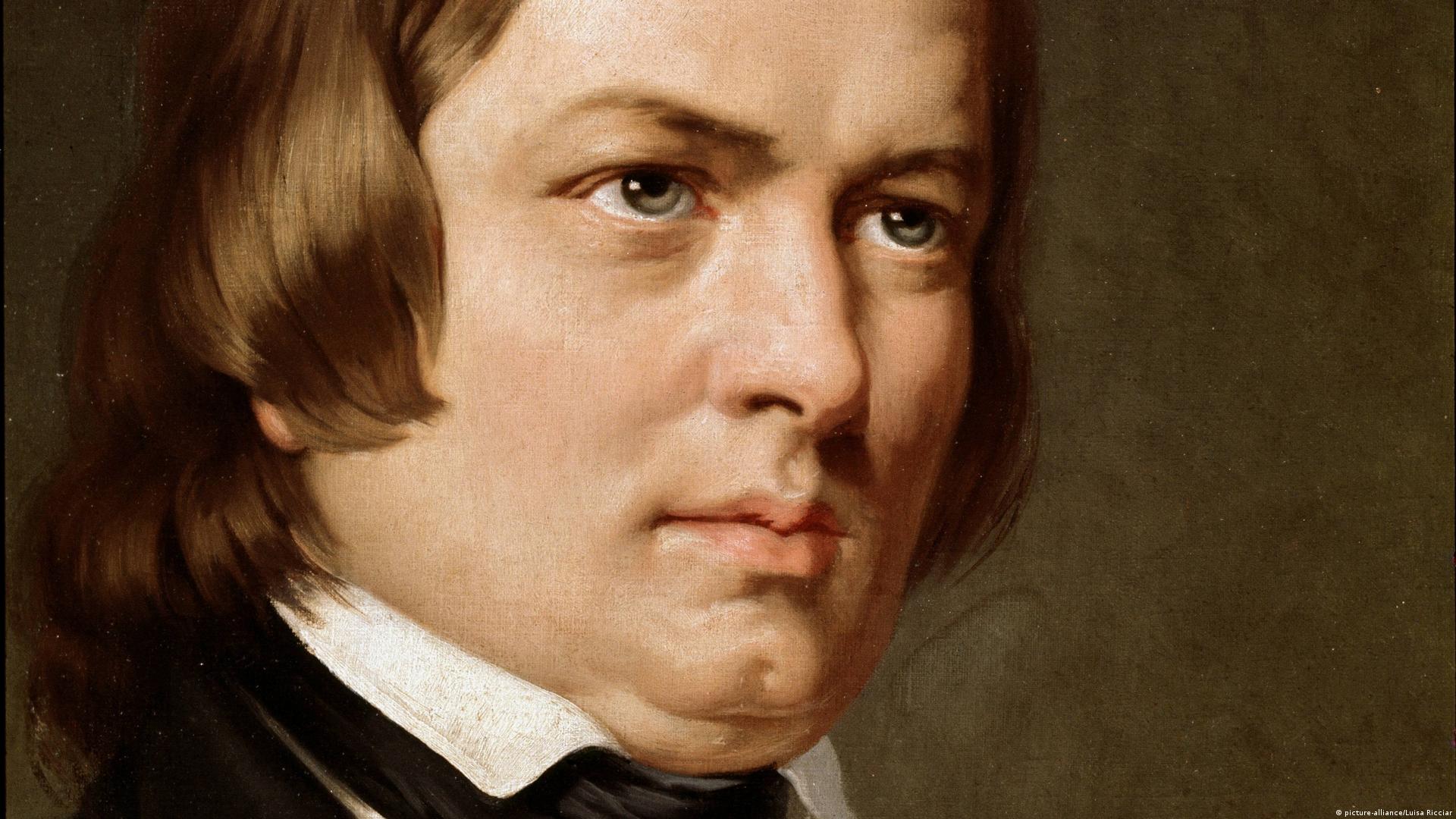
The History of Kinderszenen, Op. 15 by Robert Schumann
Among the many gems of Romantic piano music, Robert Schumann’s Kinderszenen (Scenes from Childhood), Op. 15, stands out as one of the most beloved and evocative works ever written for solo piano. Composed in 1838, this cycle of thirteen short pieces captures a nostalgic and idealized view of childhood, filtered through the poetic lens of Schumann’s musical imagination.
Inspiration and Context
The idea for Kinderszenen arose during a particularly joyful time in Schumann’s life. He was deeply in love with the young pianist Clara Wieck, who would later become his wife. At the time, their relationship faced strong opposition from Clara’s father, Friedrich Wieck, but their bond remained resilient. Schumann often composed pieces that expressed his emotional world, and Kinderszenen was no exception.
Interestingly, Schumann originally composed around thirty pieces inspired by childhood themes, but he selected just thirteen of them to form the final cycle. These miniatures are not intended for children to play, despite the title. Instead, they represent how an adult might look back on their youth—with affection, introspection, and a sense of wonder.
Schumann wrote to Clara:
“You once said to me that I sometimes seemed like a child, and I suddenly got the idea to write something like Scenes from Childhood. I selected a few from the thirty that I composed, and I titled them as you see.”
Musical and Emotional Character
Each piece in Kinderszenen is brief but full of character. Schumann gave them evocative titles—such as Von fremden Ländern und Menschen (Of Foreign Lands and Peoples), Träumerei (Dreaming), and Fast zu ernst (Almost Too Serious)—not as guides for performance, but as poetic reflections added after the music was complete.
The most famous piece of the set is undoubtedly Träumerei, a gentle and lyrical meditation that has become an emblem of Romantic piano music. It has been used in numerous films, memorials, and concerts, and continues to resonate with audiences for its profound simplicity and emotional depth.
The cycle as a whole avoids overt technical display in favor of lyrical phrasing, subtle harmonies, and a deep sense of intimacy. It is a perfect example of Schumann’s genius for conveying inner emotional worlds through music.
Legacy and Influence
Since its publication in 1838, Kinderszenen has remained one of Schumann’s most frequently performed works. It is cherished by pianists, music lovers, and educators alike for its expressive range and accessibility. While the pieces are not technically demanding for advanced players, they require great sensitivity and interpretative nuance to bring their poetic essence to life.
Kinderszenen also influenced other composers who explored the theme of childhood in music, including Claude Debussy (Children’s Corner) and Sergei Prokofiev (Music for Children). Schumann’s cycle stands as a pioneer in this genre, blending autobiography, lyricism, and fantasy into a cohesive and heartfelt musical statement.
Conclusion
Robert Schumann’s Kinderszenen, Op. 15, is much more than a collection of short piano pieces. It is a musical diary—a reflection on innocence, memory, and imagination. Through its delicate melodies and tender harmonies, Schumann invites listeners to reconnect with the timeless spirit of childhood, viewed through the lens of adult sentiment and nostalgia.
Whether heard in a concert hall or played in the quiet of a home, Kinderszenen continues to enchant and inspire, reminding us of the beauty found in the simplest moments of life.
Comments are closed