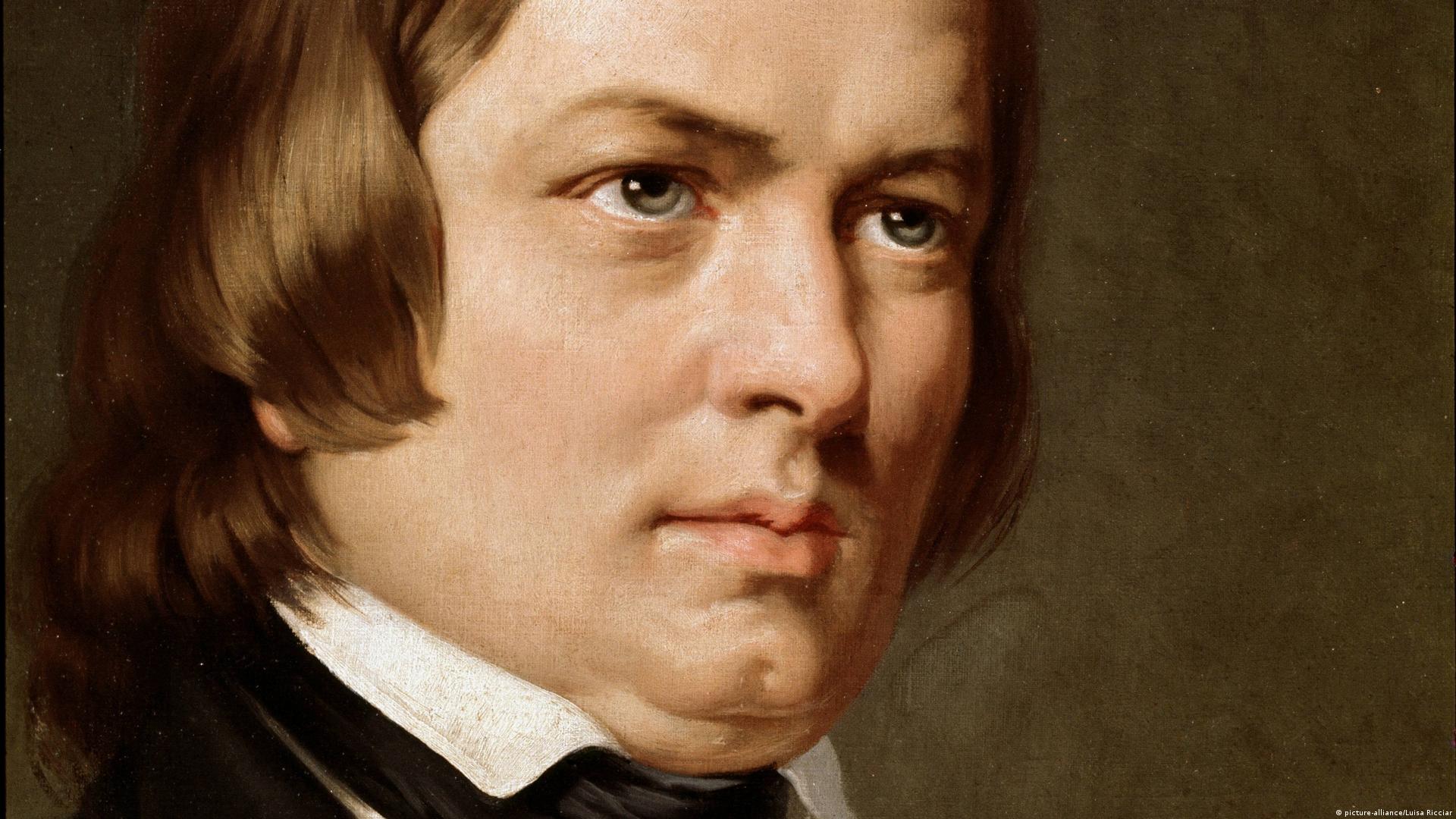
The History of Robert Schumann’s Symphony No. 1 in B-flat Major, Op. 38 – “Spring Symphony”
Robert Schumann’s Symphony No. 1 in B-flat Major, Op. 38, affectionately known as the “Spring Symphony,” holds a special place in the history of Romantic music. Composed in early 1841, it marks Schumann’s confident leap into the realm of symphonic writing, a genre he had long admired but only approached after establishing himself as a composer of piano music and songs. This radiant and optimistic work not only launched Schumann’s symphonic career but also reflected a personal and creative blossoming that paralleled the arrival of spring.
A New Chapter: Schumann’s Turn to Orchestral Music
Up until 1840, Schumann had focused primarily on piano compositions, producing a rich body of solo works that explored the expressive capabilities of the instrument. That year, often referred to as his “Year of Song,” he turned his attention to vocal music, producing over 100 lieder, many inspired by his deep love for his new wife, the pianist Clara Wieck.
Encouraged by Clara and inspired by the works of Beethoven and Schubert, Schumann resolved in 1841 to tackle the symphonic form. He wrote in his diary of his desire to “hurl my spear into the symphonic realm,” signaling his ambition to contribute to the great tradition of orchestral music.
The Birth of the “Spring Symphony”
The Symphony No. 1 was composed in a remarkable burst of inspiration between January 23 and February 1, 1841. Schumann quickly drafted the score in just four days and completed the orchestration by the end of the month. The speed and enthusiasm with which he worked reflect the freshness and vitality that pervade the piece.
The symphony was inspired by a poem by Adolf Böttger, which depicted the awakening of nature after winter. Schumann initially considered including descriptive titles for the movements—such as “Beginning of Spring,” “Evening,” and “Spring in Full Bloom”—but ultimately chose to let the music speak for itself. Nevertheless, the subtitle “Spring” has remained, capturing the joyful and expectant character of the work.
The Premiere and Reception
The world premiere took place on March 31, 1841, at the Gewandhaus in Leipzig, conducted by Felix Mendelssohn, a close friend and champion of Schumann’s music. The performance was a success and marked a turning point in Schumann’s career.
Critics and audiences alike responded positively to the symphony’s exuberant spirit and lyrical invention. The orchestration, while not as lush as later Romantic symphonies, displayed a newfound brilliance and energy that would become hallmarks of Schumann’s orchestral style.
Structure and Style
The Symphony No. 1 consists of four movements:
- Andante un poco maestoso – Allegro molto vivace
The opening begins with a noble brass fanfare that evokes the coming of spring, followed by a lively and rhythmic main section. - Larghetto
A gentle, song-like movement that reflects Schumann’s gift for melody, possibly inspired by his experience with lieder. - Scherzo: Molto vivace – Trio I – Trio II
This energetic dance movement features two contrasting trios, lending variety and richness to the central section of the symphony. - Allegro animato e grazioso
The finale brims with warmth and optimism, bringing the symphony to a joyful and life-affirming conclusion.
The work as a whole is characterized by its lyrical themes, rhythmic vitality, and optimistic mood—all evoking the freshness and rejuvenation of springtime.
Legacy
Schumann’s Symphony No. 1 established him as a serious composer of orchestral music and opened the door to future works in the genre, including his later symphonies. The “Spring Symphony” remains one of his most beloved and frequently performed orchestral pieces, admired for its heartfelt expressiveness and buoyant charm.
Comments are closed