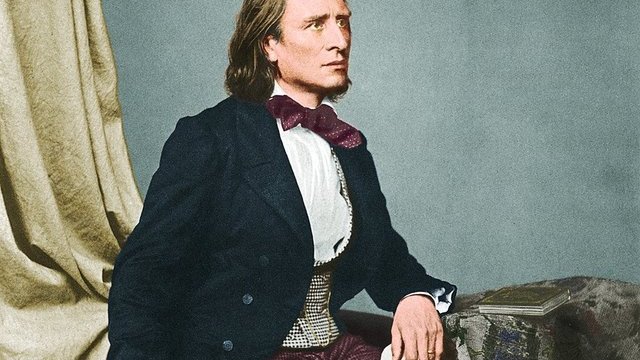
The History of “Hungarian Rhapsody No. 2” by Franz Liszt
Franz Liszt’s Hungarian Rhapsody No. 2 is one of the most electrifying and recognizable works in the Romantic piano repertoire. Composed in 1847 and published in 1851, this dramatic and virtuosic piece has captivated audiences for generations. Its history is a rich tapestry of Hungarian national identity, Romantic expressiveness, and pianistic brilliance.
Origins and Inspiration
Liszt was born in 1811 in what is now modern-day Hungary, and though he spent much of his life in Paris and Weimar, he maintained a strong connection to his Hungarian roots. In the 1840s, Liszt began exploring the traditional music of his homeland, collecting melodies and rhythms that would inspire a series of compositions known as the Hungarian Rhapsodies.
Hungarian Rhapsody No. 2 is the second of 19 pieces in this series, and arguably the most famous. Contrary to what the title might suggest, the rhapsodies are not entirely based on authentic Hungarian folk music. Instead, Liszt drew heavily from the music of Hungarian Romani (Gypsy) bands, which were popular in 19th-century Hungary and commonly mistaken for folk music. These influences are particularly evident in the piece’s ornamentation, rhythmic freedom, and passionate style.
Structure and Style
The composition follows the structure of a traditional verbunkos, a Hungarian dance form characterized by alternating slow and fast sections. Liszt structured the rhapsody in two contrasting parts:
- Lassan (Slow Section): The piece begins with a dark and brooding introduction, featuring bold chords and an expressive melody. This section sets the stage with dramatic flair and emotional intensity.
- Friska (Fast Section): The mood shifts drastically as the tempo accelerates into a dazzling display of technical virtuosity. Sparkling runs, rapid-fire octaves, and bold rhythms create a sense of fiery celebration.
This duality between sorrowful introspection and exuberant joy became a hallmark of the rhapsody, showcasing Liszt’s skill at combining national character with Romantic expressiveness.
Popularity and Cultural Impact
From its first performances, Hungarian Rhapsody No. 2 was met with enthusiasm and awe. Its theatrical qualities made it a favorite in the concert halls of 19th-century Europe, and it quickly became a staple of the piano repertoire.
The piece’s popularity only grew in the 20th century, finding its way into films, cartoons, and pop culture. Its dramatic flair and playful energy made it a perfect match for animated interpretations, most notably in Warner Bros. cartoons such as Tom and Jerry and Looney Tunes, where it was often used to accompany humorous, high-speed chases.
Arrangements and Legacy
Liszt himself arranged the rhapsody for orchestra, and other musicians followed suit, creating versions for a wide range of instruments. Among the most famous orchestral versions is the arrangement by Franz Doppler, which added new orchestral colors while preserving the spirit of the original.
Today, Hungarian Rhapsody No. 2 remains a symbol of virtuosity and national pride. It stands as a testament to Liszt’s genius as a composer who could fuse the essence of a people’s music with the drama of Romanticism.
Conclusion
Hungarian Rhapsody No. 2 is much more than a showpiece—it’s a journey through Hungarian musical identity, filtered through the imagination of one of the 19th century’s greatest composers. Whether heard in a grand concert hall or a classic cartoon, Liszt’s rhapsody continues to enthrall, entertain, and inspire new generations of listeners.
Comments are closed