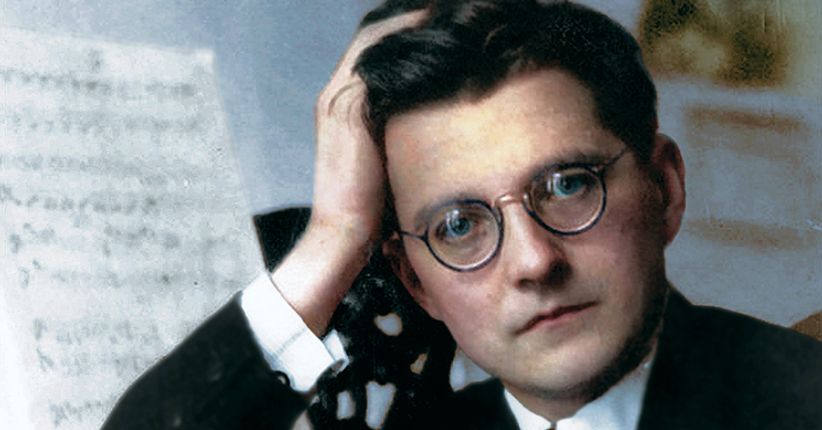
The History of The Gadfly Suite by Dmitri Shostakovich
Dmitri Shostakovich, one of the most influential composers of the 20th century, is widely celebrated for his symphonies, string quartets, and film scores. Among his lesser-known yet remarkably captivating works is The Gadfly Suite, a composition originally created as incidental music for the 1955 Soviet film The Gadfly (Ovod). This suite not only showcases Shostakovich’s gift for melody and drama but also offers insight into his role as a composer working under a complex political regime.
Origins in Soviet Cinema
The Gadfly film was an adaptation of the 1897 novel by British author Ethel Lilian Voynich. The novel, immensely popular in the Soviet Union, tells the story of Arthur Burton, a young Englishman who becomes a revolutionary in 19th-century Italy. The themes of rebellion, sacrifice, and resistance to tyranny resonated strongly with Soviet ideals, making it an ideal candidate for a state-supported film.
Shostakovich was commissioned to write the score for the film in 1955. At the time, he was already a prominent figure in Soviet music, though his career had been marked by periods of intense scrutiny and censorship. Nevertheless, film music provided a relatively safe outlet for his creativity, allowing him to experiment with various styles and moods within the boundaries of state expectations.
The Creation of the Suite
While the complete film score contains over 40 separate pieces, Shostakovich (or more likely, his student Levon Atovmyan) later selected and arranged a number of highlights into what is now known as The Gadfly Suite. The suite consists of twelve movements, each capturing a different emotional or narrative tone from the film.
Among the most famous of these is the “Romance”, a lush and lyrical piece originally composed for violin and orchestra. It has since become one of Shostakovich’s most beloved and frequently performed melodies, often featured in concerts and media, and even mistaken by some as a love theme from a classic Hollywood film.
The movements range from light-hearted dances and pastoral scenes to somber, patriotic hymns, showcasing Shostakovich’s remarkable versatility. Despite being derived from a film score, the suite stands alone as a compelling orchestral work.
Cultural Significance
The Gadfly Suite holds a unique place in Shostakovich’s body of work. It reflects his ability to work within the constraints of state-sponsored art while still creating music of great emotional depth and artistic merit. The suite, though less known than his symphonies, gained popularity beyond the Soviet Union, especially in Western concert halls during the late 20th century.
Interestingly, the original novel The Gadfly was largely forgotten in the English-speaking world by the mid-20th century but remained a cultural phenomenon in the USSR. Shostakovich’s music played a key role in keeping the story alive for Soviet audiences, reinforcing themes of heroism and revolution.
Legacy
Today, The Gadfly Suite is often performed as a standalone concert work. Its emotional richness, melodic charm, and cinematic flair continue to captivate audiences. For those unfamiliar with Shostakovich’s broader oeuvre, it serves as an accessible and enchanting introduction to his music.
In essence, The Gadfly Suite represents a fascinating intersection of film, politics, and music—an example of how a composer navigated artistic expression under political pressure, yet still managed to produce timeless and moving art.
Comments are closed