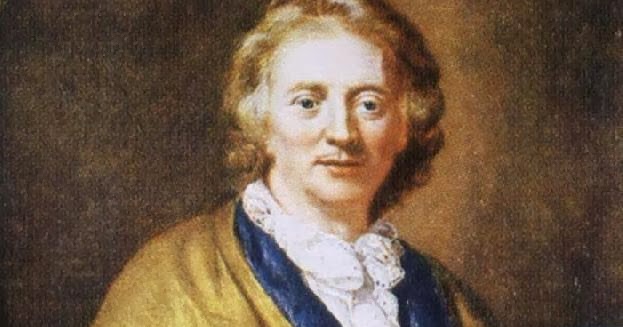
The Life and Legacy of François Couperin
Introduction
François Couperin (1668–1733), often referred to as “Couperin le Grand” (Couperin the Great), stands as one of the most significant figures in French Baroque music. Born into a distinguished musical dynasty, his contributions as a composer, organist, and harpsichordist profoundly shaped the musical landscape of his era. His work is celebrated for its elegance, intricate ornamentation, and a unique blend of French and Italian styles, which he famously described as the “perfection of music.” This biography delves into the life of this remarkable musician, exploring his childhood, youth, adulthood, major compositions, and lasting influence on classical music.
Childhood
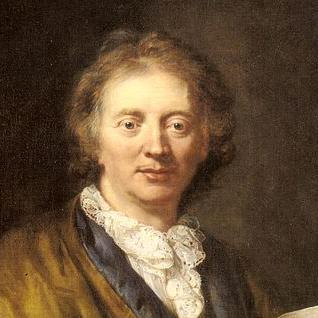
François Couperin was born on November 10, 1668, in Paris, France, into a family deeply entrenched in the musical traditions of the time. His father, Charles Couperin (1638-1679), was the esteemed organist at the Church of Saint-Gervais in Paris, a position that had been held by his uncle, Louis Couperin, before him. From an early age, François was immersed in this rich musical environment, and it is widely believed that he received his initial musical instruction from his father.
Tragedy struck the family when François was just ten years old, with the premature death of his father in 1679. However, the Couperin family’s prominence in the musical world ensured a unique arrangement for the young François. The wardens of the Church of Saint-Gervais, recognizing the family’s legacy and perhaps François’s nascent talent, reserved his father’s organist position for him until he reached the age of eighteen. This practice, known as survivance, was common at the time, allowing for the continuation of a family’s influence within an institution.
During this interim period, Michel Richard Delalande was appointed as the organist, with the understanding that François would eventually take over the role. It is highly probable that François began to assume some of these duties even before his eighteenth birthday, as his stipend from the church gradually increased, indicating his growing involvement and proficiency. Furthermore, his musical education was significantly advanced under the tutelage of Jacques-Denis Thomelin, a respected organist who served both at the royal court and at the church of Saint-Jacques-de-la-Boucherie. Thomelin reportedly treated the young Couperin with great care, acting as a surrogate father figure and nurturing his exceptional talent. By 1685, the church council formally recognized his abilities by providing him a salary, even without a formal contract, a testament to his early promise.
Youth
François Couperin’s youth was marked by both personal challenges and significant professional advancements. At the age of twenty-one, in 1689, he experienced another personal loss with the death of his mother, Marie Guérin. Despite this, his life and burgeoning career were largely characterized by good fortune and continued success. In the same year, he married Marie-Anne Ansault, who came from a prosperous family, further solidifying his personal life.
The early 1690s proved to be a pivotal period for Couperin’s career. In 1690, his collection of organ masses, Pièces d’orgue, was published. This work garnered praise from prominent musicians, including Michel Richard Delalande, who may have even assisted with its publication. This early publication showcased Couperin’s talent as a composer and established his presence in the musical world beyond his organist duties.
A major turning point arrived in 1693 when Couperin succeeded his former teacher, Jacques-Denis Thomelin, at the court of King Louis XIV. This prestigious appointment brought him into direct contact with some of the most influential composers and aristocratic figures of the era. It was during this time that his earliest chamber music compositions began to emerge, reflecting his expanding musical interests and capabilities. Couperin skillfully managed his responsibilities at the royal court alongside his ongoing duties as organist at the Church of Saint-Gervais, demonstrating his dedication and capacity for prolific work.
Adulthood
Couperin’s adulthood was defined by his esteemed positions within the French court and his prolific output as a composer and teacher. In 1694, he was appointed harpsichord teacher to the royal children, a testament to his growing reputation and skill. This role further solidified his connection to the highest echelons of French society and provided him with a stable income and prestigious platform.
His career at court continued to flourish, culminating in 1717 when he was granted the survivance (the right to succeed) Jean-Henri d’Anglebert as court harpsichordist, one of the most coveted musical appointments in France. This position, ordinaire de la musique de la chambre du roi pour le clavecin, placed him at the pinnacle of the royal musical establishment. Despite his significant involvement in court activities, Couperin maintained his organist duties at Saint-Gervais for many years, showcasing his remarkable dedication and capacity for managing multiple demanding roles.
Throughout the 1720s, Couperin’s health began to decline, gradually impacting his ability to fulfill all his responsibilities. By 1723, he found it necessary to bestow the survivance at Saint-Gervais upon his cousin, Nicolas Couperin. Later, in 1730, his daughter, Marguerite-Antoinette, took over his prestigious role as court harpsichordist, a clear indication of his failing health and the continuation of the Couperin musical legacy.
Despite his declining health, Couperin remained active in publishing his works. His final major publications included Pièces de violes (1728) and the fourth and final volume of his harpsichord pieces (1730). These later works continued to demonstrate his mastery and innovative approach to composition, even as his physical capabilities waned.
Major Compositions
François Couperin’s compositional output is primarily celebrated for his extensive and innovative works for the harpsichord, though he also made significant contributions to chamber music and sacred vocal music. His unique style, often characterized by its intricate ornamentation and expressive depth, played a crucial role in shaping the French Baroque musical aesthetic.
Harpsichord Music: Couperin is best known for his four books of harpsichord pieces, published between 1713 and 1730. These collections, titled Pièces de clavecin, are organized into ordres (suites) rather than traditional suites, and comprise over 200 individual pieces. The movements within these ordres are notable for their highly ornamented melodies, complex accompaniments, and frequent dialogues between treble and bass lines. Many of these pieces are programmatic, bearing evocative titles that suggest specific characters, scenes, or moods, such as “Les Barricades Mystérieuses” or “Le Tic-Toc-Choc ou les Maillotins”. His influential treatise, L’art de toucher le clavecin (The Art of Playing the Harpsichord), published in 1716, provided invaluable insights into his performance practices, including detailed instructions on fingering, ornamentation, and touch, and remains a cornerstone for understanding Baroque keyboard performance.
Chamber Music: Beyond his harpsichord works, Couperin composed notable chamber music that further showcased his versatility. This includes a series of trio sonatas, typically scored for harpsichord and two violins. These works often demonstrate a blend of French and Italian styles, a fusion that Couperin actively pursued and perfected. His Concerts royaux (Royal Concerts), composed around 1714–15 for King Louis XIV’s Sunday evening entertainments, are another significant contribution to the chamber repertoire. These pieces, originally for various instrumental combinations, exemplify his elegant and refined approach to ensemble writing.
Sacred Vocal Music: Couperin also composed a substantial body of sacred vocal music, including motets and other church compositions. His most profound and celebrated liturgical work is Leçons de ténèbres (Lessons of Darkness), composed around 1715. This work, written for Holy Week services, combines the linear subtlety of the French vocal style with the pathos of Italian harmony, creating a deeply mystical and moving experience that was unparalleled in the music of his time.
Couperin’s music was highly regarded even by his contemporaries, with Johann Sebastian Bach reportedly studying and copying his works. His ability to synthesize diverse musical traditions and imbue his compositions with profound emotional and descriptive qualities cemented his legacy as a master of the Baroque era.
Death
François Couperin’s health, which had been in decline throughout the 1720s, ultimately led to his death on September 11, 1733, in Paris, at the age of 64. His passing marked the end of an era for French Baroque music and for the Couperin family’s direct influence at the royal court.
In the years leading up to his death, Couperin had gradually relinquished his official duties due to his deteriorating condition. As early as 1723, he had passed on his organist position at Saint-Gervais to his cousin, Nicolas Couperin. By 1730, his daughter, Marguerite-Antoinette, had taken over his prestigious role as court harpsichordist, ensuring the continuation of the family’s musical legacy within the royal household.
Despite his physical ailments, Couperin remained active as a composer and publisher until shortly before his death, with his final works appearing in 1728 and 1730. He was survived by at least three of his children: Marguerite-Antoinette, who continued her role as court harpsichordist; Marie-Madeleine (also known as Marie-Cécile), who became a nun and may have served as an organist at Maubuisson Abbey; and François-Laurent, who, according to contemporary accounts, left the family after his father’s death.
Couperin’s death was a significant loss to the musical world, but his monumental legacy, particularly his harpsichord works and his theoretical treatise, ensured his enduring influence on subsequent generations of composers and musicians.
Conclusion
François Couperin, known as “Couperin le Grand,” was a pivotal figure in the history of French Baroque music. His life, spanning from 1668 to 1733, was characterized by a deep connection to a renowned musical family, early recognition of his prodigious talent, and a distinguished career serving the French royal court. From his childhood musical education under his father and Jacques-Denis Thomelin to his appointments as royal organist and harpsichordist, Couperin consistently demonstrated a mastery that earned him widespread acclaim.
His major compositions, particularly the four books of Pièces de clavecin, revolutionized harpsichord music with their intricate ornamentation, programmatic titles, and expressive depth. Beyond the harpsichord, his contributions to chamber music, including the Concerts royaux, and sacred vocal works like the Leçons de ténèbres, showcased his versatility and innovative spirit. Couperin’s unique ability to synthesize French and Italian musical styles, which he termed the “perfection of music,” left an indelible mark on the development of Western classical music.
Despite declining health in his later years, Couperin remained dedicated to his art, continuing to compose and publish until shortly before his death. His legacy extends beyond his compositions; his treatise, L’art de toucher le clavecin, remains an essential guide for understanding Baroque performance practices. François Couperin’s influence resonated through subsequent generations of composers, including Johann Sebastian Bach, and his works continue to be celebrated for their beauty, sophistication, and profound emotional resonance, solidifying his place as one of the true giants of the Baroque era.
Comments are closed