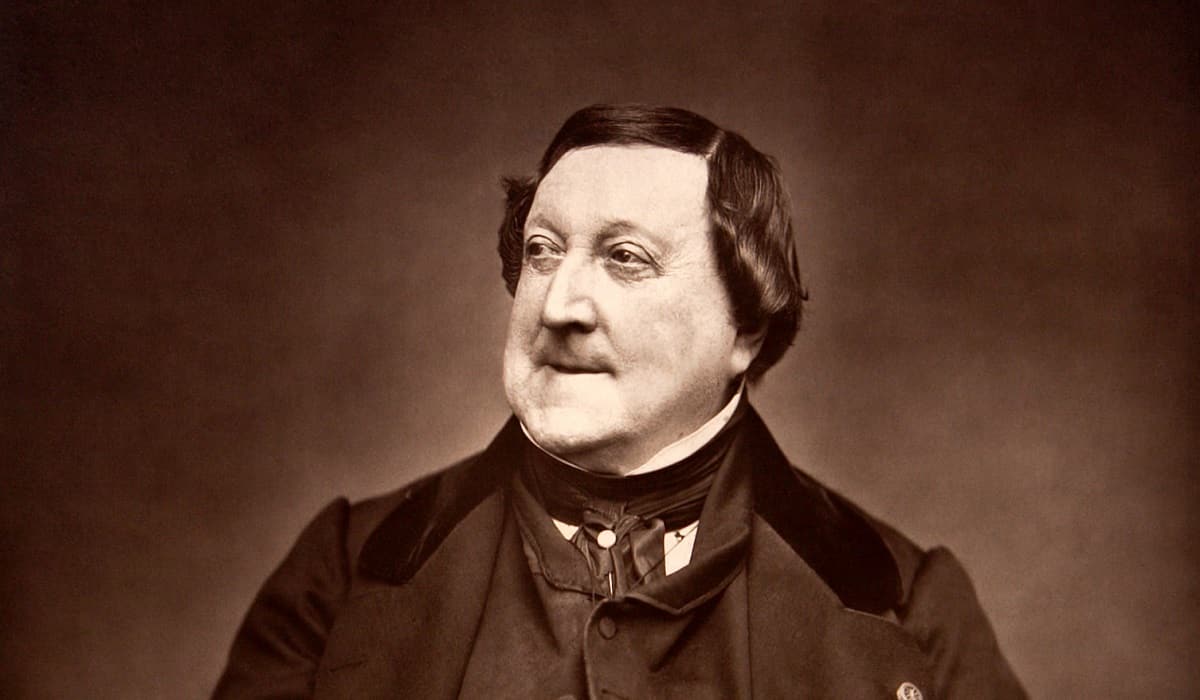
Gioachino Rossini – A Complete Biography
Introduction
Gioachino Rossini (1792–1868) was the most celebrated Italian opera composer of his generation and one of the central architects of 19th-century bel canto. In a dazzling sprint of less than two decades, he wrote 39 operas—comic and serious—that reshaped theater music from Venice and Naples to Paris and London. Then, at just 37, he stopped writing for the stage, spending the rest of his life in Paris, composing sacred works and salon pieces, hosting artists, and becoming a legend nicknamed “Monsieur Crescendo.”
Childhood
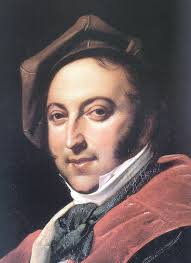
Rossini was born on February 29, 1792, in Pesaro, to musician parents: his father Giuseppe (“Vivazza”) played horn and trumpet in local bands and theaters; his mother, Anna Guidarini, was a singer. The family moved frequently for work, taking young Gioachino along. Early instruction on spinet and composition came from teachers in Bologna and Lugo, and in 1806 he enrolled at Bologna’s Liceo Musicale, where he studied cello and counterpoint with Padre Stanislao Mattei. Even before leaving school, he had produced sacred music, chamber pieces, and the first draft of an opera, Demetrio e Polibio (performed in 1812).
A prodigious start: at age twelve Rossini wrote six string sonatas—manuscripts later rediscovered in the Library of Congress after World War II. The leap-day baby would forever be coy about his “official” birthdays, while his youthful output hinted at the speed and facility that would define his career.
Youth
Rossini’s professional debut arrived on November 3, 1810, with the one-act comedy La cambiale di matrimonio in Venice. A burst of premieres followed, including five operas in 1812 alone: L’inganno felice, La scala di seta, L’occasione fa il ladro, Ciro in Babilonia (his first serious opera), and La pietra del paragone. Two 1813 hits—Tancredi and L’italiana in Algeri—made him an international name.
In 1815 the Naples impresario Domenico Barbaja engaged Rossini at the Royal Theaters. There Rossini expanded the scale and ambition of Italian opera, writing works such as Elisabetta, regina d’Inghilterra (1815), Otello (1816), Armida (1817), Mosè in Egitto (1818), and La donna del lago (1819), while also supplying other cities with Il barbiere di Siviglia (Rome, 1816), La Cenerentola (Rome, 1817), and La gazza ladra (Milan, 1817). He married the celebrated soprano Isabella Colbran in 1822.
Adulthood
Semiramide (Venice, 1823) crowned Rossini’s Italian period. After a lucrative sojourn in London, he settled in Paris (late 1823/1824) as director of the Théâtre-Italien and soon became a star of the French capital. There he reworked Italian successes into grander French forms—Le Siège de Corinthe (1826) from Maometto II, Moïse et Pharaon (1827) from Mosè in Egitto—and produced two new French operas, the sparkling Le Comte Ory (1828) and the monumental Guillaume Tell (1829). Tell was a triumph, yet it was his last opera. Reasons for his theatrical silence remain debated (ill health, changing tastes, contract politics, temperament), but the decision was definitive.
Rossini did not stop composing. He created sacred and concert works, notably the Stabat Mater (initial portion 1832; completed version premiered 1842) and the Petite messe solennelle (1863; orchestrated 1867). After years back in Italy, he returned to Paris in 1855, where his Saturday gatherings and dry wit became famous. Late-life salon collections—the Soirées musicales (1830–35) and Péchés de vieillesse (“Sins of Old Age,” 1857–68)—mix grace, parody, and melodic genius, sealing his reputation as a consummate craftsman beyond the opera house.
Major Compositions (selected)
- Il barbiere di Siviglia (1816): The definitive opera buffa, prized for its effervescence, ensemble writing, and the iconic overture.
- La Cenerentola (1817): A humane “Cinderella” without magic, celebrated for dazzling coloratura and ensemble finales.
- La gazza ladra (1817): A semiseria famous for its martial overture and dramatic pacing.
- Mosè in Egitto (1818) / Moïse et Pharaon (1827): Italian original transformed into a French grand opera with expanded chorus and orchestra.
- La donna del lago (1819): Among the earliest major operas inspired by Walter Scott, pushing bel canto toward romantic color.
- Semiramide (1823): A summit of Italian opera seria, with florid vocal writing and monumental architecture.
- Le Comte Ory (1828): A French comedy spun from earlier music, showcasing Rossini’s deft reimagining for Paris.
- Guillaume Tell (1829): A cornerstone of French grand opera; its overture and choral writing became cultural touchstones.
- Stabat Mater (1832/1841–42) and Petite messe solennelle (1863): Late sacred masterworks that marry theatrical instinct to devotional expression.
Death
In his final years Rossini lived in the Paris suburb of Passy with his second wife, Olympe Pélissier (married 1846). He died there on November 13, 1868, following complications after surgery for colorectal cancer. His funeral in Paris was widely attended; he was first buried at Père Lachaise and later reinterred in 1887 at the Basilica of Santa Croce in Florence.
Conclusion
Rossini’s imprint on 19th-century music is indelible. He perfected Italian comic opera and revitalized opera seria with expanded choruses, bolder orchestration, and a new dramatic sweep that influenced French grand opera and composers across Europe. Beyond the stage, his sacred works and salon pieces confirm a melodic imagination of inexhaustible charm. Today, The Barber of Seville, La Cenerentola, Semiramide, and William Tell anchor the repertory and keep “Monsieur Crescendo” very much alive.
Comments are closed