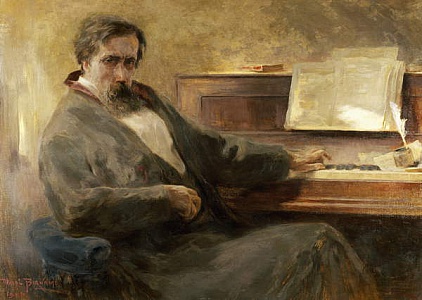
Amilcare Ponchielli – A Complete Biography
Introduction
Amilcare Ponchielli stands as one of the most significant Italian opera composers of the late nineteenth century, best remembered for his masterful command of melody, dramatic instinct, and orchestral color. Though his fame today rests chiefly on La Gioconda, his output extends far beyond that single opera. Ponchielli lived during a transitional moment in Italian music, bridging the bel canto tradition and the emerging verismo movement. His works exhibit a refined sense of theatrical timing and a gift for crafting memorable, emotionally compelling musical ideas. Despite periods of hardship and artistic struggle, Ponchielli left a lasting mark on the operatic repertoire and contributed greatly to the evolution of Italian musical culture.
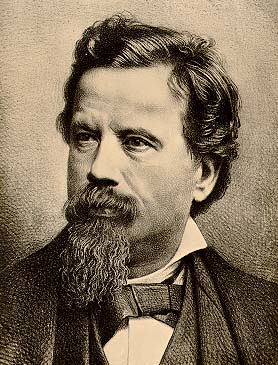
Childhood
Amilcare Ponchielli was born on August 31, 1834, in the small town of Paderno Fasolaro, located in the province of Cremona in northern Italy. His family came from modest circumstances, with his father working as a local government clerk. Despite limited means, the Ponchielli household valued education and music. Recognizing the boy’s early musical talents, his parents encouraged his studies and helped him develop the foundations that would fuel his future achievements.
From a very young age, Ponchielli demonstrated an extraordinary ear and curiosity for musical instruments. Local musicians and church organists noticed his aptitude, allowing him to observe rehearsals, play rudimentary pieces, and slowly acquire technical skills unusual for a child of his age. This supportive local environment—characterized by village bands, church choirs, and popular musical traditions—formed the bedrock of his artistic sensibilities.
Youth
Ponchielli’s gifts were evident enough that, at the age of nine, he was admitted to the prestigious Milan Conservatory, a rare honor for a provincial child with limited formal experience. During his studies, he was immersed in rigorous training in harmony, counterpoint, composition, and instrumental performance. He was exposed to the leading musical trends of the day, absorbing influences ranging from the bel canto operas of Donizetti and Bellini to the emerging works of Verdi.
Life at the conservatory was demanding, but Ponchielli excelled. He completed his studies in 1854, graduating with strong recommendations from his teachers. Despite his academic success, however, he found it difficult to secure stable employment as a composer. Italy’s operatic world was notoriously competitive, and opportunities were scarce for newcomers. To support himself, Ponchielli undertook various musical positions, including teaching, performing, arranging, and working with civic bands.
During these years, he composed several early operas. Though some of them were performed, many did not achieve significant success. Still, these experiences helped him refine his theatrical instincts and sharpen his compositional craft.
Adulthood
Ponchielli finally achieved his breakthrough in 1872 with a revised version of his opera I Lituani, which enjoyed a successful run in Milan. This triumph signaled his entrance into the upper ranks of Italian opera composers and opened the door to more prestigious opportunities.
His greatest success came shortly thereafter, in 1876, with La Gioconda. Premiered at La Scala, the opera quickly gained acclaim for its dramatic intensity, grand scale, and richly orchestrated music. Its mixture of lyrical beauty, compelling characters, and theatrical power made it a favorite with audiences. Even today, La Gioconda remains one of the major works of the Italian repertoire.
Following his success, Ponchielli secured an appointment as a professor of composition at the Milan Conservatory, where he influenced a new generation of composers—including the young Giacomo Puccini. His career also expanded beyond opera: he wrote band music, chamber works, and sacred pieces, and he took on conducting engagements that enhanced his national reputation.
Despite his professional achievements, Ponchielli’s health began to decline during the 1880s. Nevertheless, he continued working, mentoring students, and composing new works, even as opera tastes gradually shifted toward the emerging verismo style championed by younger composers.
Major Compositions
While Ponchielli’s catalog is extensive, several works stand out as milestones in his career and significant contributions to the history of Italian music:
1. La Gioconda (1876)
His most celebrated opera, known worldwide for its famous “Dance of the Hours,” exquisite arias, and powerful dramatic scenes. It represents Ponchielli at the height of his creative abilities.
2. I Lituani (1874, revised from earlier versions)
An opera that earned him wide recognition and paved the way for his later successes. Its dramatic scope and melodic richness reflect his growing artistic maturity.
3. Marion Delorme (1885)
Completed late in his career, this opera reveals Ponchielli’s continued ability to blend emotional depth with theatrical momentum.
4. Sacred and Instrumental Works
Ponchielli wrote numerous marches, band arrangements, organ works, and sacred compositions, many of which highlight his command of orchestral textures and his affinity for expressive melodic writing. His band music, in particular, remains admired for its craftsmanship and evocative qualities.
Death
Amilcare Ponchielli died on January 16, 1886, in Milan at the age of fifty-one. His passing came as a shock to the Italian musical world, which recognized him as one of the leading operatic voices of his generation. He was laid to rest in the Cimitero Monumentale in Milan, where his grave continues to attract admirers of Italian opera and students of nineteenth-century music history.
Conclusion
Amilcare Ponchielli occupies a distinctive place in the evolution of Italian opera. Although his fame is often linked primarily to La Gioconda, his broader output reveals a composer of great skill, lyricism, and dramatic sensitivity. He belonged to a generation caught between the waning bel canto tradition and the rise of bold new musical voices. Despite this transitional position, he forged a style that was uniquely his own—marked by expressive melodies, innovative orchestral writing, and a keen understanding of theatrical pacing.
Ponchielli’s impact also extended through his teaching, shaping future operatic innovators and contributing to the cultural fabric of Italian music. Today, his works continue to inspire performers, scholars, and audiences alike, preserving his legacy as a significant figure in the history of classical music.
Comments are closed