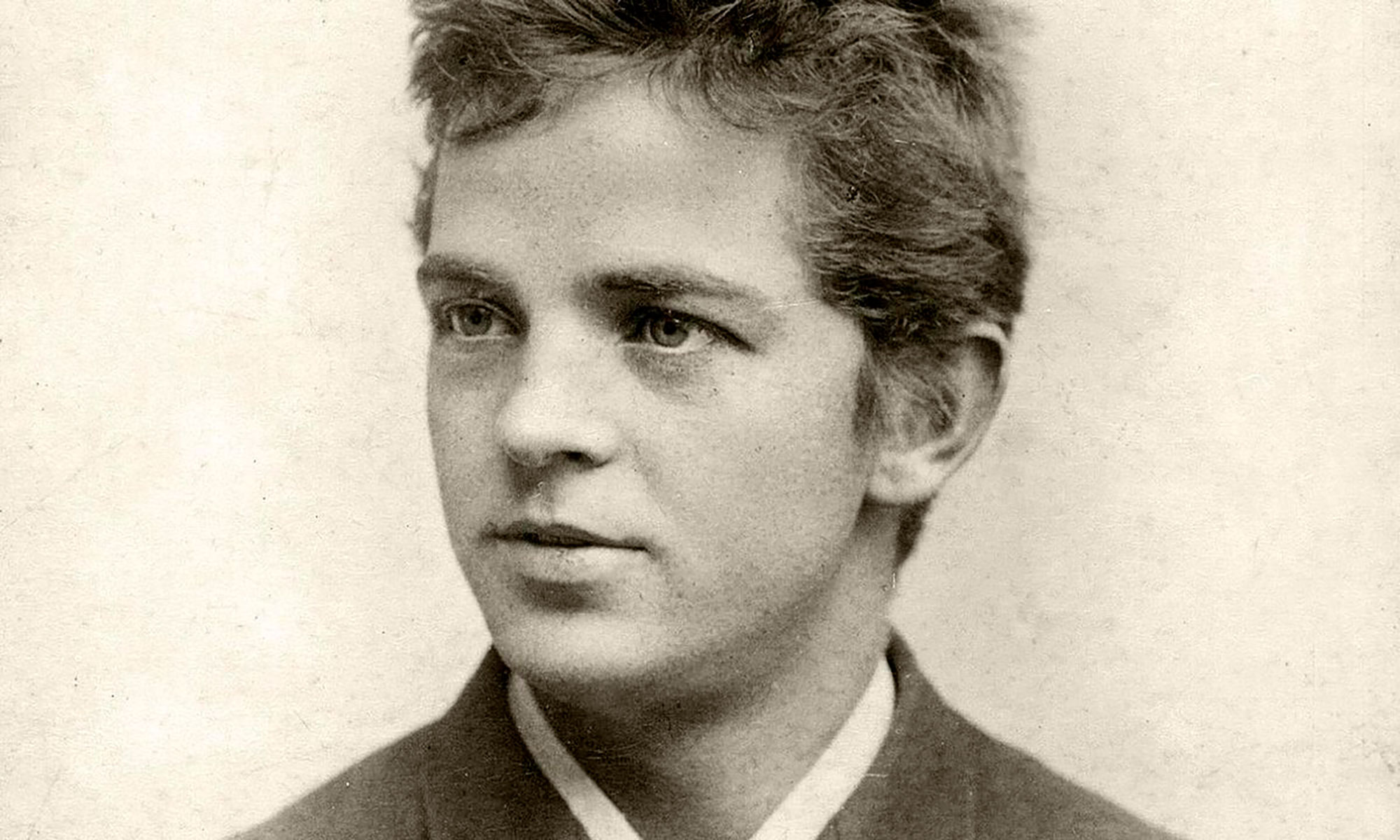
Carl Nielsen – A Complete Biography
Introduction
Carl August Nielsen (June 9, 1865 – October 3, 1931) was Denmark’s most significant classical composer of the late nineteenth and early twentieth centuries and a central figure in Scandinavian music. His output includes six symphonies, concertos, chamber music, operas, choral works, and a vast body of songs. Nielsen developed a highly individual musical language marked by strong rhythmic drive, clear textures, and a distinctive approach to tonality that emphasized conflict, growth, and resolution. Although long celebrated primarily in Denmark, his reputation expanded internationally during the twentieth century and continues to grow today.
Childhood
Carl Nielsen was born in the rural village of Nørre Lyndelse on the island of Funen, Denmark. He came from a poor but musically active family; his father was a house painter who also played violin and cornet at local dances, while his mother sang traditional folk songs. Music was an everyday presence in the Nielsen household, and Carl learned to play the violin and other instruments at an early age. Village life, folk melodies, and amateur music-making shaped his earliest musical impressions and later informed the directness and vitality that characterize much of his mature style.
Youth
As a teenager, Nielsen joined the military band in Odense, where he played cornet and violin. This experience gave him practical training in ensemble performance and orchestration, while also exposing him to a broad range of repertoire. In 1883 he moved to Copenhagen to pursue a professional career in music and enrolled at the Royal Danish Conservatory. There he studied violin and music theory, while supporting himself through performance work. During this period he began composing seriously, producing chamber works and orchestral pieces that already showed an independent voice and a resistance to purely academic convention.
Adulthood
After completing his studies, Nielsen joined the Royal Danish Orchestra as a violinist, a position that provided financial stability and daily contact with operatic and symphonic repertoire. In 1891 he married the sculptor Anne Marie Brodersen, whose international career often took her abroad. Their marriage was both artistically stimulating and personally challenging, marked by periods of separation and reconciliation.
As his compositional reputation grew, Nielsen gradually shifted from performer to composer and conductor. He wrote operas, incidental music, orchestral works, and chamber music, while also teaching and conducting in Denmark and abroad. By the early twentieth century he was recognized as a leading cultural figure in Danish musical life. Despite this status, Nielsen maintained a fiercely independent artistic outlook, often challenging prevailing aesthetic trends and pursuing his own musical logic.
Major Compositions
Nielsen’s six symphonies form the backbone of his orchestral legacy. The early symphonies establish his command of classical form, while later works explore conflict, contrast, and organic development. The Fourth Symphony, often associated with the idea of life’s indestructible force, and the Fifth Symphony, with its dramatic tension and unconventional use of percussion, are especially central to his international reputation. His Sixth Symphony presents a more ironic and concise style, reflecting his late-period economy of expression.
His concertos for violin, flute, and clarinet are among the most important works in the genre from the early twentieth century, notable for their conversational interplay between soloist and orchestra. Chamber music such as the Wind Quintet and the string quartets reveals a balance of lyricism, wit, and structural clarity. In addition, Nielsen composed operas, most famously Maskarade, as well as hundreds of songs that remain deeply embedded in Danish cultural life.
Death
In his later years Nielsen continued composing and participating in Denmark’s musical institutions, although declining health increasingly limited his activity. He died on October 3, 1931, in Copenhagen after suffering heart-related illness. His funeral was a national event, reflecting his stature as Denmark’s foremost composer. He was buried in Vestre Cemetery in Copenhagen, where his legacy has since been honored through performances, monuments, and scholarly editions of his works.
Conclusion
Carl Nielsen stands as one of the most original voices in twentieth-century classical music. His works combine national identity with universal themes, drawing on folk traditions while engaging with modern musical thought. Through his symphonies, concertos, chamber music, and songs, Nielsen articulated a vision of music as a living, dynamic force shaped by struggle, energy, and renewal. Today his music is performed worldwide, and his influence continues to resonate with performers, scholars, and audiences seeking a composer who bridged tradition and modernity with uncompromising individuality.
Comments are closed