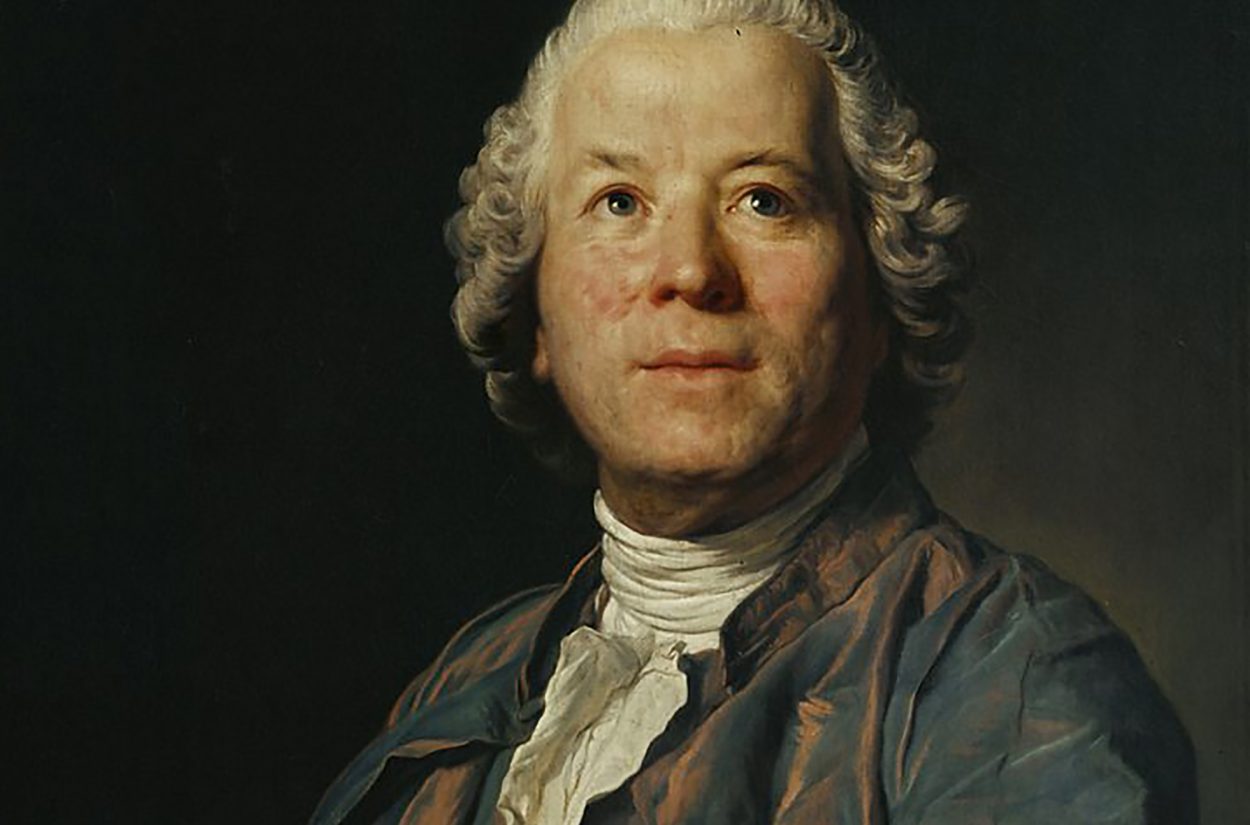
Christoph Willibald Gluck – A Complete Biography
Introduction
Christoph Willibald Gluck (July 2, 1714–November 15, 1787) stands among the most consequential figures in 18th-century music—not because he invented opera, but because he fundamentally reshaped its artistic purpose. At a time when Italian opera often prioritized virtuosic display and rigid convention, Gluck sought a more unified and expressive dramatic form. His vision emphasized clarity, emotional truth, and the close integration of music, poetry, and staging. Through this approach, he became a central figure in the transition toward a more dramatically coherent operatic tradition that would strongly influence later composers such as Mozart and Berlioz.
Gluck’s career unfolded across several major European cultural centers, including Vienna, Paris, and various Italian cities. His ability to adapt to different artistic environments while maintaining a consistent aesthetic vision allowed him to exert lasting influence across national traditions. More than a successful composer, he became a reformer whose ideas reshaped the direction of opera itself.
Childhood
Christoph Willibald Gluck was born in the small Bavarian village of Erasbach, in a region then part of the Holy Roman Empire. His family was not aristocratic; his father worked in forestry for noble estates, a position that required frequent relocation. As a result, Gluck spent his early years moving between different regions, including areas of Bohemia, which exposed him to diverse musical traditions at an early age.
Although precise details of his childhood musical education are limited, it is clear that he encountered both folk and sacred music through local churches and community life. These early experiences likely contributed to his lifelong sensitivity to melody and expressive clarity. Despite later legends suggesting a dramatic struggle against parental opposition, the available evidence suggests a more gradual and practical path toward a musical career shaped by opportunity rather than rebellion.
Youth
During his youth, Gluck pursued formal musical training while absorbing the stylistic norms of central European musical life. Prague appears to have been a particularly important center for his early development, offering exposure to Italian opera and instrumental performance traditions. Like many aspiring composers of his generation, he sought opportunities beyond his place of birth, understanding that professional success depended on access to major cultural centers.
As he matured, Gluck became increasingly familiar with the conventions of Italian opera seria. He learned to write for star singers, manage theatrical pacing, and structure arias and recitatives according to established expectations. These formative experiences were crucial: before he could reform opera, he needed to master its existing language. His early career reflects a composer absorbing tradition from the inside rather than rejecting it from the outset.
Adulthood
Establishment in the Operatic World
By the middle of the 18th century, Gluck had established himself as a capable and respected composer within the European operatic network. He worked in several important cities and eventually settled for extended periods in Vienna, where the imperial court offered stability and prestige. His growing reputation culminated in formal recognition and professional security, allowing him greater artistic freedom.
This period marked a turning point in which Gluck began to question the prevailing operatic conventions. He became increasingly dissatisfied with works that subordinated drama to vocal ornamentation and mechanical formulas. Instead, he sought a more direct relationship between music and dramatic meaning.
The Emergence of Reform
Gluck’s reformist ideas took concrete form through collaboration with like-minded artists, most notably the librettist Ranieri de’ Calzabigi. Together, they pursued an operatic style that emphasized narrative coherence, emotional truth, and musical simplicity. In their works, arias were integrated more naturally into the drama, recitative became more expressive, and the orchestra assumed a more active dramatic role.
This approach aligned with broader Enlightenment ideals that favored clarity, reason, and expressive sincerity. Gluck did not reject tradition outright; rather, he reshaped it to serve dramatic purpose more effectively. His reforms challenged prevailing tastes and provoked debate, but they also attracted admiration from audiences seeking a more unified theatrical experience.
Paris and International Recognition
Gluck’s later career brought him to Paris, where opera was deeply embedded in cultural and political life. There he adapted his style to French tastes, incorporating larger choral forces, expanded ballet sequences, and heightened theatrical spectacle. His Parisian works sparked intense public debate, dividing audiences but firmly establishing his international stature.
Despite resistance from defenders of older traditions, Gluck’s Paris operas demonstrated that reform could coexist with grandeur. His ability to balance expressive restraint with dramatic intensity allowed him to succeed in one of Europe’s most demanding artistic environments.
Major Compositions
Among Gluck’s many works, several stand out as milestones in the history of opera.
Orfeo ed Euridice represents a turning point in operatic style. By stripping away excessive ornamentation and focusing on emotional clarity, the work established a new model for musical storytelling. Its expressive choruses, integrated dances, and restrained vocal writing embodied Gluck’s reform ideals.
Alceste further developed these principles, presenting a drama of moral sacrifice and emotional intensity. The opera’s seriousness and unity exemplify Gluck’s belief that music should serve the drama rather than distract from it.
Paride ed Elena continued this approach, emphasizing psychological nuance and lyrical balance rather than spectacle. Though less immediately dramatic, it reinforced Gluck’s commitment to expressive coherence.
In France, Iphigénie en Aulide and Iphigénie en Tauride represent the culmination of his mature style. These works combine dramatic power, structural clarity, and emotional depth, and they remain among the most admired operas of the 18th century.
Beyond opera, Gluck also contributed to ballet and theatrical music, reinforcing his belief that movement, gesture, and sound should function as a unified expressive system.
Death
In his later years, Gluck gradually withdrew from active composition. The physical and emotional demands of his career, combined with declining health, led him to seek a quieter life in Vienna. He died there on November 15, 1787, at the age of seventy-three.
His death marked the end of a career that had reshaped European operatic practice. Though musical fashions continued to evolve, his influence endured, shaping how later composers understood the relationship between music and drama.
Conclusion
Christoph Willibald Gluck occupies a central position in the history of Western music not because of technical innovation alone, but because of his artistic vision. He believed that opera should communicate truth, emotion, and meaning with clarity and integrity. By aligning music more closely with drama, he transformed a genre often dominated by convention into a vehicle for genuine expression.
His legacy lies not only in his surviving works but in the standards he established—standards that continue to inform how opera is composed, performed, and understood. Through his reforms, Gluck helped redefine what music could accomplish on the stage, securing his place as one of the pivotal figures of the classical era.
Comments are closed