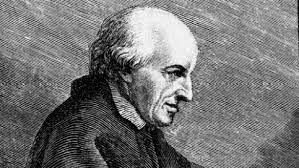
Johann Friedrich Fasch was one of the most respected German composers of the late Baroque period. Although his reputation was overshadowed by contemporaries such as Johann Sebastian Bach and George Frideric Handel, Fasch made significant contributions to orchestral, sacred, and chamber music. His works display a unique blend of German contrapuntal tradition, Italian melodic elegance, and French stylistic influences. Today, scholars recognize him as an important figure whose music helped bridge regional styles and contributed to the development of eighteenth-century instrumental music.
Introduction
Johann Friedrich Fasch was born on April 15, 1688, in the village of Buttelstedt, near Weimar, in what is now Germany. He lived during one of the most vibrant periods in European musical history, when composers were exploring new forms and expanding the expressive possibilities of instrumental and vocal music.
Fasch spent much of his professional life as Kapellmeister at the court of Zerbst, where he composed hundreds of works for church services, court ceremonies, and instrumental ensembles. Although many of his compositions were lost over time, surviving works reveal a composer of remarkable creativity and craftsmanship. His orchestral suites, concertos, and sacred compositions were admired throughout Germany during his lifetime.
Childhood
Johann Friedrich Fasch was born into a modest family. His father, Johann Jacob Fasch, served as a schoolmaster and cantor, providing young Johann with his earliest exposure to music and education. Unfortunately, his father died when Johann was still a child, creating financial difficulties for the family.
Despite these challenges, Fasch demonstrated exceptional intellectual and musical abilities from an early age. Recognizing his talents, local supporters helped him pursue further education. His early experiences in church music and school instruction laid the foundation for his future career as a composer and musician.
As a boy, Fasch attended schools where music played a central role in daily life. He became proficient in singing and learned the fundamentals of composition and instrumental performance. These formative years introduced him to the rich traditions of German sacred music that would influence his later works.
Youth
In 1701, Fasch entered the prestigious St. Thomas School in Leipzig. This institution was one of Germany’s leading centers for musical education and would later become famous through the work of Johann Sebastian Bach.
While studying in Leipzig, Fasch received a comprehensive education in theology, classical languages, and music. He quickly distinguished himself as a gifted composer and organizer. Around 1708, he founded a student musical society known as the Collegium Musicum. This ensemble provided opportunities for public performances and helped promote secular instrumental music among university students.
The Collegium Musicum became an influential institution and continued to flourish long after Fasch left Leipzig. Years later, Johann Sebastian Bach would direct the same organization, further enhancing its reputation.
During his youth, Fasch also became familiar with contemporary Italian and French musical styles. He studied the works of leading European composers and began developing a distinctive compositional voice that combined international influences with German traditions.
Adulthood
After completing his studies, Fasch embarked on a series of professional appointments and extensive travels. Like many musicians of his era, he sought employment at various courts and churches throughout Germany.
His travels exposed him to a wide variety of musical traditions and allowed him to establish relationships with influential patrons and musicians. During this period, he worked in several positions while continuing to compose prolifically.
In 1722, Fasch accepted the position of Kapellmeister at the court of Zerbst. This appointment would define the remainder of his career. As Kapellmeister, he was responsible for directing court music, composing new works, supervising musicians, and organizing performances for religious and ceremonial occasions.
The court of Zerbst provided a stable environment in which Fasch could fully develop his artistic talents. Over the next several decades, he produced a vast body of music, including orchestral suites, concertos, symphonies, sacred cantatas, masses, and chamber works.
His reputation extended far beyond Zerbst. Prominent musicians throughout Germany respected his abilities, and copies of his compositions circulated widely. Fasch maintained professional contacts with leading composers of his time and was considered one of the foremost Kapellmeisters in Germany.
Although he was offered other prestigious positions during his career, he remained loyal to Zerbst, where he continued serving until his death.
Major Compositions
Johann Friedrich Fasch composed an impressive variety of works, many of which exemplify the richness and diversity of late Baroque music.
Orchestral Suites
Fasch’s orchestral suites are among his most celebrated achievements. Influenced by French dance traditions, these compositions combine elegant melodies with sophisticated orchestration. They frequently feature colorful instrumental combinations and demonstrate his mastery of large ensemble writing.
Concertos
His concertos represent some of the finest instrumental music of the German Baroque period. Fasch experimented with unusual instrument pairings and displayed considerable imagination in his treatment of solo and ensemble passages.
Notable examples include:
- Concertos for trumpet and orchestra
- Concertos for oboe and orchestra
- Concertos for flute and orchestra
- Concertos featuring multiple solo instruments
These works reveal strong Italian influences while maintaining a distinctly German structural approach.
Symphonies
Fasch composed numerous early symphonies and sinfonias. Although these works predate the Classical symphony of composers such as Joseph Haydn and Wolfgang Amadeus Mozart, they helped shape the evolution of orchestral music during the eighteenth century.
Sacred Music
A significant portion of Fasch’s output consisted of sacred compositions. He wrote cantatas, masses, motets, and other church works for liturgical use at Zerbst.
His sacred music demonstrates a deep understanding of religious texts and reflects the Lutheran traditions that formed an important part of German musical culture.
Chamber Music
Fasch also excelled in chamber music. His sonatas and ensemble works showcase his gift for melodic invention and contrapuntal skill. These compositions were often intended for court musicians and private performances.
Death
Johann Friedrich Fasch remained active as a composer and musical director throughout his later years. Despite advancing age and health challenges, he continued fulfilling his responsibilities at the court of Zerbst and composing new works.
He died on December 5, 1758, in Zerbst, Germany, at the age of seventy. His death marked the end of a distinguished career that had spanned more than five decades.
Following his death, changing musical tastes contributed to a decline in the performance of his works. As the Classical style gained prominence, many Baroque composers fell into relative obscurity. Numerous manuscripts were lost, dispersed, or forgotten, limiting the preservation of his legacy.
Conclusion
Johann Friedrich Fasch occupies an important place in the history of Baroque music. A highly respected composer during his lifetime, he combined German, Italian, and French influences to create music of remarkable elegance, vitality, and originality. His contributions to orchestral, sacred, and chamber music demonstrate both technical mastery and artistic imagination.
Although overshadowed for many years by more famous contemporaries such as Johann Sebastian Bach and George Frideric Handel, modern scholarship has restored appreciation for Fasch’s achievements. Today, performers and musicologists increasingly recognize him as one of the most significant German composers of the early eighteenth century.
His surviving works reveal a composer who helped shape the development of orchestral music while preserving the richness of the Baroque tradition. Through renewed performances and recordings, Johann Friedrich Fasch’s music continues to reach new audiences, ensuring that his artistic legacy remains an enduring part of classical music history.
Comments are closed