Introduction
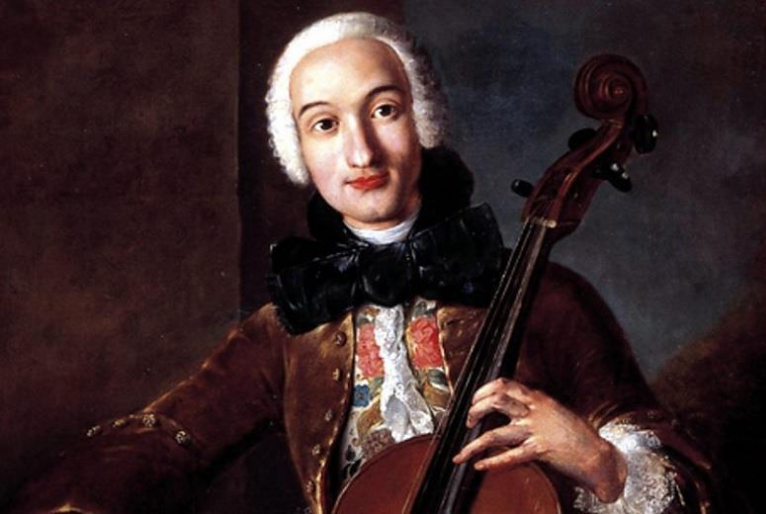
Luigi Boccherini was one of the most gifted and influential composers of the Classical era. Born in Italy during the eighteenth century, he became renowned for his remarkable contributions to chamber music, particularly string quintets and cello compositions. Although he lived during the same period as composers such as Joseph Haydn and Wolfgang Amadeus Mozart, Boccherini developed a unique musical voice distinguished by elegance, lyricism, and refinement.
As a virtuoso cellist, Boccherini elevated the role of the cello in chamber music, creating works that showcased the instrument’s expressive and technical possibilities. During his lifetime, he gained considerable fame throughout Europe, particularly in Spain, where he spent much of his career. Today, he is remembered as one of the most important composers of the Classical period and a pioneer in chamber music composition.

Childhood
Luigi Rodolfo Boccherini was born on February 19, 1743, in the city of Lucca. He came from a talented and artistic family. His father, Leopoldo Boccherini, was a double bass player and cellist who worked in local orchestras. The Boccherini household was filled with music, dance, and artistic pursuits, creating an environment that nurtured young Luigi’s talents from an early age.
Recognizing his son’s exceptional musical ability, Leopoldo began teaching Luigi the cello when he was still a child. The instrument quickly became the center of the boy’s life. His remarkable progress soon exceeded what his father could teach him, leading to advanced studies with local musicians.
By the age of twelve, Boccherini was already performing publicly and attracting attention for his extraordinary technical skill. His early performances demonstrated not only virtuosity but also a natural musical sensitivity that would later define his compositions.
Youth
As a teenager, Boccherini continued his musical education and quickly established himself as one of the finest young cellists in Italy. Around 1757, he traveled to Vienna, one of Europe’s most important musical centers. There he performed with the Imperial Court Orchestra and encountered the latest developments in Classical music.
The experience in Vienna had a profound impact on his artistic growth. He became familiar with the emerging Classical style, characterized by clarity, balance, and elegant structures. During this period, he also began composing seriously, producing chamber works that revealed his exceptional understanding of string instruments.
After returning to Italy, Boccherini performed extensively and collaborated with leading musicians. He formed chamber ensembles and participated in concert tours that increased his reputation. His growing fame as both a performer and composer attracted the attention of patrons throughout Europe.
The death of his father in 1766 was a significant personal loss. Nevertheless, Boccherini continued to pursue his career with determination. By the late 1760s, he had established himself as a respected composer and virtuoso whose works were admired for their originality and sophistication.
Adulthood
A turning point in Boccherini’s life came in 1768 when he moved to Madrid. Spain would become his adopted home for the remainder of his life.
Soon after arriving, Boccherini entered the service of Infante Don Luis, the younger brother of King Charles III of Spain. This prestigious appointment provided financial stability and allowed him to compose extensively. During this period, he produced a large number of chamber works, symphonies, and concertos.
Life in Spain influenced his musical style. While maintaining the elegance of the Classical tradition, Boccherini incorporated elements inspired by Spanish culture, including rhythms, dances, and folk influences. These features gave many of his compositions a distinctive character that set them apart from the works of his contemporaries.
Boccherini married Clementina Pelicho in 1771. The couple had several children, and for many years he enjoyed a relatively stable family life. However, tragedy struck repeatedly. Clementina died in 1785, and several of their children also passed away at young ages. Despite these hardships, Boccherini continued composing with remarkable productivity.
After the death of Don Luis in 1785, Boccherini sought new patrons. He received support from King Friedrich Wilhelm II of Prussia, an enthusiastic amateur cellist. This relationship proved highly beneficial, as the king commissioned numerous compositions. Boccherini’s music circulated widely throughout Europe, enhancing his reputation.
Although admired by musicians and aristocrats, Boccherini faced financial difficulties during his later years. Political upheavals and changing musical tastes reduced opportunities for patronage. Nevertheless, he remained dedicated to composition until the end of his life.
Major Compositions
Luigi Boccherini’s catalog contains more than 450 compositions, making him one of the most prolific composers of the Classical era.
String Quintets
Boccherini is especially celebrated for his string quintets. Unlike the more common quintet format that used two violas, he typically employed two cellos. This arrangement allowed him to highlight the instrument he knew best.
Among his most famous chamber works is the String Quintet in E Major, Op. 11 No. 5. Its third movement, commonly known as “Minuet,” became one of the most recognizable pieces of Classical music and remains popular today.
Cello Concertos
As a virtuoso cellist, Boccherini composed numerous works for his instrument. His cello concertos expanded the technical possibilities of the cello and helped establish it as a prominent solo instrument.
The Cello Concerto in B-flat Major is particularly admired for its lyrical melodies and brilliant passages that showcase the performer’s skill.
Symphonies
Boccherini composed approximately thirty symphonies. These works demonstrate his mastery of orchestral writing and his ability to create elegant musical structures while maintaining expressive depth.
His symphonies reflect the influence of the early Classical style but also reveal his unique sense of color and melody.
Guitar Quintets
Several of Boccherini’s later works incorporate the guitar, reflecting Spanish musical traditions. Among these compositions, the Guitar Quintet No. 4 in D Major, known as “Fandango,” is particularly famous.
The energetic final movement features the lively Spanish dance known as the fandango and remains one of the composer’s most frequently performed works.
Chamber Music Legacy
More than any other genre, chamber music became Boccherini’s lasting contribution to musical history. His quartets, quintets, trios, and sonatas display exceptional craftsmanship and a refined understanding of instrumental balance.
His innovations influenced later composers and helped shape the development of chamber music throughout Europe.
Death
The final years of Boccherini’s life were marked by declining health, financial hardship, and personal loss. Several family members died before him, and his sources of patronage became increasingly limited.
Despite these challenges, he continued composing and remained committed to his art. His dedication reflected a lifelong passion for music that never diminished.
Luigi Boccherini died on May 28, 1805, in Madrid, Spain, at the age of sixty-two. He was buried in Madrid, where he had spent much of his professional career.
In the years immediately following his death, his reputation declined somewhat as musical tastes shifted toward the dramatic styles of the Romantic era. However, later generations rediscovered his works and recognized their artistic significance.
Conclusion
Luigi Boccherini occupies a unique place in the history of Classical music. As both a composer and virtuoso cellist, he expanded the expressive possibilities of chamber music and helped elevate the cello to a position of prominence. His compositions combined technical mastery, melodic beauty, and elegant craftsmanship, creating a musical language that was distinctly his own.
Although overshadowed at times by more famous contemporaries, Boccherini’s contributions have endured. His string quintets, concertos, symphonies, and chamber works continue to be performed and admired around the world. Today, he is recognized as one of the greatest composers of the Classical era and a central figure in the development of chamber music.
Through his creativity, innovation, and devotion to musical excellence, Luigi Boccherini left a legacy that remains vibrant more than two centuries after his death.
Comments are closed