Introduction
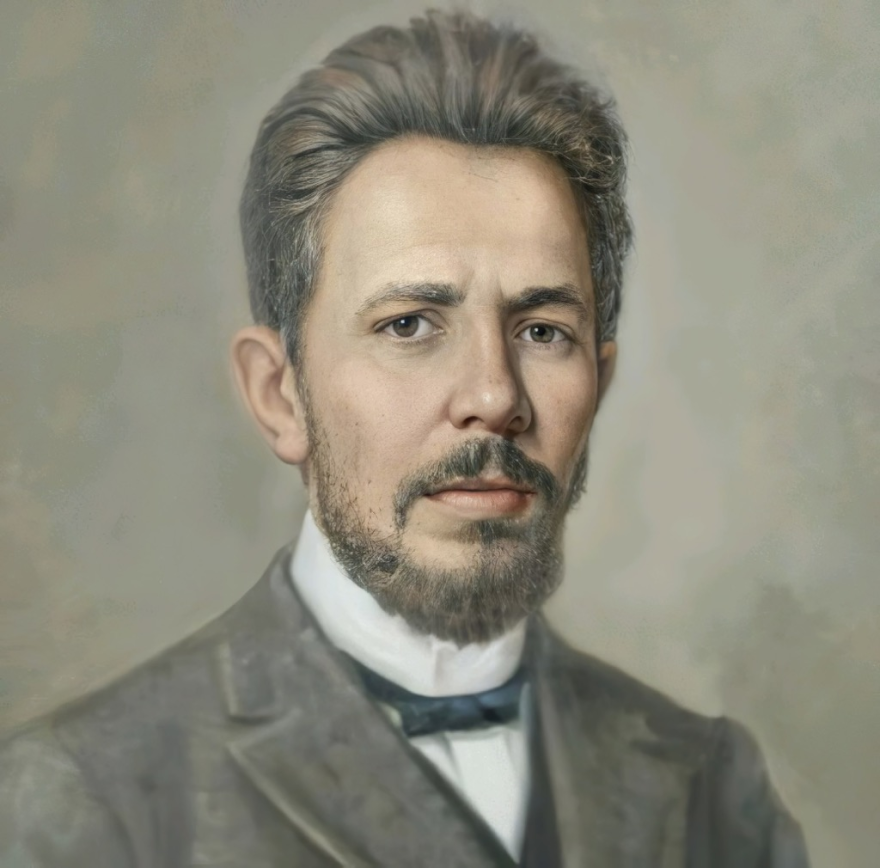
Vasily Kalinnikov was one of the most gifted yet tragically short-lived composers of the Russian Romantic era. Although his life lasted less than thirty-five years, he produced a body of music distinguished by lyrical melodies, rich orchestration, and deep connections to Russian folk traditions. His works, particularly his two symphonies, reveal a composer of remarkable imagination whose career was cut short by illness just as his reputation was beginning to grow.
Despite being overshadowed by contemporaries such as Pyotr Ilyich Tchaikovsky and Sergei Rachmaninoff, Kalinnikov occupies a unique place in Russian musical history. His music combines the nationalistic spirit of Russian folk culture with the elegance and expressive power of late Romanticism.
Childhood
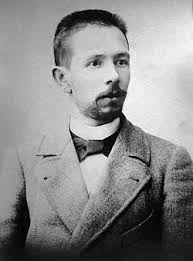
Vasily Sergeyevich Kalinnikov was born on January 13, 1866, in the village of Voina, near Oryol in western Russia. He came from a modest family; his father worked as a police official, and financial resources were limited throughout his early life. Nevertheless, young Vasily displayed extraordinary musical talent from an early age.
He attended the Oryol Seminary, where he received a traditional education while developing his musical abilities. Music quickly became the center of his life. His aptitude was so evident that by the age of fourteen he had become director of the seminary choir, an impressive achievement for someone so young. This experience provided him with valuable practical training in conducting and vocal music, laying the foundation for his future career as a composer.
Growing up in rural Russia also exposed him to folk songs and traditional melodies that would later influence many of his compositions. The natural lyricism found throughout his orchestral works can be traced in part to these early musical experiences.
Youth
As a young man, Kalinnikov sought advanced musical education in Moscow. He initially entered the prestigious Moscow Conservatory but soon encountered financial difficulties that prevented him from continuing his studies there. Rather than abandoning his musical ambitions, he earned a scholarship to the Moscow Philharmonic Society School, where he studied bassoon and composition under Alexander Ilyinsky.
Life in Moscow was challenging. To support himself, Kalinnikov worked tirelessly as a music copyist and performed in theater orchestras. He played several instruments, including bassoon, violin, and timpani. These experiences gave him firsthand knowledge of orchestral color and instrumental technique, skills that would later enrich his compositions.
During this period, he began composing seriously. His early works demonstrated a natural gift for melody and orchestration. Musicians and critics started to recognize his promise, and he gradually became connected with influential figures in Moscow’s musical circles. Most importantly, he earned the admiration of Tchaikovsky, whose encouragement would prove invaluable.
Adulthood
Kalinnikov’s professional career advanced significantly in 1892 when Tchaikovsky recommended him for conducting positions at Moscow’s Maly Theatre and later the Moscow Italian Theatre. These appointments represented a major opportunity for the young composer and conductor.
Unfortunately, just as success seemed within reach, his health began to deteriorate. He contracted tuberculosis, one of the most feared diseases of the nineteenth century. The illness progressively weakened him and eventually made it impossible for him to continue his conducting duties in Moscow. Seeking a warmer climate that might improve his condition, he moved to Yalta in Crimea.
Although physically isolated from the musical life of Moscow and Saint Petersburg, Kalinnikov entered the most productive period of his creative life in Yalta. There he devoted himself almost entirely to composition. Surrounded by the beauty of the Crimean landscape and inspired by Russian folk traditions, he created the works that would secure his legacy.
His reputation grew steadily after the successful premiere of his First Symphony in Kyiv in 1897. The work received enthusiastic acclaim and was soon performed in major European cities, including Moscow, Vienna, Berlin, and Paris. Critics praised its melodic richness and emotional power, establishing Kalinnikov as one of the most promising Russian composers of his generation.
Major Compositions
Although Kalinnikov’s output was relatively small due to his short life, it contains several masterpieces that continue to be admired.
Symphony No. 1 in G Minor (1894–1895)
This is unquestionably Kalinnikov’s most famous work. Rich in memorable melodies and infused with Russian folk influences, the symphony became an immediate success after its premiere. Its lyrical slow movement and triumphant finale have made it a favorite among conductors and audiences alike. Many music historians regard it as one of the finest Russian symphonies of the late nineteenth century.
Symphony No. 2 in A Major (1895–1897)
Composed shortly after the First Symphony, this work displays a more mature and refined style. Although it never achieved the same popularity as its predecessor, it demonstrates Kalinnikov’s continued growth as a symphonist and his ability to balance lyricism with structural sophistication.
Bylina
This orchestral tone poem, sometimes described as an epic poem or concert overture, reflects Russian legends and heroic traditions. The work showcases Kalinnikov’s gift for colorful orchestration and dramatic atmosphere.
Tsar Boris
Kalinnikov composed incidental music for Aleksey Tolstoy’s historical drama Tsar Boris. The score reveals his ability to write music that enhances theatrical storytelling while maintaining artistic independence.
Other Works
His catalog also includes orchestral suites, overtures, serenades, piano pieces, choral compositions, songs, and an unfinished opera titled In 1812. Though less frequently performed, these works reveal the breadth of his musical imagination and craftsmanship.
Death
Kalinnikov’s battle with tuberculosis continued throughout the final years of his life. Despite periods of intense creative activity, his health steadily declined. Living in Yalta offered some relief, but it could not halt the progress of the disease.
On January 11, 1901, just two days before his thirty-fifth birthday, Vasily Kalinnikov died in Yalta. His death shocked those who knew him and left many wondering what he might have achieved had he lived longer. Friends and colleagues recognized that Russian music had lost an extraordinary talent at the height of his creative powers.
Following his death, publishers and musicians worked to preserve and promote his music. His Second Symphony and other compositions were published and performed, ensuring that his artistic legacy would survive beyond his brief lifetime.
Conclusion
Vasily Kalinnikov’s life was marked by hardship, poverty, and chronic illness, yet his achievements remain remarkable. Emerging from modest beginnings, he developed into one of the most gifted composers of Russian Romanticism. His music combines expressive melodies, folk-inspired themes, and masterful orchestration, creating works of enduring beauty and emotional appeal.
Although his career lasted only a few years, Kalinnikov left behind compositions that continue to inspire musicians and audiences around the world. His Symphony No. 1 remains a beloved masterpiece, while his broader catalog reveals a composer whose full potential was never realized because of his untimely death. Today, Vasily Kalinnikov stands as a poignant example of artistic brilliance interrupted too soon, yet preserved through music that continues to speak with warmth, sincerity, and unmistakable Russian character.
Comments are closed