Introduction
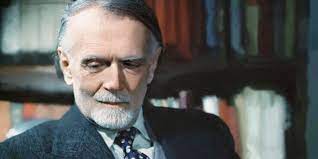
Zoltán Kodály was one of the most influential composers, educators, and ethnomusicologists of the twentieth century. Born in Hungary during the late nineteenth century, he became a leading figure in the preservation and promotion of Hungarian folk music while also establishing himself as a distinguished composer of classical works. His contributions extended far beyond composition, as he revolutionized music education through methods that continue to be used around the world today.
Kodály’s career combined artistic creativity, scholarly research, and educational innovation. Together with his friend and colleague Béla Bartók, he helped document thousands of traditional folk songs, preserving an essential part of Hungary’s cultural heritage. His compositions blended the richness of folk traditions with sophisticated classical techniques, creating a unique musical language that earned international recognition.
Today, Kodály is remembered not only as a composer but also as a visionary who believed that music should be accessible to everyone. His influence remains evident in concert halls, classrooms, and academic institutions throughout the world.
Childhood
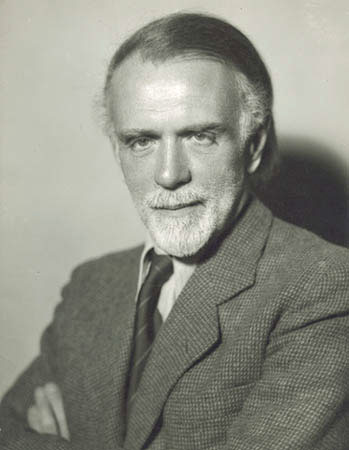
Zoltán Kodály was born on December 16, 1882, in the town of Kecskemét, which was then part of the Austro-Hungarian Empire. His father, Frigyes Kodály, worked as a railway official, while his mother, Paulina, encouraged musical activities within the family.
Because of his father’s profession, the family moved several times during Kodály’s childhood. Much of his early life was spent in the towns of Galánta and Nagyszombat, regions rich in folk traditions that would later influence his musical development. Although he received no intensive professional musical training during his earliest years, he was exposed to a variety of musical experiences through church services, local performances, and family gatherings.
Kodály learned to play the violin and later became proficient on several instruments. He also sang in church choirs, where he developed an appreciation for vocal music. These experiences helped shape his lifelong belief in the importance of singing as the foundation of musical education.
Even as a child, Kodály displayed remarkable intellectual abilities. He excelled in literature, languages, and music, showing a curiosity that would characterize his entire career. His early exposure to both folk traditions and classical music laid the groundwork for the unique artistic vision that would emerge in adulthood.
Youth
As a young man, Kodály pursued higher education in Budapest. He enrolled at the prestigious Eötvös Loránd University, where he studied Hungarian and German literature. At the same time, he attended the Liszt Academy of Music, studying composition and musical theory.
His university years were crucial in shaping both his intellectual and artistic development. While many composers of the period focused primarily on Western European traditions, Kodály became increasingly interested in the musical heritage of rural Hungary. He recognized that much of the authentic folk music of the Hungarian people was disappearing as modernization spread throughout the country.
Around the beginning of the twentieth century, Kodály began conducting field research into folk music. Armed with one of the earliest portable recording devices available, he traveled to remote villages collecting traditional songs directly from local singers. This pioneering work represented a groundbreaking approach to musical scholarship.
During these years, he met Béla Bartók, who shared his interest in folk music. The friendship between the two composers became one of the most significant artistic partnerships in modern music history. Together they expanded the study of folk music beyond Hungary, documenting melodies from neighboring regions and contributing to the development of ethnomusicology as an academic discipline.
Adulthood
Kodály’s professional career began in the early twentieth century as both a composer and educator. He joined the faculty of the Liszt Academy, where he taught composition and inspired generations of young musicians.
Initially, his music received mixed reactions. Some audiences found his style unconventional because it incorporated folk elements in ways that differed from traditional Romantic compositions. However, his reputation grew steadily, especially after the success of several major works during the 1920s and 1930s.
The premiere of his orchestral and choral compositions established him as one of Hungary’s leading composers. His music demonstrated an exceptional ability to merge folk-inspired melodies with sophisticated harmonic structures and formal designs. Unlike composers who merely quoted folk tunes, Kodály absorbed the essence of folk music into his personal style.
During the difficult years surrounding both World Wars, Kodály remained committed to cultural and educational work. He continued researching folk traditions and advocating for improved music education. He believed that every child should receive a high-quality musical education regardless of social background.
This conviction eventually led to the development of what became known as the Kodály Method. Rather than focusing primarily on instrumental instruction, the method emphasized singing, ear training, musical literacy, and the gradual development of musical skills through carefully structured learning experiences. Although Kodály himself did not create every aspect of the system, his educational philosophy served as its foundation.
Following World War II, Kodály gained international recognition. He traveled extensively, lectured abroad, and became an influential cultural figure. His educational ideas were adopted in many countries, while his compositions entered the repertoire of orchestras, choirs, and solo performers worldwide.
By the later decades of his life, he was widely regarded as one of the most respected musicians in Europe. Numerous honors and awards acknowledged his contributions to composition, scholarship, and education.
Major Compositions
Kodály produced a diverse body of work that included orchestral music, chamber music, choral compositions, songs, and stage works. Several pieces remain central to the classical repertoire.
Háry János (1926)
Perhaps his most famous stage work, Háry János is a comic folk opera based on the adventures of a legendary Hungarian soldier known for his exaggerated stories. The orchestral suite derived from the opera became especially popular and is frequently performed in concert halls.
Psalmus Hungaricus (1923)
This large-scale choral work established Kodály’s international reputation. Combining religious themes with national identity, the composition demonstrated his mastery of vocal writing and dramatic expression.
Dances of Galánta (1933)
Inspired by memories of his childhood and local musical traditions, this orchestral work remains one of his most celebrated compositions. It features vibrant rhythms, colorful orchestration, and melodies influenced by Hungarian folk music.
Peacock Variations (1939)
Officially titled Variations on a Hungarian Folk Song, this orchestral masterpiece showcases Kodály’s skill in transforming a simple folk melody into a complex and sophisticated symphonic work.
Missa Brevis (1944)
Composed during the turmoil of World War II, this sacred work is among Kodály’s greatest achievements in choral music. It combines spiritual depth with exceptional craftsmanship.
Sonata for Solo Cello (1915)
One of the most important works in the cello repertoire, this sonata expanded the technical and expressive possibilities of the instrument. It remains a favorite among professional cellists.
Choral Music
Kodály composed numerous choral works that reflect his belief in the power of communal singing. Many of these pieces are still performed by amateur and professional choirs around the world.
Death
Zoltán Kodály remained active throughout his later years, continuing to compose, teach, and advocate for music education. Despite advancing age, he maintained a strong presence in Hungary’s cultural life and enjoyed widespread international respect.
He died on March 6, 1967, in Budapest at the age of eighty-four. His death marked the end of an extraordinary career that had transformed both Hungarian music and global music education.
Following his passing, tributes poured in from musicians, educators, scholars, and political leaders. Many recognized that his influence extended far beyond his compositions, affecting the way music was taught and understood throughout the world.
His legacy continued through institutions dedicated to his educational principles and through countless musicians inspired by his work.
Conclusion
Zoltán Kodály occupies a unique place in music history. He was simultaneously a composer, scholar, educator, and cultural advocate. His efforts to preserve folk traditions helped safeguard an important aspect of Hungarian identity, while his compositions demonstrated how traditional musical materials could be transformed into sophisticated works of art.
Beyond his achievements as a composer, Kodály’s educational philosophy revolutionized music teaching. His belief that musical literacy should be available to everyone continues to influence classrooms across the globe. Through the Kodály Method, generations of students have developed musical skills rooted in singing, listening, and active participation.
More than half a century after his death, Kodály’s music remains widely performed, his educational ideas remain widely practiced, and his scholarly contributions remain highly respected. His life stands as a testament to the power of music not only as an art form but also as a means of cultural preservation, personal development, and human connection.
Comments are closed