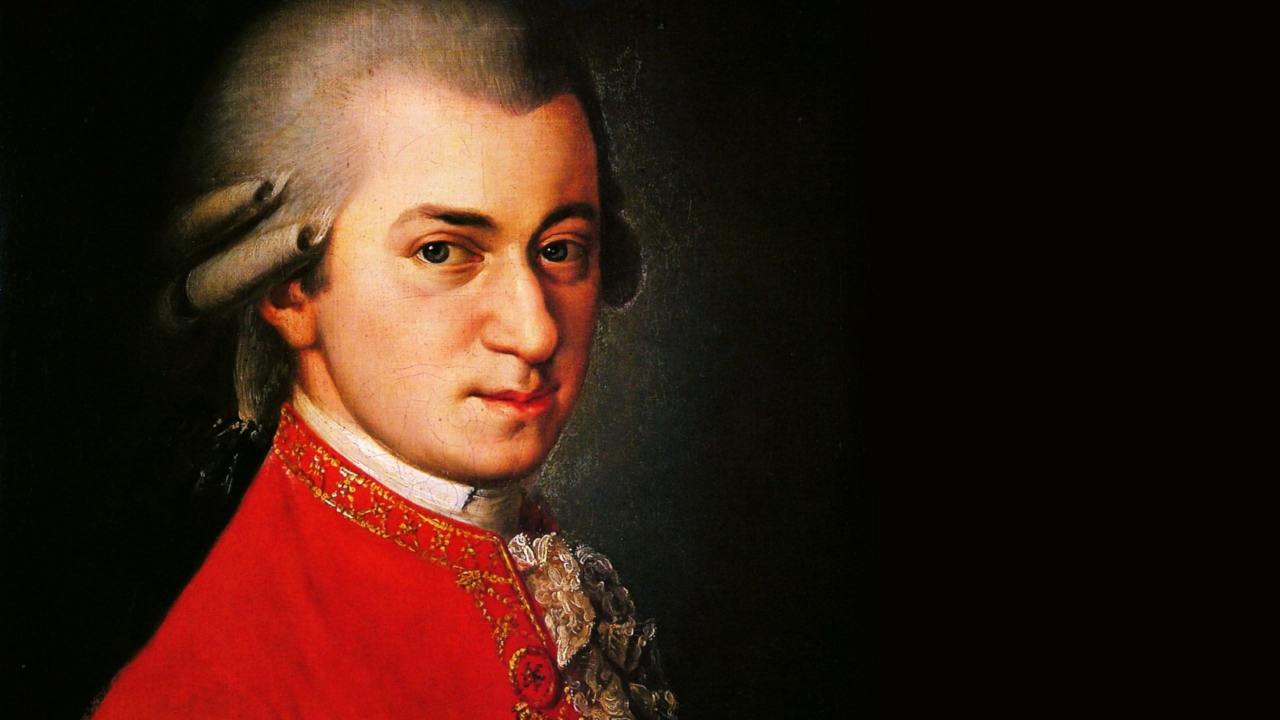
Wolfgang Amadeus Mozart: A Genius of Classical Music
Few composers have left a legacy as profound as Wolfgang Amadeus Mozart. Born in 1756 in Salzburg, Mozart demonstrated extraordinary musical talent from an early age and went on to compose more than 600 works during his short lifetime. His music is celebrated for its elegance, emotional depth, technical brilliance, and lasting influence on Western classical music.
While selecting only five masterpieces from such a vast catalog is challenging, the following compositions are widely regarded as among Mozart’s most important and enduring works.
1. The Magic Flute (Die Zauberflöte)
The Magic Flute
Overview
Premiered in 1791, The Magic Flute is one of Mozart’s most beloved operas. Combining fairy-tale elements, comedy, symbolism, and profound philosophical themes, the opera tells the story of Prince Tamino’s quest to rescue Pamina, guided by a magical flute.
Why It Matters
This work showcases Mozart’s extraordinary ability to blend accessible entertainment with deep artistic and intellectual ideas. The opera contains some of the most recognizable arias in classical music, including the Queen of the Night’s famous coloratura passages.
Musical Highlights
- The Queen of the Night’s Aria
- Papageno’s comic songs
- The grand finale celebrating wisdom and enlightenment
Legacy
Today, The Magic Flute remains one of the most frequently performed operas worldwide and continues to captivate audiences of all ages.
2. Symphony No. 40 in G Minor, K. 550
Symphony No. 40 in G Minor, K. 550
Overview
Composed in 1788, Symphony No. 40 is one of only two symphonies Mozart wrote in a minor key. It stands out for its emotional intensity, dramatic tension, and remarkable melodic invention.
Why It Matters
Unlike many of Mozart’s more cheerful works, this symphony explores darker and more introspective emotions. Its opening movement is instantly recognizable and has become one of the most famous passages in classical music.
Musical Highlights
- The haunting opening theme
- Rich harmonic development
- Emotional contrast between movements
Legacy
The symphony has inspired generations of composers and remains a cornerstone of the orchestral repertoire.
3. Requiem in D Minor, K. 626
Requiem in D Minor, K. 626
Overview
The Requiem is perhaps Mozart’s most mysterious and emotionally powerful work. Commissioned anonymously in 1791, it was left unfinished at the time of Mozart’s death and later completed by his student Franz Xaver Süssmayr.
Why It Matters
Surrounded by legends and speculation, the Requiem has become synonymous with Mozart’s final days. The music conveys a profound sense of drama, spirituality, and human vulnerability.
Musical Highlights
- Introitus
- Dies Irae
- Lacrimosa
- Confutatis
Legacy
The Requiem is considered one of the greatest sacred compositions ever written and remains a powerful expression of mortality and faith.
4. Piano Concerto No. 21 in C Major, K. 467
Piano Concerto No. 21 in C Major, K. 467
Overview
Completed in 1785, this concerto exemplifies Mozart’s mastery of the concerto form. It combines virtuoso piano writing with a sophisticated orchestral accompaniment.
Why It Matters
The concerto’s second movement, often referred to as the “Elvira Madigan” movement, is especially famous for its lyrical beauty and emotional serenity.
Musical Highlights
- Brilliant first movement
- Dreamlike Andante
- Joyful and energetic finale
Legacy
Widely regarded as one of the greatest piano concertos ever composed, it remains a favorite among pianists and audiences alike.
5. Eine kleine Nachtmusik, K. 525
Eine kleine Nachtmusik
Overview
Composed in 1787, Eine kleine Nachtmusik (“A Little Night Music”) is one of Mozart’s most recognizable works. Written as a serenade for strings, it demonstrates his gift for creating memorable melodies and elegant musical structures.
Why It Matters
Its opening theme is instantly familiar, even to people with little knowledge of classical music. The work perfectly captures the balance, clarity, and charm associated with the Classical era.
Musical Highlights
- Iconic opening Allegro
- Graceful Romanze
- Lively concluding Rondo
Legacy
The piece has become one of the most frequently performed and recorded works in all of classical music.
Mozart’s Enduring Influence
More than two centuries after his death, Mozart’s music continues to inspire performers, composers, scholars, and listeners around the world. His ability to combine technical perfection with emotional expression remains unmatched, making his works timeless treasures of human creativity.
Whether through the dramatic intensity of the Requiem, the elegance of Eine kleine Nachtmusik, the emotional depth of Symphony No. 40, the brilliance of Piano Concerto No. 21, or the imaginative storytelling of The Magic Flute, Mozart’s genius continues to resonate across generations.
Conclusion
Wolfgang Amadeus Mozart’s compositions represent some of the highest achievements in the history of music. These five masterpieces offer an excellent introduction to his extraordinary talent and demonstrate why he remains one of the most celebrated composers of all time. For anyone exploring classical music, they are essential listening and enduring examples of artistic excellence.
Comments are closed