Introduction
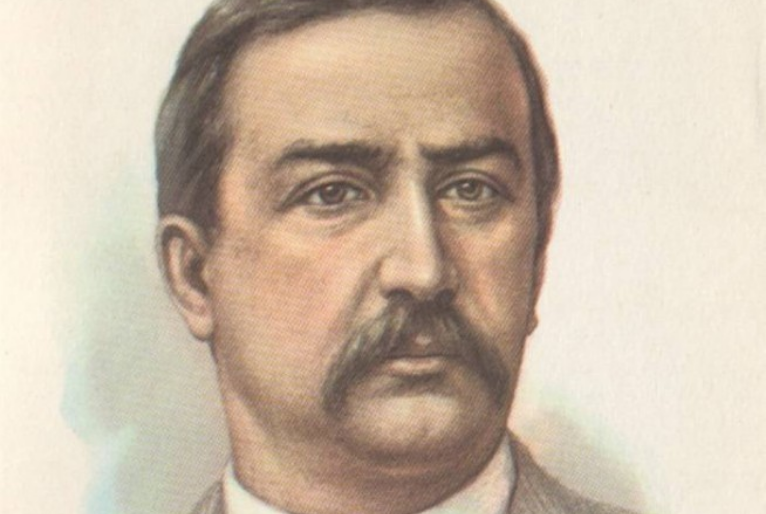
Aleksandr Borodin occupies a unique place in the history of classical music. A distinguished chemist by profession and a composer by passion, he managed to create some of the most enduring works of the Russian Romantic era despite having limited time for composition. As a member of “The Mighty Handful” (also known as “The Five”), Borodin helped shape a distinctly Russian musical identity that moved away from Western European traditions and embraced national themes, folk influences, and vivid orchestral colors.
Although his catalog is relatively small compared to many of his contemporaries, several of his compositions have become staples of the classical repertoire. In this article, we explore five of Borodin’s most important and influential works, examining their historical significance, musical characteristics, and lasting impact.
1. Prince Igor (Opera)
Borodin’s Masterpiece
Prince Igor is widely regarded as Borodin’s greatest achievement and the work for which he is best known. Based on a medieval Russian epic, the opera tells the story of Prince Igor’s campaign against the Polovtsian tribes and explores themes of patriotism, honor, and national identity.
Borodin worked on the opera for nearly two decades but never completed it. Following his death in 1887, fellow composers Nikolai Rimsky-Korsakov and Alexander Glazunov assembled and completed the score using Borodin’s sketches and notes.
Musical Highlights
The opera is celebrated for its sweeping melodies, rich orchestration, and dramatic storytelling. Its most famous section is undoubtedly the Polovtsian Dances, a series of exotic and energetic choral and orchestral numbers that have become popular both in concert halls and popular culture.
Why It Matters
Prince Igor exemplifies the nationalist spirit of Russian music in the nineteenth century and remains one of the most frequently performed Russian operas worldwide.
2. In the Steppes of Central Asia
A Musical Landscape
Composed in 1880, In the Steppes of Central Asia is a symphonic poem that demonstrates Borodin’s extraordinary ability to paint vivid musical pictures.
The work was originally written to commemorate the expansion of the Russian Empire into Central Asia. Rather than depicting military conquest, Borodin chose to create a peaceful musical scene in which Russian and Asian cultures coexist across the vast landscape of the steppes.
Musical Features
The composition is built around two principal themes:
- A Russian melody representing Russian influence.
- An Eastern-inspired melody symbolizing the peoples of Central Asia.
As the piece unfolds, these themes gradually intertwine, creating a sense of harmony and cultural interaction.
Why It Matters
This work remains one of the finest examples of musical impressionism before the term became widely associated with later composers. Its elegant orchestration and evocative atmosphere continue to captivate audiences.
3. Symphony No. 2 in B Minor
The Epic Symphony
Completed in 1876, Borodin’s Symphony No. 2 is often considered his finest orchestral work. The composer himself referred to it as a “heroic symphony,” and many listeners hear echoes of medieval Russian warriors and epic legends throughout the music.
Structure and Style
The symphony consists of four movements:
- A powerful and dramatic opening movement.
- A lively scherzo with remarkable rhythmic energy.
- A lyrical and expressive slow movement.
- A triumphant finale inspired by Russian folk traditions.
Musical Significance
The work combines structural discipline with vivid orchestral color, demonstrating Borodin’s ability to merge Western symphonic forms with distinctly Russian themes.
Why It Matters
Many scholars regard Symphony No. 2 as one of the greatest Russian symphonies of the nineteenth century. Its influence can be heard in the works of later composers who sought to create a national musical style.
4. Symphony No. 1 in E-flat Major
A Promising Beginning
Borodin’s first symphony, completed in 1867, marked his arrival as a serious composer. While it reveals the influence of European symphonic traditions, it also contains many of the characteristics that would later define his mature style.
Musical Characteristics
The symphony features:
- Strong thematic development.
- Energetic rhythms.
- Rich orchestral textures.
- Early examples of Russian folk-inspired melodic writing.
Although less frequently performed than his Second Symphony, it remains an important milestone in the development of Russian orchestral music.
Why It Matters
Symphony No. 1 demonstrates how Borodin successfully blended international symphonic techniques with emerging Russian nationalist ideals, helping establish a foundation for future generations of composers.
5. String Quartet No. 2 in D Major
Chamber Music at Its Finest
Composed in 1881, String Quartet No. 2 is among the most beloved works in the chamber music repertoire. Unlike many of Borodin’s grand orchestral compositions, this quartet reveals a more intimate and lyrical side of his musical personality.
The work is often associated with Borodin’s affection for his wife, and many listeners interpret its warm melodies and gentle character as expressions of personal devotion.
The Famous “Notturno”
The third movement, known as the Notturno, is particularly famous for its soaring melodic lines and emotional depth. It has become one of Borodin’s most recognizable compositions and has been adapted in numerous arrangements.
Why It Matters
String Quartet No. 2 showcases Borodin’s gift for melody and demonstrates that his talents extended far beyond large-scale orchestral and operatic works.
Borodin’s Lasting Influence
Although Aleksandr Borodin composed relatively few works, his influence on classical music has been profound. His music helped define the Russian nationalist movement and inspired generations of composers both within and beyond Russia.
Borodin’s compositions are distinguished by:
- Memorable melodies.
- Rich harmonic language.
- Colorful orchestration.
- Strong national character.
- Emotional sincerity.
His ability to combine technical mastery with expressive beauty has ensured that his music remains relevant and widely admired more than a century after his death.
Conclusion
Aleksandr Borodin’s legacy rests on a small but remarkably influential body of work. From the grandeur of Prince Igor and the evocative imagery of In the Steppes of Central Asia to the heroic power of Symphony No. 2 and the intimate beauty of String Quartet No. 2, his compositions continue to captivate audiences around the world.
These five masterpieces represent the very best of Borodin’s artistic achievement and offer an ideal introduction to one of the most important figures in Russian Romantic music. Whether you are a longtime classical music enthusiast or a newcomer exploring the genre, Borodin’s works remain essential listening for anyone interested in the richness and diversity of nineteenth-century music.
Comments are closed