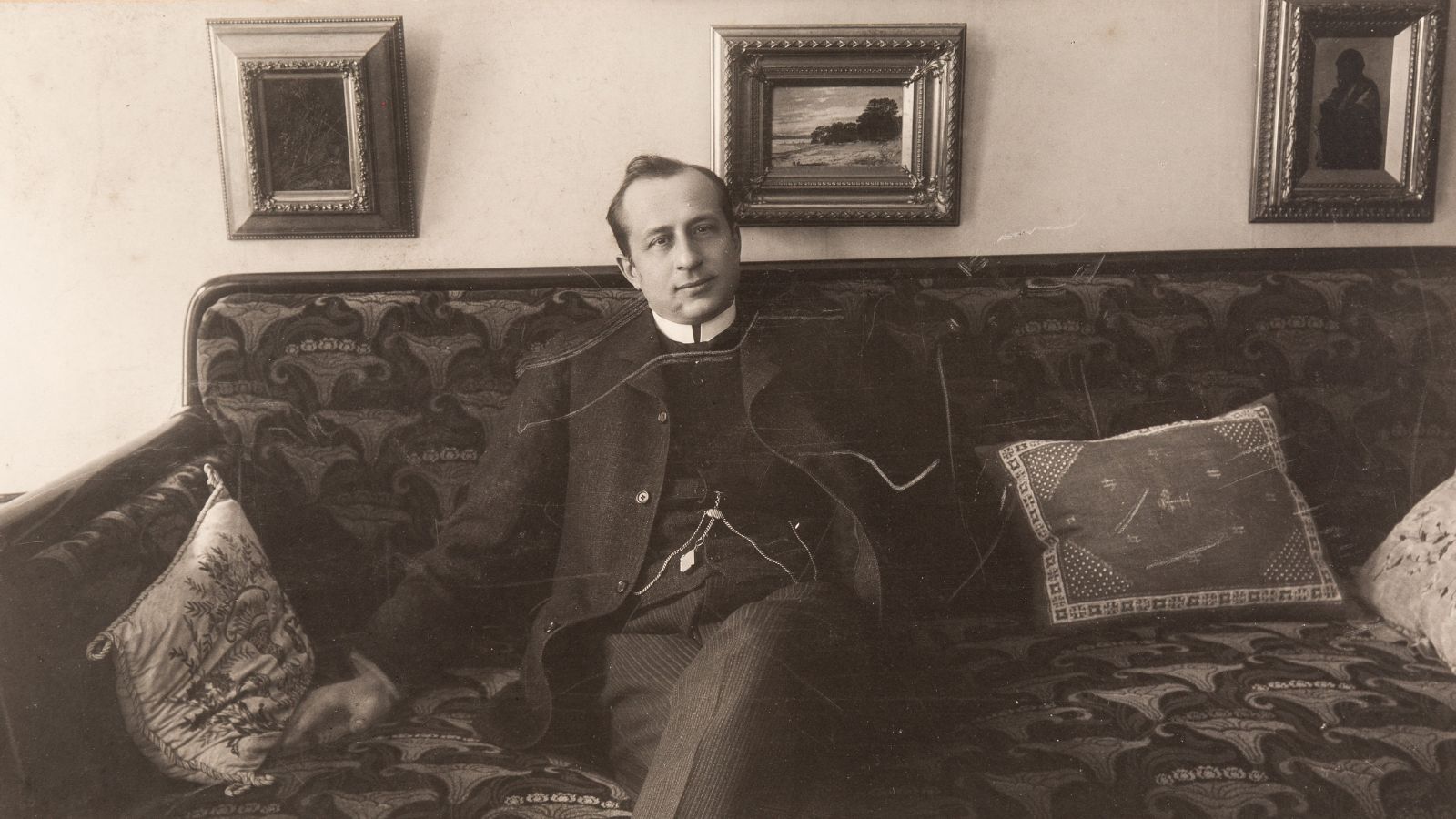
Alexander Siloti (1863–1945) was one of the most influential pianists, conductors, and musical educators of the late Romantic era. A student of Franz Liszt and a cousin of Sergei Rachmaninoff, Siloti built an international reputation not only as a performer but also as an arranger and composer.
Today, he is best remembered for his piano transcriptions, which transformed works by earlier composers into expressive concert pieces for the modern piano. His arrangements combine technical brilliance, lyrical beauty, and a deep respect for the original music.
This article explores five of Alexander Siloti’s most important and enduring compositions and transcriptions.
1. Prelude in B Minor (After Bach, BWV 855a)
Siloti’s Most Famous Work
The Prelude in B Minor is undoubtedly Siloti’s most celebrated transcription. Based on a keyboard prelude by Johann Sebastian Bach, Siloti transformed the original piece into one of the most beloved piano miniatures in the classical repertoire.
By transposing the work from E minor to B minor and redistributing the musical lines between the hands, Siloti created a richer, more Romantic sound world. The result is a piece of remarkable serenity and emotional depth.
Why It Matters
- One of the most performed piano transcriptions ever written.
- Frequently featured in recitals, recordings, and film soundtracks.
- Perfectly blends Bach’s contrapuntal elegance with Romantic expressiveness.
Musical Characteristics
- Dreamlike atmosphere
- Flowing melodic lines
- Rich harmonic color
- Deep emotional resonance
2. Toccata and Fugue in D Minor (After Bach, BWV 565)
Bringing Organ Power to the Piano
Siloti’s transcription of Bach’s legendary Toccata and Fugue in D Minor demonstrates his extraordinary ability to translate orchestral and organ textures to the piano.
Originally composed for organ, the work is famous for its dramatic opening and monumental architecture. Siloti adapted these qualities for the concert grand piano while preserving the piece’s grandeur and intensity.
Why It Matters
- Showcases Siloti’s technical mastery as an arranger.
- Expands the expressive possibilities of the piano.
- Remains a favorite among virtuoso pianists.
Musical Characteristics
- Powerful chordal writing
- Dramatic contrasts
- Virtuosic passages
- Monumental structure
3. Air from Orchestral Suite No. 3 in D Major (After Bach, BWV 1068)
A Study in Elegance and Lyricism
Known worldwide as the famous “Air on the G String,” this transcription demonstrates Siloti’s gift for preserving the beauty of a melody while enhancing its pianistic character.
The arrangement allows pianists to recreate the warmth and singing quality of Bach’s orchestral masterpiece using only the piano.
Why It Matters
- One of the most accessible and lyrical works in Siloti’s catalog.
- Frequently performed in concerts and special events.
- Highlights the piano’s vocal qualities.
Musical Characteristics
- Graceful melodic phrasing
- Warm harmonic texture
- Calm and reflective mood
- Refined Romantic expression
4. Andante from Violin Sonata No. 2 in A Minor (After Bach, BWV 1003)
Transforming a Violin Masterpiece
Siloti’s arrangement of the Andante from Bach’s violin sonata is a remarkable example of musical adaptation. Originally written for solo violin, the piece gains a new dimension through Siloti’s piano treatment.
Rather than simply copying the original notes, Siloti enriches the texture and creates a fuller harmonic landscape that suits the piano perfectly.
Why It Matters
- Demonstrates Siloti’s sensitivity to Bach’s music.
- Reveals new expressive possibilities within the original work.
- Continues to attract performers seeking intimate and poetic repertoire.
Musical Characteristics
- Singing melodic lines
- Transparent textures
- Delicate balance between voices
- Meditative atmosphere
5. Fantasia in C Minor (After Bach, BWV 906)
Drama and Virtuosity
The Fantasia in C Minor represents the more dramatic side of Siloti’s artistic personality. This transcription preserves Bach’s improvisatory spirit while exploiting the dynamic range and sonority of the modern piano.
The work combines intellectual rigor with emotional intensity, making it a compelling addition to any recital program.
Why It Matters
- Highlights Siloti’s ability to merge Baroque structure with Romantic color.
- Demands both technical control and interpretive depth.
- Offers audiences a powerful and dramatic listening experience.
Musical Characteristics
- Bold harmonic language
- Contrasting moods
- Virtuosic flourishes
- Expansive musical architecture
Alexander Siloti’s Legacy
Although Alexander Siloti composed original works, his greatest contribution to classical music lies in his extraordinary transcriptions. Through these arrangements, he introduced generations of pianists and audiences to new ways of experiencing Bach’s masterpieces.
Siloti understood that a transcription should be more than a technical adaptation. It should reveal new emotional possibilities while remaining faithful to the spirit of the original composition. This philosophy explains why his works continue to be performed and recorded more than a century after they were created.
His arrangements remain essential repertoire for pianists seeking music that combines technical sophistication, expressive beauty, and historical significance.
Comments are closed