Introduction
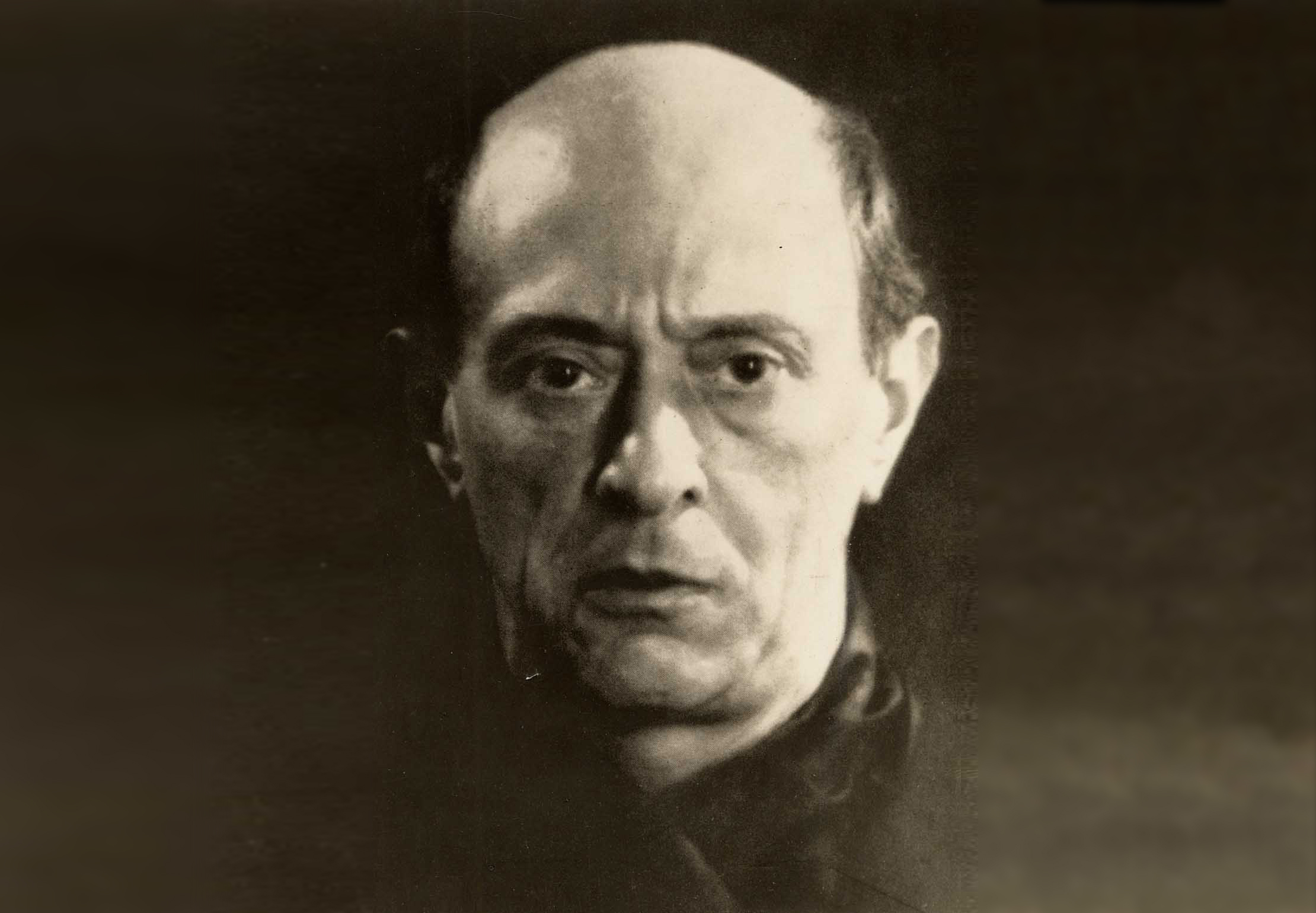
Arnold Schönberg (1874–1951) stands among the most influential composers in the history of Western classical music. His work transformed the musical language of the twentieth century, leading the transition from late Romanticism to atonality and eventually to the twelve-tone technique. While his music is often considered challenging, it remains essential for understanding the evolution of modern composition.
This article explores five of Schönberg’s most significant compositions, examining their historical context, musical innovations, and lasting impact on classical music.
1. Verklärte Nacht (Transfigured Night), Op. 4 (1899)
A Late-Romantic Masterpiece
Composed when Schönberg was only twenty-five years old, Verklärte Nacht is one of his earliest major successes. Inspired by a poem by Richard Dehmel, the work tells the story of a woman who confesses a painful secret to her lover during a moonlit walk. Through compassion and understanding, the couple experiences spiritual transformation.
Originally written for string sextet and later arranged for string orchestra, the composition reflects the influence of Johannes Brahms and Richard Wagner while already revealing Schönberg’s unique voice.
Why It Matters
- Represents Schönberg’s late-Romantic period.
- Demonstrates extraordinary emotional depth and harmonic richness.
- Remains one of his most frequently performed works.
- Bridges nineteenth-century Romanticism and twentieth-century modernism.
Musical Characteristics
The piece is notable for its lush harmonies, expressive melodies, and continuous narrative structure. Although still tonal, it pushes harmonic boundaries further than many of its contemporaries.
2. Pierrot Lunaire, Op. 21 (1912)
A Landmark of Musical Modernism
Pierrot Lunaire is perhaps Schönberg’s most famous and influential composition. Based on twenty-one poems by Albert Giraud, translated into German by Otto Erich Hartleben, the work follows the strange and often unsettling adventures of the fictional character Pierrot.
The composition introduced audiences to a new vocal technique called Sprechstimme, a hybrid between speaking and singing.
Why It Matters
- One of the defining works of twentieth-century modernism.
- Introduced innovative approaches to vocal performance.
- Influenced generations of composers across Europe and America.
- Expanded the possibilities of chamber music.
Musical Characteristics
The work combines voice with a small ensemble of flute, clarinet, violin, cello, and piano. Its fragmented textures, unusual timbres, and highly expressive atmosphere create a unique sound world that continues to fascinate listeners.
3. Five Pieces for Orchestra, Op. 16 (1909)
Breaking Away from Traditional Tonality
With Five Pieces for Orchestra, Schönberg moved decisively into atonal territory. Rather than relying on traditional melodies and harmonic progressions, he focused on color, texture, and emotional intensity.
Each movement explores a distinct musical idea, creating a collection of highly concentrated orchestral miniatures.
Why It Matters
- Marks a crucial step toward musical atonality.
- Revolutionized orchestral writing.
- Emphasized timbre as a primary compositional element.
- Influenced many twentieth-century composers and film composers.
Musical Characteristics
The work employs a large orchestra and explores constantly shifting colors and moods. The fourth movement, often translated as “Peripeteia,” is particularly admired for its dramatic contrasts and dense orchestral textures.
4. Erwartung (Expectation), Op. 17 (1909)
Psychological Drama in Music
Erwartung is a one-act monodrama for soprano and orchestra. The story follows a woman wandering through a forest at night while experiencing fear, anxiety, confusion, and emotional turmoil.
Rather than presenting a traditional narrative, the composition portrays rapidly changing psychological states, making it one of the earliest examples of musical expressionism.
Why It Matters
- A pioneering work of psychological music drama.
- Demonstrates Schönberg’s mature atonal style.
- Anticipates later developments in modern opera and theater.
- Explores the subconscious through music.
Musical Characteristics
The score avoids repetition and conventional forms. Nearly every measure introduces new material, creating an unpredictable and emotionally intense listening experience.
5. Suite for Piano, Op. 25 (1921–1923)
The Birth of the Twelve-Tone Method
The Suite for Piano is historically significant because it represents one of the first major works composed using Schönberg’s twelve-tone technique. This method organizes all twelve notes of the chromatic scale into a structured series, ensuring that no single note dominates the musical language.
The composition combines this revolutionary system with traditional dance forms such as the Gavotte, Minuet, and Gigue.
Why It Matters
- One of the earliest masterpieces of twelve-tone composition.
- Established a new compositional framework for modern music.
- Influenced countless composers throughout the twentieth century.
- Demonstrates how innovation can coexist with classical forms.
Musical Characteristics
Despite its highly organized structure, the work displays remarkable clarity, elegance, and craftsmanship. It reveals Schönberg’s desire to unite tradition and innovation rather than reject the past entirely.
The Lasting Legacy of Arnold Schönberg
Arnold Schönberg changed the course of music history. From the lush Romanticism of Verklärte Nacht to the radical innovations of the Suite for Piano, his compositions challenged listeners, expanded artistic possibilities, and inspired generations of composers.
Today, his works continue to be studied, performed, and debated around the world. Whether admired for their emotional intensity, intellectual rigor, or historical importance, these five compositions provide an excellent introduction to one of the most influential musical minds of the modern era.
Comments are closed