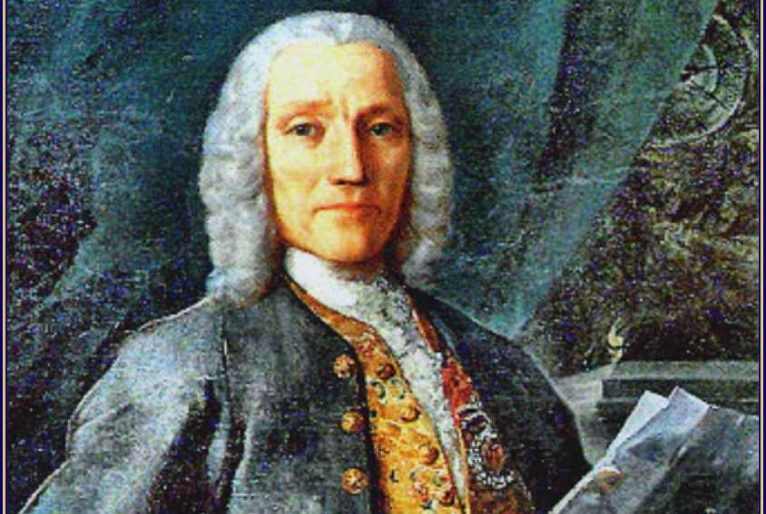
The 5 Greatest Compositions by Domenico Scarlatti
Domenico Scarlatti: The Master of the Keyboard Sonata
Domenico Scarlatti (1685–1757) was one of the most innovative composers of the Baroque period. Born in Naples, the same year as Johann Sebastian Bach and George Frideric Handel, Scarlatti forged an entirely unique musical language that transformed keyboard writing forever.
While he composed operas, sacred music, and chamber works early in his career, Scarlatti is remembered above all for his extraordinary collection of 555 keyboard sonatas, written primarily for the harpsichord. These works pushed the technical and expressive limits of keyboard performance and influenced generations of composers, from Haydn and Mozart to Chopin and Brahms.
Here are five of his most celebrated compositions.
1. Keyboard Sonata in D Minor, K. 141 (L. 422)
The Virtuosic Masterpiece
Perhaps Scarlatti’s most famous sonata, K. 141 is renowned for its breathtaking repeated-note passages, dazzling speed, and rhythmic vitality. It is one of the greatest technical challenges in the entire Baroque keyboard repertoire.
The sonata reflects the influence of Spanish folk music, incorporating guitar-like effects, dance rhythms, and brilliant ornamentation. Its relentless energy makes it a favorite among concert pianists and harpsichordists alike.
Why It Is Important
- Features extraordinary repeated-note technique.
- Demonstrates Scarlatti’s innovative keyboard writing.
- Combines Baroque elegance with Spanish musical influences.
- Frequently performed and recorded worldwide.
2. Keyboard Sonata in D Minor, K. 9 (L. 413) – “Pastoral”
A Model of Lyricism
Unlike many of Scarlatti’s highly virtuosic sonatas, K. 9 reveals his gift for lyrical expression. Its graceful melodic lines and gentle harmonic progressions create a serene, almost vocal atmosphere.
The sonata has become one of the composer’s most beloved works because of its emotional warmth and simplicity. It demonstrates that Scarlatti was not only a master of virtuosity but also a composer capable of profound musical poetry.
Why It Is Important
- One of Scarlatti’s most expressive compositions.
- Highlights elegant melodic writing.
- Frequently used in recordings and educational performances.
- Shows the emotional depth of his musical language.
3. Keyboard Sonata in E Major, K. 380 (L. 23)
Joyful Brilliance
K. 380 is celebrated for its radiant character and remarkable balance between technical brilliance and melodic beauty. The work unfolds with effortless elegance while demanding exceptional control from the performer.
Its lively rhythms and sparkling textures illustrate Scarlatti’s fascination with Spanish dance traditions, making it one of the finest examples of his mature style.
Why It Is Important
- Combines virtuosity with melodic charm.
- Rich in dance-inspired rhythms.
- A favorite in both piano and harpsichord repertoire.
- Exemplifies Scarlatti’s mature compositional style.
4. Keyboard Sonata in D Major, K. 96 (L. 465)
Innovation and Imagination
Among Scarlatti’s most inventive works, K. 96 showcases unexpected harmonic turns, dramatic contrasts, and brilliant figurations that were centuries ahead of their time.
The sonata demonstrates the composer’s remarkable ability to create excitement within a compact musical form. Its inventive keyboard textures would later inspire composers of the Classical era.
Why It Is Important
- Features bold harmonic experimentation.
- Rich in dramatic contrasts.
- Displays highly original keyboard techniques.
- Bridges the Baroque and Classical musical styles.
5. Keyboard Sonata in E Major, K. 531 (L. 430)
A Celebration of Keyboard Technique
One of Scarlatti’s late masterpieces, K. 531 is famous for its brilliant hand crossings, rapid scales, and sparkling figurations. It perfectly illustrates the composer’s mature approach to virtuosity.
Despite its technical demands, the sonata remains elegant and joyful, demonstrating Scarlatti’s remarkable ability to combine dazzling technique with refined musical expression.
Why It Is Important
- One of the finest examples of Scarlatti’s late style.
- Celebrated for spectacular hand-crossing passages.
- Frequently performed by leading concert pianists.
- Represents the culmination of his keyboard innovations.
Domenico Scarlatti’s Musical Legacy
Domenico Scarlatti revolutionized keyboard music. His sonatas introduced new techniques, expanded the expressive possibilities of the keyboard, and anticipated many characteristics of the Classical period.
His music combines Italian lyricism, Iberian rhythms, technical brilliance, and remarkable harmonic imagination. Today, his sonatas remain central to the repertoire of both pianists and harpsichordists, admired for their creativity, elegance, and enduring vitality.
Whether performed on the harpsichord or the modern piano, Scarlatti’s music continues to captivate audiences more than two and a half centuries after it was written, confirming his place among the greatest keyboard composers in the history of Western music.
Comments are closed