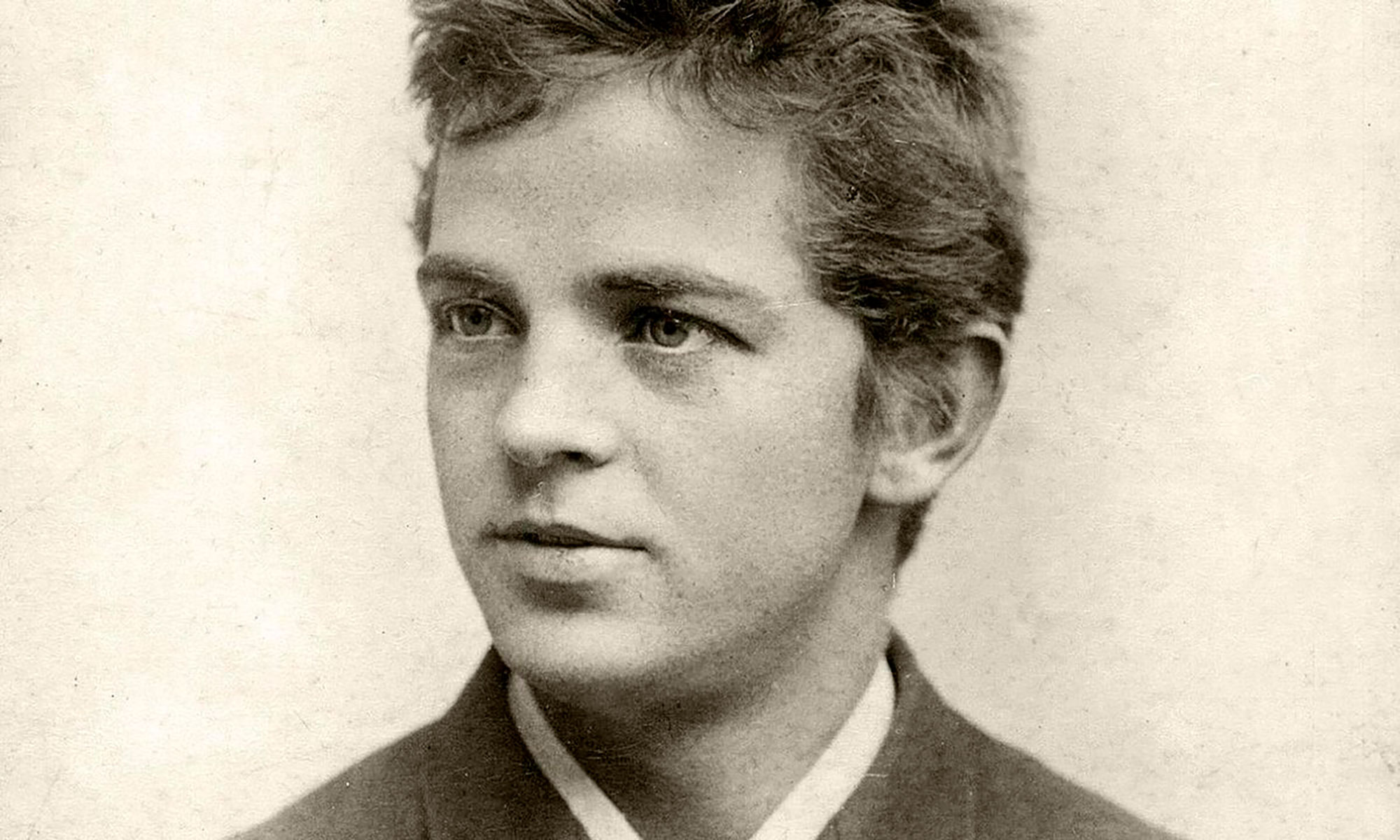
Carl Nielsen: A Complete Biography
Introduction
Carl Nielsen (1865–1931) stands as one of Denmark’s most revered composers and a key figure in the evolution of early 20th-century music. His work, marked by bold individuality and evolving modernism, bridged Romanticism and early modern trends, blending Nordic heritage with innovative structures. Celebrated for his six symphonies, concertos, operas, and chamber music, Nielsen’s music reflects a constant search for organic development and expressive freedom. His legacy holds a place alongside Sibelius and Mahler as one of the great symphonic voices of his time.
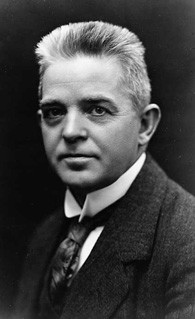
Childhood
Carl August Nielsen was born on June 9, 1865, in the small village of Sortelung, on the island of Funen, Denmark. The seventh of twelve children, Nielsen grew up in a modest, rural environment. His father, Niels Jørgensen, was a house painter and an amateur musician who played violin and cornet in local events. It was through his father that Nielsen received his first musical instruction.
As a child, Nielsen showed a natural ear for melody and rhythm. At the age of six, he began playing the violin and was soon introduced to the cornet and other instruments. His early experiences playing in village bands shaped his sense of practical musicianship and fostered a deep connection to folk traditions and tonal clarity.
Despite the family’s limited means, Nielsen’s talents were recognized early on. Encouraged by a local benefactor and his family, he pursued a formal education in music—a rarity for a boy from his background.
Youth
In 1879, at age 14, Nielsen enlisted as a military musician in the army band of Odense. The discipline of military life and the routine of daily practice further honed his musical skills. He earned a small income and gained experience playing a wide range of music, from marches to classical excerpts.
By 1884, Nielsen had saved enough to apply to the Royal Danish Academy of Music in Copenhagen, where he studied violin with Valdemar Tofte and music theory with Orla Rosenhoff. While he struggled somewhat with counterpoint at first, his imagination and independence soon flourished.
Nielsen’s exposure to the cosmopolitan artistic world of Copenhagen broadened his aesthetic sensibilities. He became acquainted with the works of Brahms, Wagner, and Grieg, while developing his own compositional voice—more contrapuntal, anti-Romantic, and rooted in classical clarity.
Adulthood
After graduating from the conservatory in 1886, Nielsen began his professional career as a violinist with the Royal Danish Orchestra in 1889, a position he would hold for sixteen years. Simultaneously, he continued composing, and his works slowly began to attract attention.
In 1891, he married the sculptor Anne Marie Brodersen, a strong-willed and talented woman who shared his passion for art. Their relationship, though supportive, was often strained by long periods of separation due to their respective careers and Nielsen’s internal conflicts.
Throughout the 1890s and early 1900s, Nielsen’s reputation grew in Denmark and abroad. He began receiving commissions and official recognition, including a government stipend and a position as director of the Copenhagen Conservatory in 1915. He also conducted regularly and published writings on music theory and aesthetics.
Nielsen’s adulthood was marked by personal challenges, including his wife’s extended absences, bouts of illness, and moments of deep creative crisis. Yet, it was during this period that he produced his most significant and enduring works.
Major Compositions
Nielsen’s major works reveal his evolving style and philosophical outlook. He resisted the excesses of late Romanticism and preferred a more organic approach to musical development.
Symphonies
His six symphonies represent the heart of his output:
- Symphony No. 1 in G minor (1892): Energetic and classically structured, this symphony established Nielsen’s voice.
- Symphony No. 2 “The Four Temperaments” (1902): A bold, programmatic work depicting the four classical temperaments—choleric, phlegmatic, melancholic, and sanguine.
- Symphony No. 3 “Sinfonia espansiva” (1911): Characterized by expansive themes and wordless vocal lines in the second movement.
- Symphony No. 4 “The Inextinguishable” (1916): Written during World War I, this work is an affirmation of life and resilience, culminating in a dramatic battle between two sets of timpani.
- Symphony No. 5 (1922): A two-movement work exploring chaos and resolution, featuring a snare drum improvised “rebel” part.
- Symphony No. 6 “Sinfonia semplice” (1925): Irreverent and experimental, often seen as a farewell to symphonic tradition.
Other Works
- Opera: Saul and David (1902) and Maskarade (1906): While “Saul and David” is more austere and Biblical, “Maskarade” remains Denmark’s national opera—lively, comic, and full of charm.
- Concertos: His Violin Concerto (1911) and Flute and Clarinet Concertos (1926 and 1928) showcase his instrumental understanding and individuality.
- Chamber Music: His string quartets, wind quintet (1922), and piano works remain central to the Danish chamber repertoire.
- Songs: Nielsen also composed hundreds of songs, many of which became national treasures in Denmark, emphasizing melody, clarity, and Danish identity.
Death
In his later years, Carl Nielsen’s health began to decline. He suffered from heart problems, which worsened throughout the 1920s. Despite these setbacks, he remained productive, completing his final compositions and continuing to write.
In 1931, he suffered a series of heart attacks and died on October 3 in Copenhagen at the age of 66. His funeral was a national event, and he was buried at Vestre Cemetery. Today, his grave remains a site of homage for music lovers.
His death marked the end of an era in Danish music, but also solidified his status as a national icon. The Carl Nielsen Museum in Odense preserves his legacy and personal artifacts.
Conclusion
Carl Nielsen was a composer of restless creativity, moral integrity, and national pride. His music remains a compelling blend of intellectual rigor and emotional directness. Though deeply rooted in Danish culture, his works transcend national boundaries and have earned a place in the global classical canon.
Unlike many of his contemporaries, Nielsen forged his own path—eschewing the prevailing Germanic trends for a distinct voice built on clarity, counterpoint, and evolving tonality. His legacy is felt not only in the Nordic countries but also in the broader world of music, where his symphonies and concertos continue to captivate audiences and performers alike.
Today, he stands beside Jean Sibelius and Leoš Janáček as one of the most important and idiosyncratic voices in early 20th-century European music.
Comments are closed