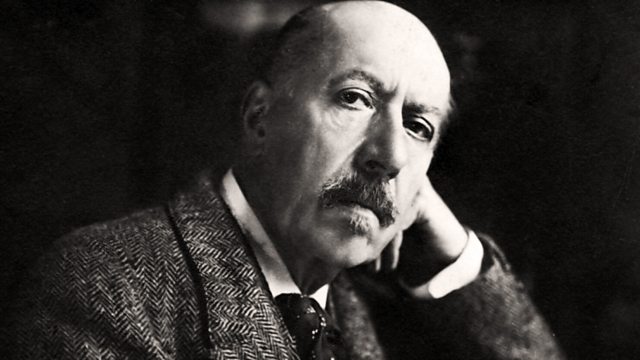
Charles-Marie Widor: The Master of the French Organ Symphony
Charles-Marie Widor (1844–1937) was one of the most influential French composers, organists, and teachers of the Romantic era. Best remembered as the long-serving organist at Saint-Sulpice Church in Paris, Widor transformed the possibilities of organ composition through his monumental series of ten Organ Symphonies. His innovative writing exploited the remarkable capabilities of the great Cavaillé-Coll organs, creating orchestral textures and dramatic musical architecture that forever changed the organ repertoire.
Beyond his achievements as an organist, Widor was also a respected professor at the Paris Conservatoire, where he taught composers such as Louis Vierne, Marcel Dupré, Darius Milhaud, and Arthur Honegger. His influence extended well beyond his own compositions, shaping an entire generation of French musicians.
The following five works represent the pinnacle of Widor’s musical legacy and continue to be performed regularly in concert halls and churches throughout the world.
1. Organ Symphony No. 5 in F Minor, Op. 42 No. 1
Composed: 1879–1880
Among all of Widor’s compositions, the Fifth Organ Symphony stands as his undisputed masterpiece. It is one of the most celebrated works ever written for the organ and remains a cornerstone of the instrument’s repertoire.
The symphony consists of five movements that demonstrate Widor’s extraordinary ability to combine symphonic structure with the expressive power of the organ. Rich harmonic language, brilliant counterpoint, and dramatic contrasts characterize the work from beginning to end.
Its concluding movement, the famous Toccata, has become one of the most recognizable pieces in classical music. Brilliant, energetic, and technically demanding, it is frequently performed during weddings, festive church services, and organ recitals. Despite its immense popularity, the Toccata represents only a small portion of a symphony whose musical depth extends far beyond its famous finale.
Why it is important
- Widor’s best-known composition.
- Revolutionized Romantic organ literature.
- Introduced orchestral thinking into organ music.
- Contains the world-famous Toccata.
2. Organ Symphony No. 6 in G Minor, Op. 42 No. 2
Composed: 1879–1880
Often considered the dramatic counterpart to the Fifth Symphony, the Sixth Organ Symphony is a monumental display of power and virtuosity.
The opening movement immediately captures the listener with bold thematic statements and an impressive sense of grandeur. Throughout the work, Widor balances brilliant technical passages with moments of lyrical introspection, creating a musical narrative that is both emotionally compelling and architecturally sophisticated.
The Finale is particularly admired for its relentless energy and brilliant writing, making it a favorite among concert organists.
Why it is important
- One of the most technically demanding Romantic organ works.
- Displays Widor’s mature symphonic style.
- Frequently programmed in international organ recitals.
- Demonstrates the full expressive range of the French symphonic organ.
3. Organ Symphony No. 10 “Romane”, Op. 73
Composed: 1899–1900
The Tenth Symphony, commonly known as the Romane Symphony, represents the culmination of Widor’s artistic development.
Inspired by Gregorian chant, particularly the Easter sequence Haec Dies, the work combines medieval sacred melodies with rich Romantic harmonies. Rather than relying primarily on virtuosity, Widor focuses on spiritual atmosphere, thematic unity, and architectural elegance.
The Romane Symphony reflects a composer who had moved beyond technical brilliance toward profound musical contemplation. It is widely regarded as one of the greatest sacred works for organ ever written.
Why it is important
- Integrates Gregorian chant into a symphonic framework.
- Represents Widor’s mature compositional voice.
- Rich in spiritual and liturgical symbolism.
- Considered one of the masterpieces of sacred organ literature.
4. Organ Symphony No. 9 “Gothique”, Op. 70
Composed: 1894–1895
The Gothic Symphony is one of Widor’s most ambitious compositions, inspired by the grandeur of medieval cathedrals and the spiritual heritage of France.
Like the Romane Symphony, it incorporates Gregorian melodies, particularly the Christmas chant Puer Natus Est. The work unfolds with majestic architectural proportions, evoking soaring cathedral vaults and magnificent stained-glass windows through music.
Its expansive themes, refined orchestration for organ, and profound spirituality make it one of the most admired examples of the French symphonic organ tradition.
Why it is important
- Inspired by Gothic architecture.
- Uses Gregorian chant as thematic material.
- Combines monumental scale with religious expression.
- Frequently regarded as one of Widor’s finest later works.
5. Bach’s Memento, Op. 78
Composed: 1908
Although less frequently performed than the Organ Symphonies, Bach’s Memento occupies a unique place in Widor’s output.
Rather than simply imitating Johann Sebastian Bach, Widor pays tribute to the Baroque master by integrating Bachian contrapuntal techniques into his own Romantic musical language. The work reveals Widor’s deep admiration for Bach while demonstrating how historical styles could be reimagined through modern harmonic and expressive resources.
This composition reflects the intellectual side of Widor’s artistry and his belief that tradition and innovation should coexist.
Why it is important
- Honors the musical legacy of J.S. Bach.
- Combines Baroque counterpoint with Romantic harmony.
- Demonstrates Widor’s scholarly understanding of musical history.
- Highlights his versatility as a composer.
Charles Widor’s Lasting Legacy
Charles-Marie Widor fundamentally redefined organ composition by treating the instrument as a complete symphonic orchestra. His Organ Symphonies established a new genre that inspired later composers such as Louis Vierne, Marcel Dupré, Charles Tournemire, and Maurice Duruflé.
Today, Widor’s music remains central to the international organ repertoire. His works are regularly performed in cathedrals, concert halls, music festivals, and conservatories around the world. The Fifth Symphony’s Toccata has become one of the most recognizable organ compositions ever written, while his later symphonies continue to fascinate musicians through their depth, craftsmanship, and spiritual richness.
Comments are closed