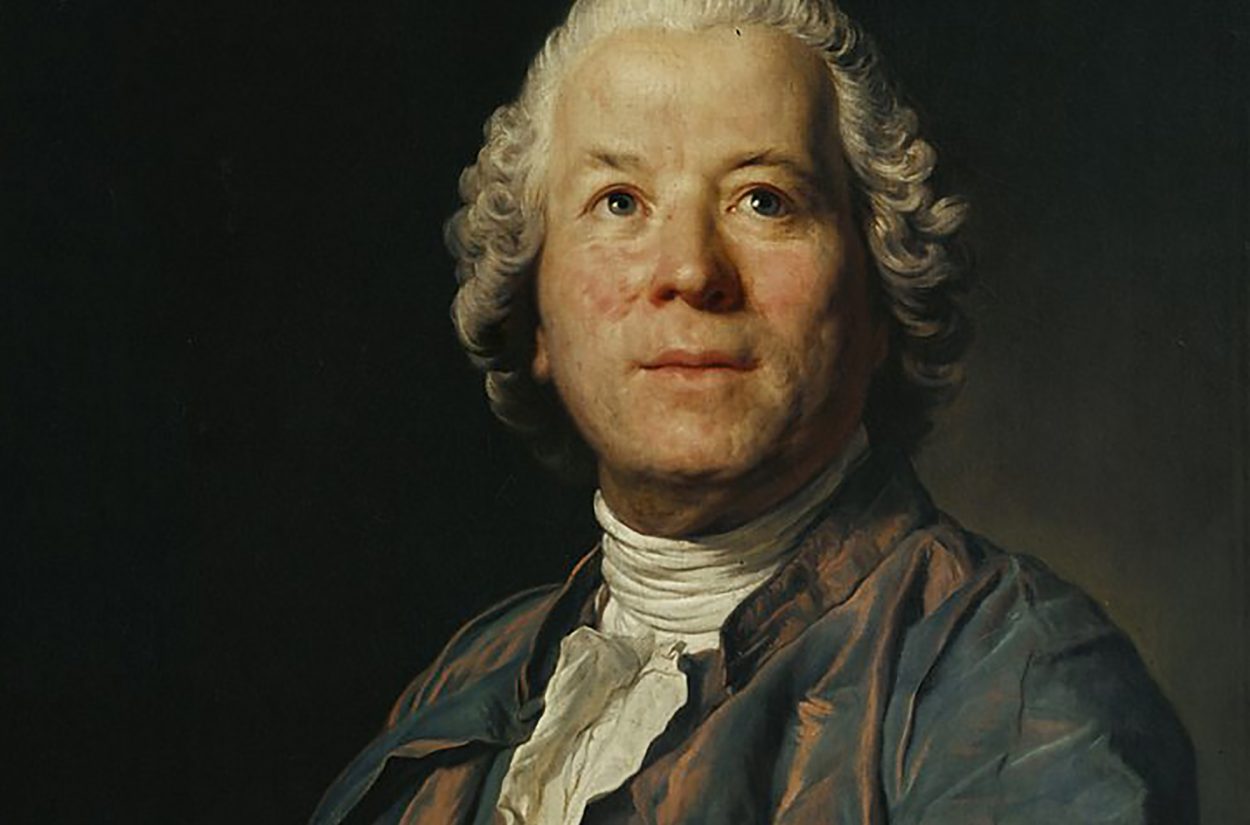
Christoph Willibald Gluck: The Composer Who Transformed Opera
Christoph Willibald Gluck (1714–1787) was one of the most influential composers of the Classical era. Best known for reforming eighteenth-century opera, Gluck sought to replace excessive vocal ornamentation with dramatic clarity, emotional truth, and music that served the story rather than showcasing technical virtuosity.
His innovations paved the way for later composers such as Wolfgang Amadeus Mozart and influenced the development of nineteenth-century opera. Today, Gluck’s greatest works remain staples of the operatic repertoire and are celebrated for their expressive power and elegant musical language.
This article explores the five most important compositions by Christoph Willibald Gluck, highlighting their historical significance, musical innovations, and enduring legacy.
1. Orfeo ed Euridice (1762)
Overview
Orfeo ed Euridice is widely regarded as Gluck’s masterpiece and the cornerstone of his operatic reforms. Premiering in Vienna in 1762, it retells the ancient Greek myth of Orpheus, who descends into the underworld to rescue his beloved Eurydice.
Rather than emphasizing elaborate vocal display, Gluck focused on emotional sincerity, dramatic coherence, and expressive orchestration.
Why It Is Important
Before Gluck, opera seria often prioritized dazzling singers over compelling storytelling. Orfeo ed Euridice reversed this approach by making music serve the drama.
Its simplicity, directness, and emotional depth marked a revolutionary turning point in operatic history.
Famous Musical Highlights
- “Che farò senza Euridice”
- Dance of the Blessed Spirits
- Chorus of the Furies
Legacy
The opera remains one of the most frequently performed eighteenth-century operas and has inspired generations of composers, conductors, and directors.
2. Alceste (1767)
Overview
Premiering five years after Orfeo ed Euridice, Alceste represents Gluck’s reform ideals in their purest form.
Based on Greek mythology, the opera tells the story of Queen Alceste, who willingly sacrifices her own life to save her husband, King Admetus.
Why It Is Important
The preface to Alceste became Gluck’s artistic manifesto. In it, he argued that music should support poetry and dramatic expression rather than exist solely for technical brilliance.
This document remains one of the most influential statements in operatic history.
Musical Characteristics
- Noble orchestration
- Powerful choruses
- Strong dramatic pacing
- Emotional realism
Legacy
Alceste established Gluck as the leading advocate of operatic reform throughout Europe.
3. Iphigénie en Tauride (1779)
Overview
Many musicologists consider Iphigénie en Tauride to be Gluck’s greatest dramatic achievement.
Premiering in Paris, the opera tells the tragic story of Iphigenia, daughter of Agamemnon, who unknowingly reunites with her brother Orestes after years of separation.
Why It Is Important
The opera combines psychological intensity with remarkable musical restraint. Every scene advances the narrative, creating a tightly constructed dramatic experience.
Musical Highlights
- Expressive orchestral writing
- Rich choral scenes
- Intense dramatic recitatives
- Emotional final reconciliation
Legacy
The work became one of the defining French operas of the eighteenth century and remains a favorite among opera companies worldwide.
4. Iphigénie en Aulide (1774)
Overview
Written for the Paris Opéra, Iphigénie en Aulide marked Gluck’s successful introduction to French audiences.
The opera portrays the events leading to the sacrifice of Iphigenia before the Greek fleet sails to Troy.
Why It Is Important
This work demonstrated Gluck’s ability to adapt his reform principles to French operatic traditions while preserving dramatic unity.
The opera was admired by later composers, including Richard Wagner, who produced a revised version in the nineteenth century.
Musical Characteristics
- Grand choruses
- Powerful orchestral textures
- Dramatic ensembles
- Strong theatrical pacing
Legacy
Its success secured Gluck’s reputation in Paris and opened the way for his later French masterpieces.
5. Armide (1777)
Overview
Based on Torquato Tasso’s Jerusalem Delivered, Armide tells the story of the sorceress Armide, who falls in love with the Christian knight Renaud despite intending to destroy him.
Why It Is Important
Unlike many operas of its time, Armide focuses on the psychological conflict of its central character.
Gluck created one of opera’s earliest complex female protagonists, balancing passion, vulnerability, and dramatic tension.
Musical Highlights
- Rich orchestration
- Dramatic monologues
- Expressive recitatives
- Beautiful ballet sequences
Legacy
Armide remains one of the finest examples of French Classical opera and showcases Gluck’s mature compositional style.
Gluck’s Lasting Influence on Classical Music
Gluck’s reforms fundamentally changed the course of opera. Instead of treating singers as the central attraction, he integrated music, drama, text, and staging into a unified artistic experience.
His influence can be seen in the operas of:
- Wolfgang Amadeus Mozart
- Luigi Cherubini
- Ludwig van Beethoven
- Hector Berlioz
- Richard Wagner
Many scholars consider Gluck to be the bridge between the Baroque traditions of Handel and the mature Classical operas of Mozart.
Comments are closed