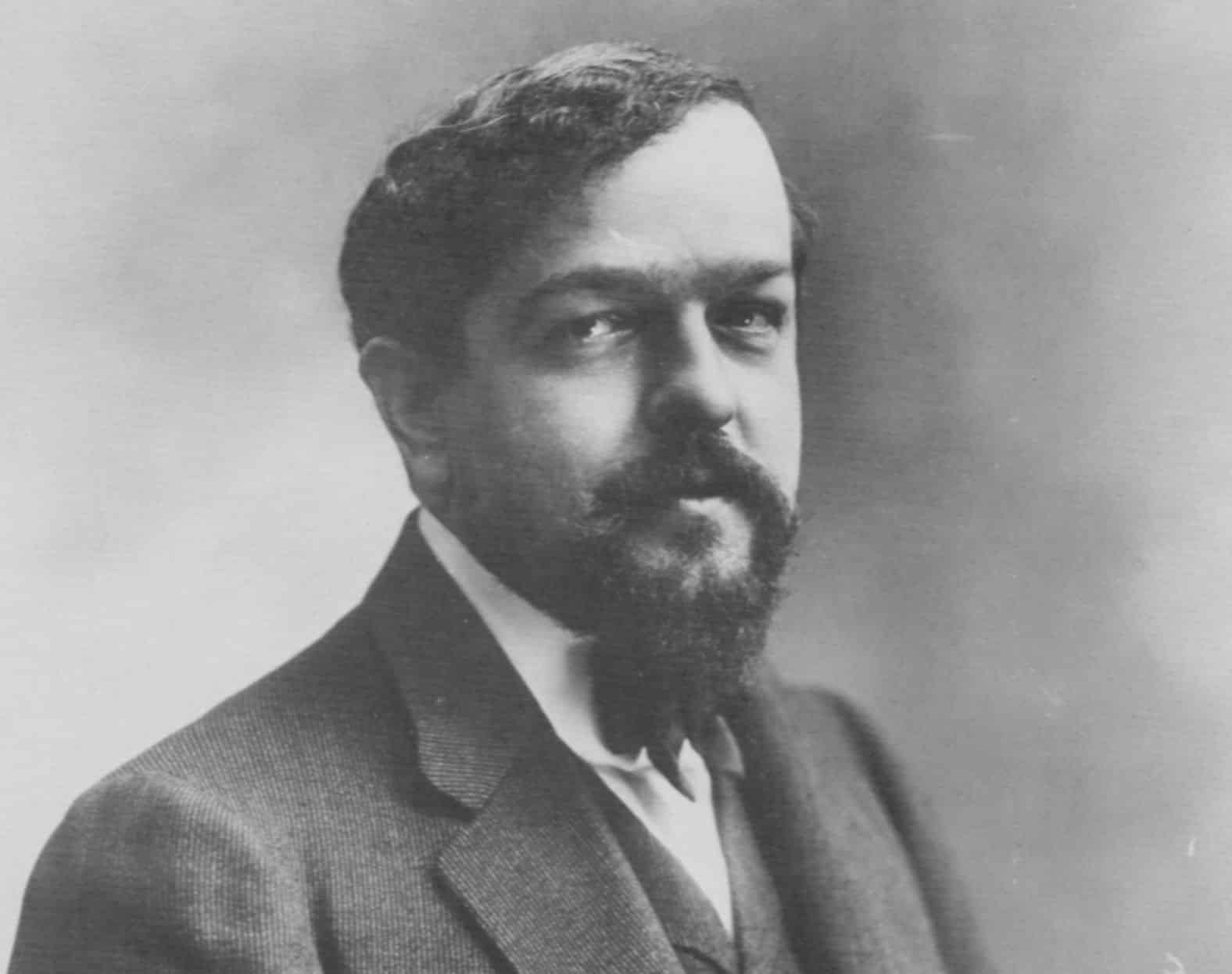
Claude Debussy: The Composer Who Redefined Music
Claude Debussy (1862–1918) is widely regarded as one of the most influential composers in the history of Western classical music. Often associated with musical Impressionism, Debussy developed a highly original style characterized by rich harmonies, innovative orchestration, and evocative melodies inspired by nature, poetry, and visual art.
Rather than following the strict forms of the Romantic era, Debussy sought to create atmosphere, color, and emotion through sound. His music transformed the language of composition and influenced generations of composers, from Maurice Ravel and Béla Bartók to modern film composers.
If you’re beginning your journey into Debussy’s music, these five masterpieces are the perfect place to start.
1. Clair de Lune (Suite bergamasque)
The Most Famous Piano Piece by Debussy
Perhaps no work by Debussy is more recognizable than Clair de Lune (“Moonlight”). It is the third movement of his piano suite Suite bergamasque and has become one of the most beloved piano compositions ever written.
Inspired by a poem by the French Symbolist poet Paul Verlaine, the piece captures a dreamlike atmosphere through delicate melodies and shimmering harmonies. Rather than dramatic climaxes, Debussy allows the music to unfold gently, creating an almost hypnotic sense of calm.
Why It Matters
- One of the most performed piano works in history.
- A perfect introduction to Debussy’s musical language.
- Frequently featured in films, television, and popular culture.
Recommended for: First-time listeners and piano enthusiasts.
2. Prélude à l’après-midi d’un faune
The Orchestral Work That Changed Music
Composed in 1894, Prélude à l’après-midi d’un faune (“Prelude to the Afternoon of a Faun”) is considered one of the greatest orchestral works ever written.
Inspired by the poem of Stéphane Mallarmé, the music abandons traditional forms in favor of fluid musical ideas that seem to drift effortlessly. The famous opening flute solo immediately establishes a mysterious and sensual atmosphere.
Many music historians consider this composition the beginning of musical modernism.
Why It Matters
- Revolutionized orchestral composition.
- Introduced new approaches to harmony and orchestration.
- Inspired countless composers during the twentieth century.
Recommended for: Anyone interested in orchestral music or music history.
3. La Mer
Debussy’s Musical Portrait of the Sea
Completed in 1905, La Mer (“The Sea”) is a symphonic work in three movements that depicts the changing moods and power of the ocean.
Rather than simply describing waves, Debussy paints vivid sonic landscapes using brilliant orchestration and constantly shifting textures. The music captures everything from calm waters to violent storms with remarkable imagination.
The Three Movements
- From Dawn to Noon on the Sea
- Play of the Waves
- Dialogue of the Wind and the Sea
Why It Matters
- Considered one of the greatest orchestral masterpieces ever composed.
- Demonstrates Debussy’s extraordinary command of orchestral color.
- Continues to be a favorite of major orchestras worldwide.
Recommended for: Listeners who enjoy cinematic and atmospheric orchestral music.
4. Arabesque No. 1
Elegance and Simplicity
Although composed early in Debussy’s career, Arabesque No. 1 already reveals many characteristics that would define his mature style.
The flowing melodies, graceful rhythms, and luminous harmonies create a sense of effortless beauty. While technically less demanding than some of Debussy’s later works, it remains one of his most beloved piano compositions.
Why It Matters
- Ideal for listeners new to classical piano music.
- Frequently performed by students and professional pianists alike.
- Beautiful balance of lyricism and sophistication.
Recommended for: Relaxation, study, and quiet listening.
5. Children’s Corner
A Charming Collection for Piano
Children’s Corner is a suite of six piano pieces composed between 1906 and 1908 and dedicated to Debussy’s daughter, Claude-Emma (“Chouchou”).
Despite its playful title, the suite is filled with wit, imagination, and technical brilliance. Each movement depicts a different childhood scene or toy.
The most famous movement, Golliwogg’s Cakewalk, combines ragtime influences with Debussy’s unmistakable harmonic style.
The Six Pieces
- Doctor Gradus ad Parnassum
- Jimbo’s Lullaby
- Serenade for the Doll
- The Snow Is Dancing
- The Little Shepherd
- Golliwogg’s Cakewalk
Why It Matters
- Displays Debussy’s lighter and more humorous side.
- Combines elegance with playful creativity.
- A favorite among pianists and audiences alike.
Recommended for: Families, piano lovers, and listeners seeking charming miniature works.
Debussy’s Lasting Legacy
Claude Debussy fundamentally transformed classical music by expanding the possibilities of harmony, rhythm, and orchestration. His works encourage listeners to experience music not merely as structured compositions but as landscapes of color, atmosphere, and emotion.
More than a century after his death, his influence can still be heard in classical music, jazz, film scores, and contemporary composition. Whether through the serene beauty of Clair de Lune, the revolutionary sound world of Prélude à l’après-midi d’un faune, or the breathtaking orchestration of La Mer, Debussy continues to inspire audiences around the globe.
Comments are closed