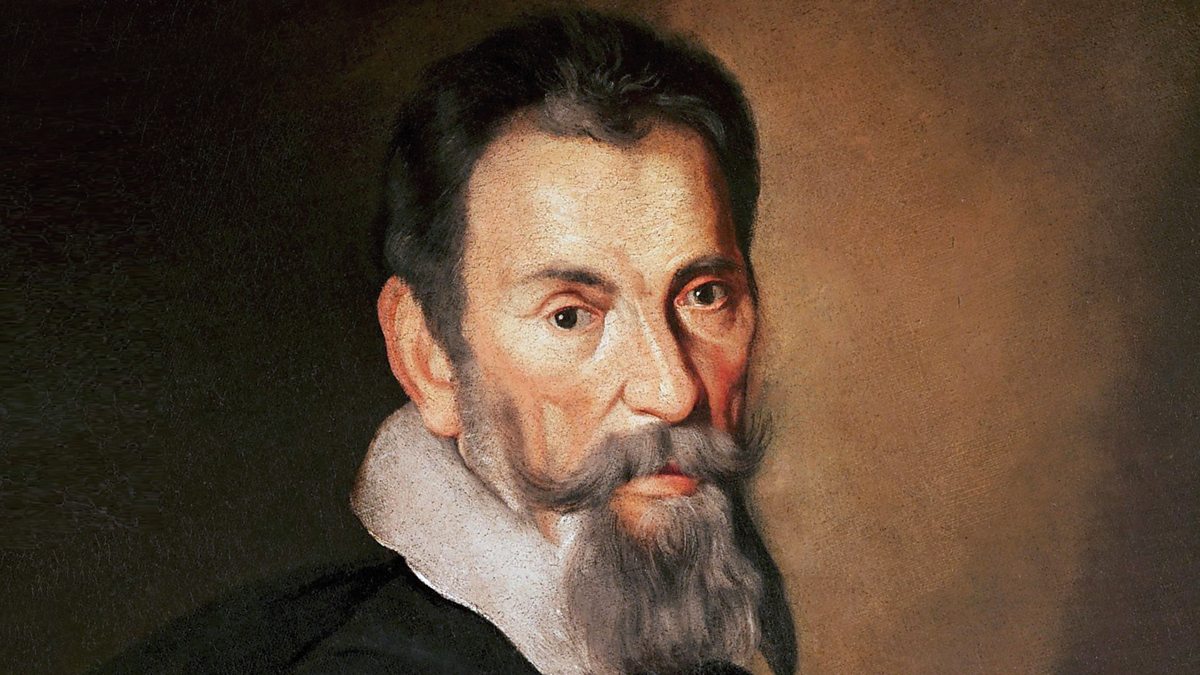
Claudio Monteverdi: The Composer Who Bridged the Renaissance and the Baroque
Claudio Monteverdi (1567–1643) stands as one of the most influential composers in Western music. Often regarded as the musician who transformed Renaissance polyphony into the expressive language of the Baroque era, Monteverdi revolutionized composition through emotional intensity, dramatic storytelling, and innovative harmonic techniques.
His works laid the foundations for opera as an artistic genre while also reshaping sacred and secular vocal music. Even today, his compositions remain central to concert repertoires and are admired for their beauty, originality, and emotional depth.
This article explores five of Monteverdi’s most significant compositions and explains why they continue to inspire performers, scholars, and audiences around the world.
1. L’Orfeo (1607)
The First Great Opera
Among Monteverdi’s achievements, L’Orfeo is widely considered the first operatic masterpiece. Premiered in Mantua in 1607, it demonstrated that opera could become a sophisticated and emotionally compelling art form rather than simply a courtly entertainment.
Based on the Greek myth of Orpheus and Eurydice, the opera follows the legendary musician who descends into the Underworld in an attempt to rescue his beloved wife through the power of music.
Why It Is Important
- One of the earliest operas still regularly performed.
- Combines Renaissance vocal traditions with innovative dramatic techniques.
- Features remarkable orchestration for its time.
- Establishes music as a vehicle for psychological expression.
Monteverdi’s ability to match musical language with human emotion became a defining characteristic of Baroque opera.
2. Vespro della Beata Vergine (1610)
A Monument of Sacred Music
The Vespers of the Blessed Virgin is one of the greatest sacred works ever written.
Published in 1610, this monumental collection combines psalms, hymns, motets, and the Magnificat into a work of extraordinary artistic ambition.
Rather than simply composing liturgical music, Monteverdi fused Renaissance polyphony with modern Baroque expressiveness, creating a work that is both spiritually uplifting and technically brilliant.
Musical Highlights
- Rich choral writing.
- Virtuosic solo vocal passages.
- Innovative instrumental accompaniment.
- Dramatic contrasts between intimate and majestic sections.
Many musicologists regard this work as one of the supreme achievements of sacred music, alongside the masterpieces of Bach and Handel.
3. Il ritorno d’Ulisse in patria (1640)
Homer Brought to Life
Based on Homer’s Odyssey, Il ritorno d’Ulisse in patria (“The Return of Ulysses to His Homeland”) tells the story of Odysseus returning home after twenty years away.
Unlike earlier operas that focused mainly on spectacle, Monteverdi concentrated on the emotional complexity of his characters.
The opera explores:
- loyalty,
- perseverance,
- love,
- justice,
- human suffering.
The music is remarkably expressive, allowing each character’s psychology to emerge naturally through melody and recitative.
This work represents a mature stage of Monteverdi’s operatic style.
4. L’incoronazione di Poppea (1643)
One of the Greatest Operas Ever Written
Completed shortly before Monteverdi’s death, L’incoronazione di Poppea is often considered his crowning achievement.
Unlike many earlier operas based on mythology, this work draws from Roman history, depicting the relationship between Emperor Nero and Poppea.
What makes the opera extraordinary is its moral ambiguity.
There are no idealized heroes.
Instead, audiences encounter:
- ambition,
- political manipulation,
- jealousy,
- sensuality,
- human desire.
Remarkably, the morally questionable characters ultimately triumph, making the opera psychologically sophisticated even by modern standards.
The famous final duet, “Pur ti miro,” remains one of the most celebrated love duets in opera history.
5. Madrigals (Books 1–8)
The Evolution of the Italian Madrigal
Monteverdi’s eight published books of madrigals document the evolution of his musical language across more than fifty years.
Beginning in the refined Renaissance style, the collection gradually embraces the expressive innovations that define the Baroque period.
Among the most famous selections are:
- Cruda Amarilli
- Si ch’io vorrei morire
- Lamento della Ninfa
- Combattimento di Tancredi e Clorinda
These works introduced daring harmonic progressions, vivid word painting, and unprecedented emotional realism.
Why They Matter
The madrigals reveal Monteverdi’s continuous artistic development and his belief that music should serve the emotional meaning of the text.
This philosophy became one of the defining principles of Baroque composition.
Monteverdi’s Lasting Legacy
Claudio Monteverdi transformed the course of Western music.
His innovations in harmony, orchestration, vocal writing, and dramatic expression established many of the conventions that later composers—including Handel, Bach, Mozart, and even Verdi—would develop further.
Comments are closed