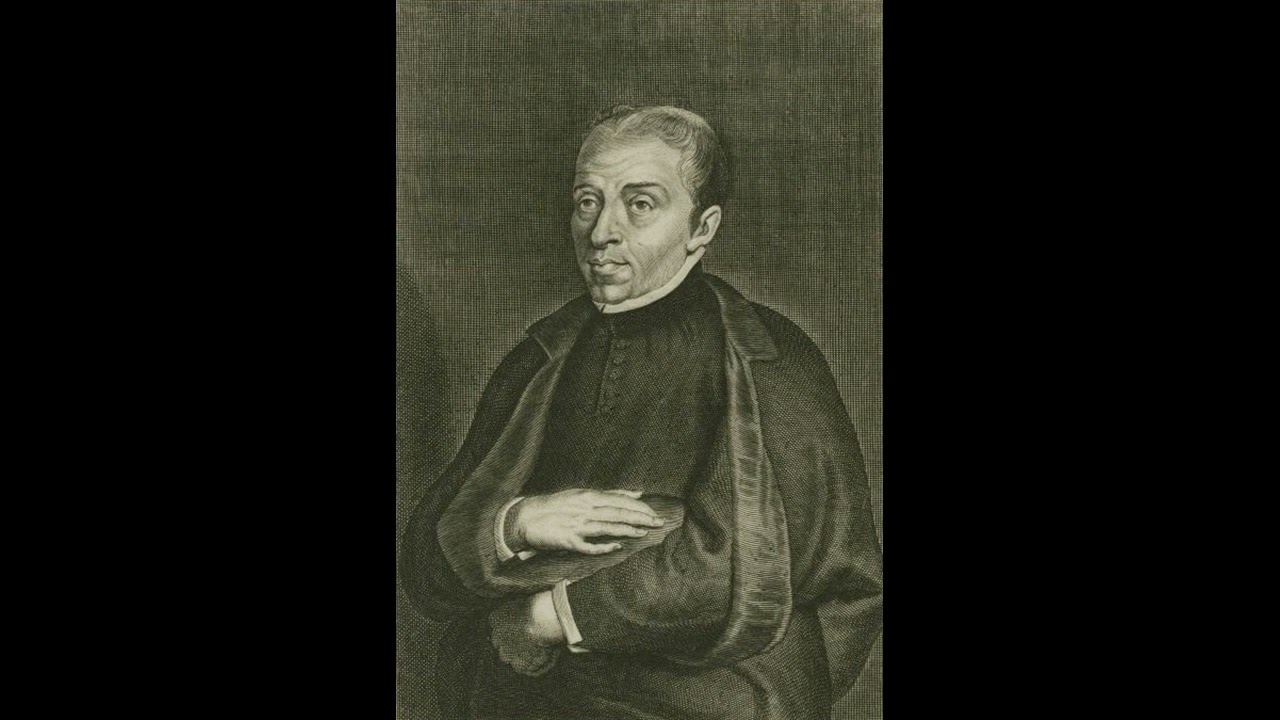
Masterpieces of Portuguese Renaissance Sacred Music
Duarte Lobo: The Greatest Master of Portuguese Polyphony
Duarte Lobo (c. 1565–1646) stands among the most important composers of the late Renaissance and early Baroque. Although he lived during the emergence of the Baroque era, his music remained deeply rooted in the refined contrapuntal tradition established by Giovanni Pierluigi da Palestrina, while developing a distinctive Portuguese style marked by clarity, balance, and expressive depth.
A pupil of Manuel Mendes in Évora, Lobo later became chapel master at Lisbon Cathedral and one of the leading figures of the Portuguese Golden Age of Polyphony. His sacred music was widely admired throughout Europe and published in Antwerp by the renowned Plantin Press, ensuring its international circulation.
Among his extensive body of liturgical works, five compositions stand out for their historical significance, artistic excellence, and enduring influence.
1. Officium Defunctorum (1603)
Duarte Lobo’s Masterpiece of Sacred Mourning
The Officium Defunctorum (“Office of the Dead”) is widely regarded as Duarte Lobo’s finest achievement and one of the greatest funeral liturgical works of the Renaissance.
Written for the Catholic Office of the Dead, the composition combines profound spirituality with extraordinary contrapuntal craftsmanship. Rather than seeking dramatic emotional effects, Lobo creates an atmosphere of solemn contemplation through carefully balanced vocal lines and rich harmonic textures.
The work demonstrates the maturity of Portuguese Renaissance polyphony and remains a cornerstone of early seventeenth-century sacred music.
Highlights
- Published in 1603
- Designed for the Office of the Dead
- Rich six- and eight-part polyphony
- Deeply meditative character
- Considered one of the greatest Portuguese sacred compositions
2. Missa Pro Defunctis (Requiem Mass)
One of the Finest Renaissance Requiems
The Missa Pro Defunctis is perhaps Duarte Lobo’s most frequently performed work today. Often simply called the Requiem, it exemplifies the serene dignity that characterizes Portuguese sacred music.
Unlike later dramatic Requiems by composers such as Mozart or Verdi, Lobo’s setting emphasizes spiritual peace and eternal rest. Every movement unfolds naturally through smooth imitation between voices, avoiding theatrical contrasts while maintaining remarkable emotional intensity.
Its transparent textures and masterful counterpoint have made it a favorite among professional early music ensembles worldwide.
Highlights
- One of Lobo’s best-known works
- Exceptional vocal writing
- Ideal example of Renaissance liturgical music
- Frequently performed and recorded by leading early music ensembles
3. Cantica Beatae Virginis (1605)
Magnificats in Honor of the Virgin Mary
Published in 1605, Cantica Beatae Virginis contains sixteen Magnificat settings dedicated to the Virgin Mary.
These works reveal another aspect of Lobo’s compositional genius. While maintaining strict contrapuntal discipline, he introduces remarkable variety in texture, vocal dialogue, and harmonic color. Each Magnificat reflects a different liturgical mode, allowing performers to experience a wide range of expressive possibilities.
The collection became one of the defining Marian works of Portuguese Renaissance music and remains an essential source for scholars and performers alike.
Highlights
- Published in 1605
- Sixteen Magnificat settings
- Rich modal variety
- Masterful Marian liturgical music
4. Liber Missarum I (1621)
A Monument of Renaissance Mass Composition
Printed in Antwerp in 1621, Liber Missarum I gathers several of Duarte Lobo’s most important Masses.
The collection includes celebrated works such as:
- Missa de Beata Virgine
- Missa Sancta Maria
- Missa Dicebat Jesus
- Missa Elisabeth Zachariae
- Missa Cantate Domino
- Missa Pro Defunctis
Many of these Masses are parody masses, a respected Renaissance technique in which existing sacred melodies are transformed into entirely new polyphonic settings. Lobo demonstrates extraordinary inventiveness, creating music that is simultaneously intellectually rigorous and spiritually uplifting.
Highlights
- Published in Antwerp
- Collection of major Mass settings
- Includes several of Lobo’s most celebrated compositions
- Represents the height of Portuguese Renaissance liturgical writing
5. Liber Missarum II (1639)
The Mature Style of Duarte Lobo
Published late in Lobo’s career, Liber Missarum II reflects the culmination of his artistic development.
Among its most celebrated works is the Missa Vox Clamantis, admired for its architectural balance, elegant counterpoint, and expressive restraint.
Despite the growing popularity of the Baroque style elsewhere in Europe, Lobo remained faithful to Renaissance polyphony, demonstrating that the older style could still achieve remarkable expressive power.
This final collection represents the maturity of one of Europe’s last great Renaissance masters.
Highlights
- Published in 1639
- Includes the famous Missa Vox Clamantis
- Represents Lobo’s mature compositional style
- One of the last great publications of Renaissance polyphony
Duarte Lobo’s Musical Legacy
Duarte Lobo occupies a unique place in European music history. Alongside Manuel Cardoso and Filipe de Magalhães, he helped establish Portugal as one of the leading centers of Renaissance sacred music.
His compositions combine:
- Refined counterpoint inspired by Palestrina
- Exceptional vocal balance
- Expressive harmonic language
- Deep spiritual character
- Timeless liturgical beauty
Today, his music continues to be performed and recorded by leading early music ensembles around the world, ensuring that his contribution to Renaissance polyphony remains alive more than four centuries after its creation.
Comments are closed