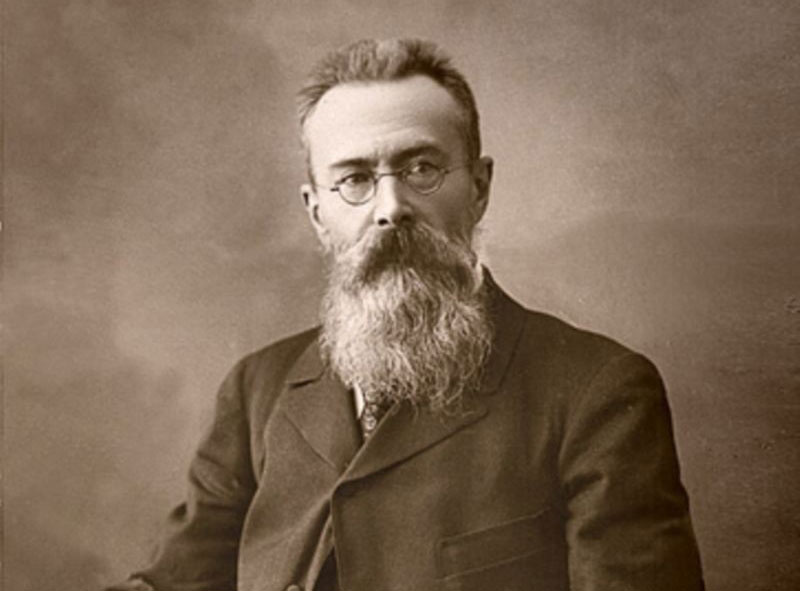
Korsakov – Scheherazade, Op. 35
Among the glittering gems of Russian orchestral music, Scheherazade, Op. 35 stands out as a dazzling example of musical storytelling and orchestral color. Composed by[…]
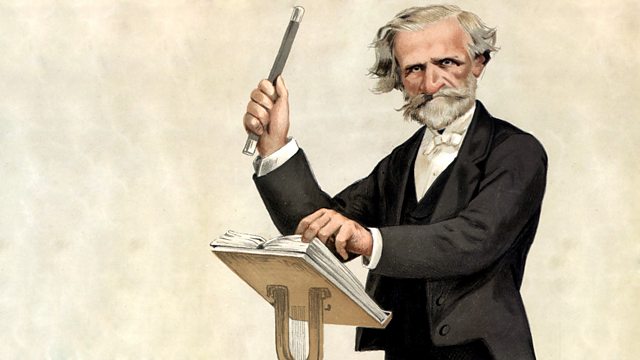
Verdi – Nabucco
When we think of the great Italian operas that shaped the 19th century, Nabucco by Giuseppe Verdi stands out not only as a musical masterpiece[…]
Verdi – Rigoletto
Rigoletto is one of the most celebrated operas in the history of classical music, composed by the great Italian maestro Giuseppe Verdi. Premiered in 1851,[…]
Verdi – Falstaff
Falstaff, Giuseppe Verdi’s final opera, stands as a triumphant farewell from one of the greatest composers in the history of classical music. Premiered in 1893[…]
Verdi – Otello
Otello, composed by Giuseppe Verdi, stands as one of the most powerful and emotionally intense operas in the history of classical music. Premiered in 1887,[…]
Verdi – Aida
Giuseppe Verdi’s opera Aida is one of the most celebrated works in the history of classical music and opera. With its dramatic plot, exotic setting,[…]
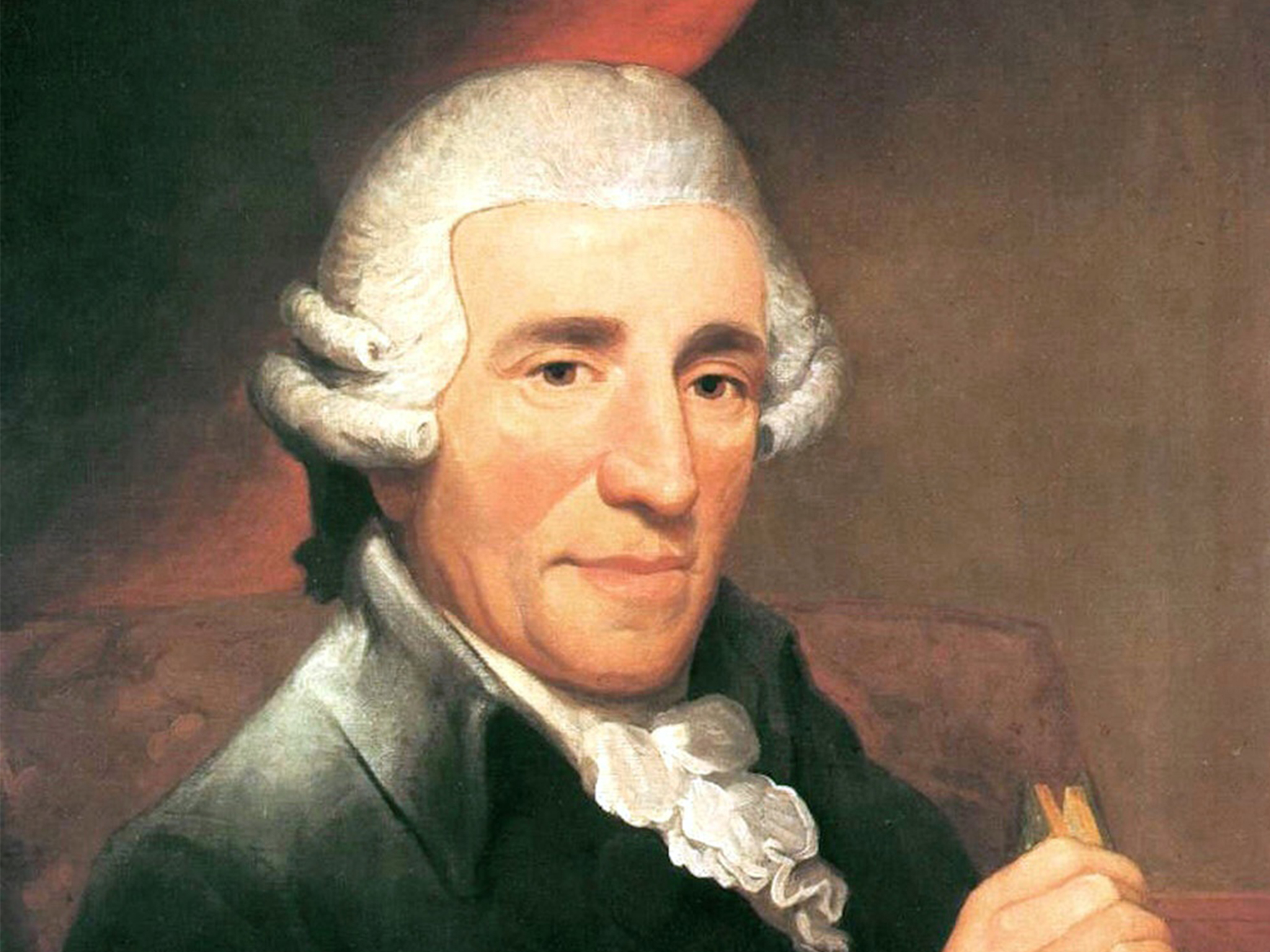
Haydn – Cello Concerto No. 1
Joseph Haydn’s Cello Concerto No. 1 in C major, Hob. VIIb:1, stands as one of the most remarkable rediscoveries in classical music history. Composed around[…]
Haydn – ‘Emperor’ String Quartet
Among the towering achievements of the Classical era, few chamber works possess the emotional resonance and historical significance of Joseph Haydn’s “Emperor” String Quartet, officially[…]
Haydn – The Creation
One of the crowning achievements of Joseph Haydn’s illustrious career, The Creation (Die Schöpfung) stands as a monumental work in the history of Western music.[…]
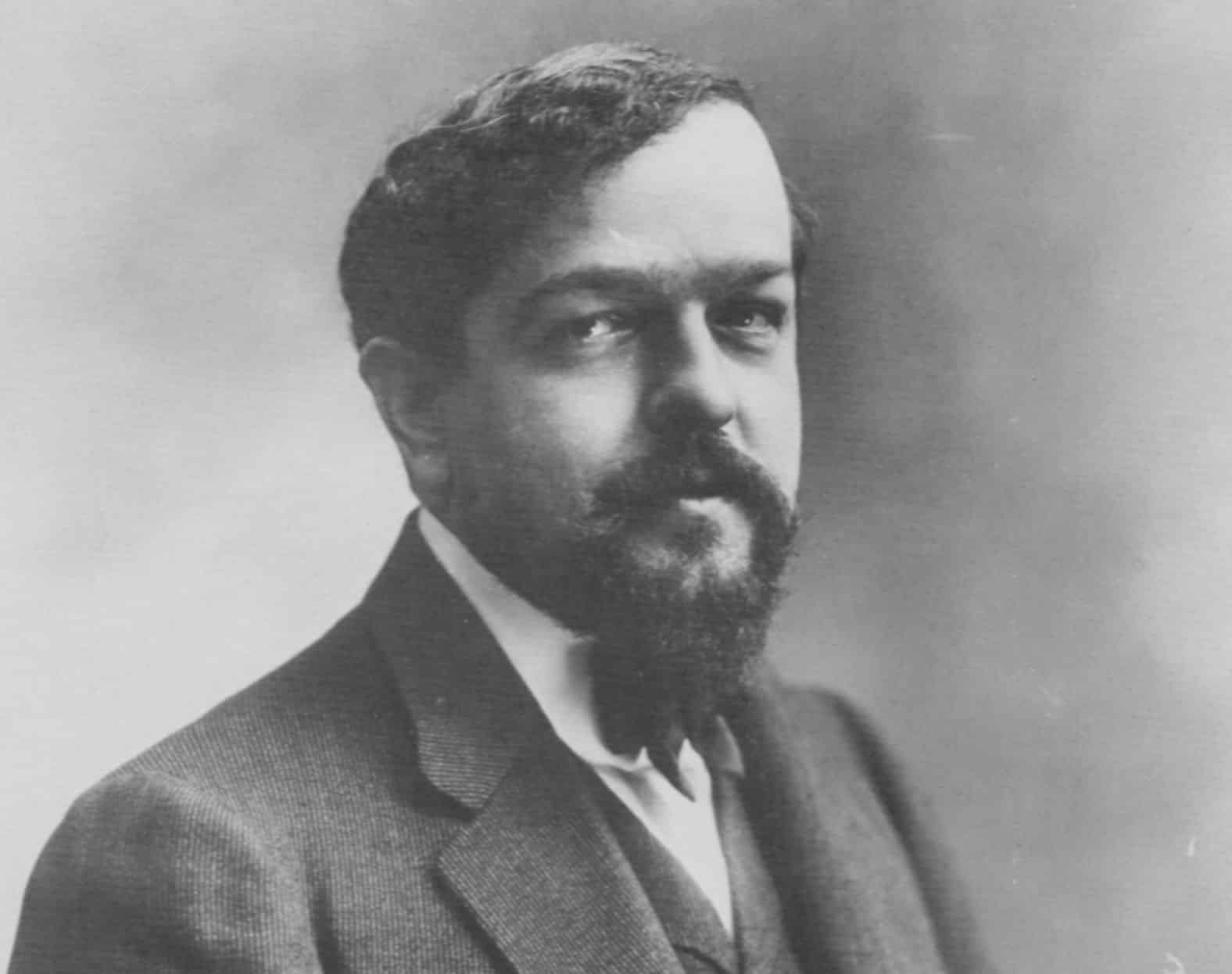
Debussy – Jeux
Claude Debussy, one of the most prominent figures in French Impressionism, created Jeux in 1912, a ballet that remains one of his most intriguing and[…]