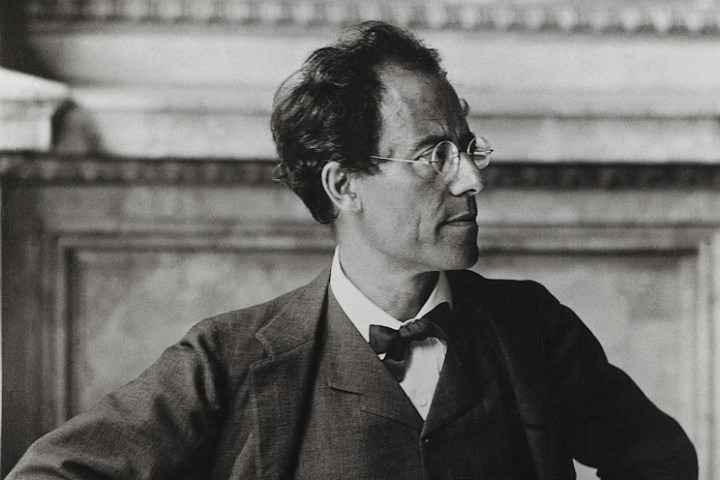
The History of Lieder eines fahrenden Gesellen by Gustav Mahler
Gustav Mahler’s Lieder eines fahrenden Gesellen (Songs of a Wayfarer) stands as one of his earliest and most personal masterpieces. Composed between 1884 and 1885, this song cycle marks a significant moment in Mahler’s development as both a composer and a symphonist, blending deep emotional expression with the seeds of his later orchestral grandeur.
A Young Composer’s Emotional Landscape
At the time of composition, Mahler was in his mid-twenties and working as a conductor in Kassel, Germany. It was during this period that he fell in love with soprano Johanna Richter. The relationship, however, was short-lived and ended in heartbreak. Out of this emotional turmoil, Mahler poured his feelings into Lieder eines fahrenden Gesellen, creating a deeply autobiographical cycle that charts the sorrow, wandering, and attempted consolation of a rejected lover.
The title, which translates to Songs of a Wayfarer, alludes to the Romantic ideal of the lone wanderer—someone estranged from society and moving through nature, burdened by love and loss. This theme would become central to Mahler’s later work, appearing again in his symphonies and song cycles.
Structure and Literary Roots
The cycle consists of four songs, all with texts written by Mahler himself, though heavily influenced by the folk poetry style of Des Knaben Wunderhorn (The Youth’s Magic Horn), a collection that inspired many of his later compositions. Each song expresses a different stage of grief and emotional progression:
- “Wenn mein Schatz Hochzeit macht” (When My Sweetheart is Married) – The narrator mourns his beloved’s marriage to another, juxtaposing inner despair with the beauty of nature.
- “Ging heut’ Morgen übers Feld” (I Went This Morning Over the Field) – A deceptively cheerful walk through nature ends with a realization of lingering sadness.
- “Ich hab’ ein glühend Messer” (I Have a Gleaming Knife) – This is the most intense and dramatic of the four, expressing anguish with almost violent passion.
- “Die zwei blauen Augen von meinem Schatz” (The Two Blue Eyes of My Beloved) – The cycle ends in resignation and peace, as the wanderer finds solace under a linden tree, letting go of his pain.
Orchestration and Symphonic Connections
Initially conceived with piano accompaniment, Mahler later orchestrated the songs in 1891, bringing out their expressive potential with rich and varied textures. This orchestral version is the one most often performed today.
Musically, Lieder eines fahrenden Gesellen is noteworthy for its close connection to Mahler’s Symphony No. 1. The second song, “Ging heut’ Morgen übers Feld,” provides the thematic material for the first movement of the symphony. Likewise, the emotional journey of the song cycle mirrors the existential struggles found throughout Mahler’s symphonic work.
Legacy and Influence
Lieder eines fahrenden Gesellen remains a cornerstone of the song cycle repertoire, admired for its poignant honesty and innovative orchestration. It offers a window into the young Mahler’s soul, revealing both his heartbreak and his extraordinary talent for fusing text and music. More than a youthful expression of unrequited love, it foreshadows the philosophical depth and emotional range that would define Mahler’s mature compositions.
In many ways, this cycle is not just a lamentation but a declaration—a young composer finding his voice and setting the stage for the monumental works to come.
Comments are closed