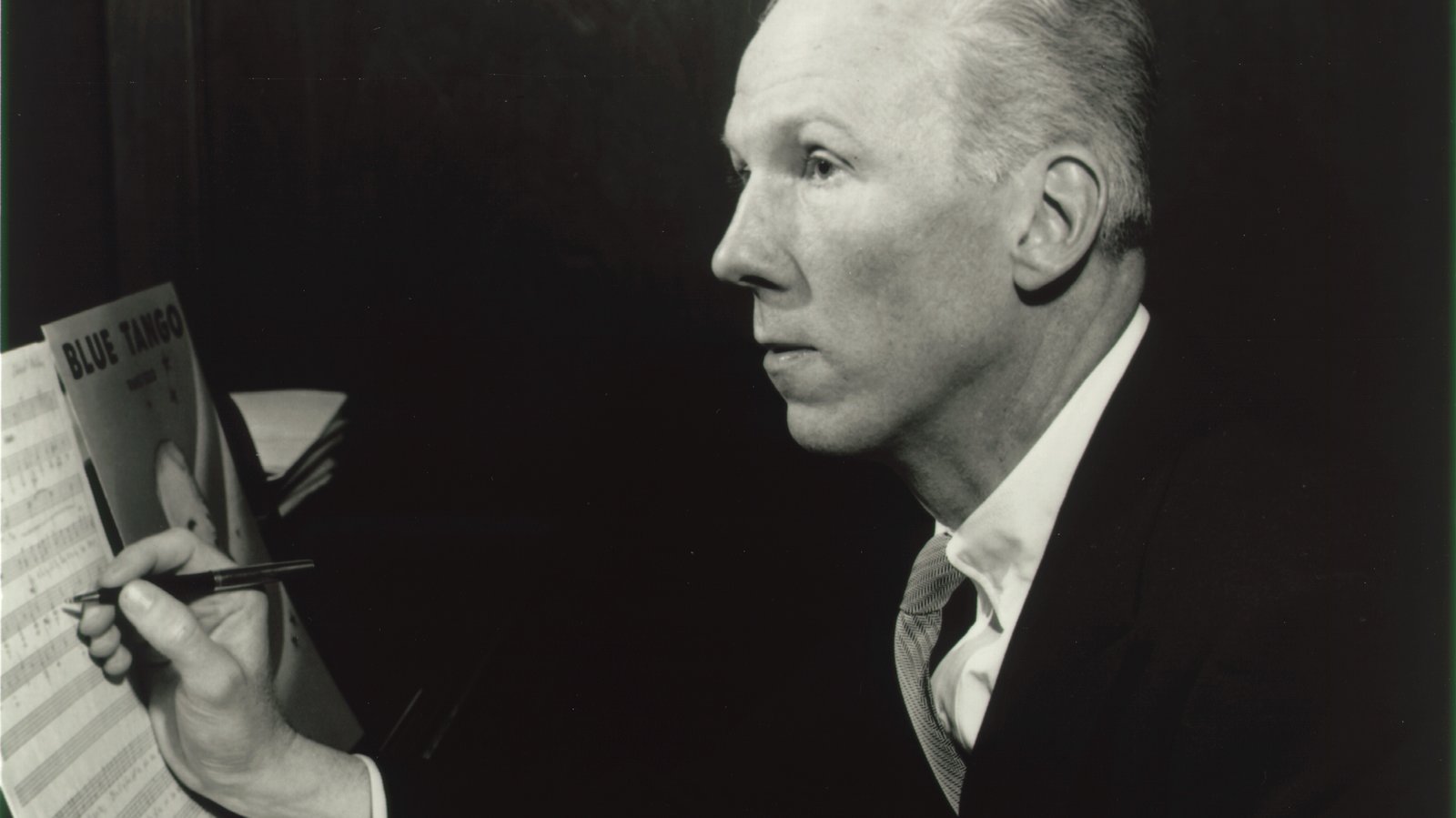
Leroy Anderson – A Complete Biography
Introduction
Leroy Anderson (June 29, 1908 – May 18, 1975) was a celebrated American composer, pianist, and organist, best known for his charming and memorable short light concert pieces—often referred to as musical “miniatures.” His compositions, such as “Sleigh Ride,” “Blue Tango,” “The Typewriter,” and “The Syncopated Clock,” remain staples of light orchestral repertoire, frequently performed by pops orchestras and beloved by audiences worldwide.
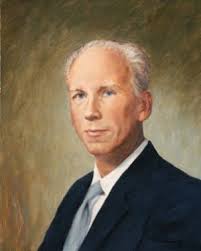
Childhood
Leroy Anderson was born in Cambridge, Massachusetts, to Swedish immigrant parents. His mother, a church organist, gave him his first piano lessons, and his father, a postal clerk who also played mandolin and banjo, nurtured his musical environment. At age 11, in 1919, he began formal musical studies at the New England Conservatory of Music. While still in high school at Cambridge Latin School, he composed, orchestrated, and conducted the class song for his graduation—a remarkable early sign of his compositional talent.
Youth
In 1925, Leroy entered Harvard College, where he studied intensively with notable teachers in composition, orchestration, harmony, counterpoint, and more. He earned both his B.A. (magna cum laude, 1929) and M.A. in Music (1930). During this period, he also played in dance bands and served as director of the Harvard University Band, gaining valuable arranging and leadership experience.
Adulthood
After Harvard, Anderson began his long association with the Boston Pops Orchestra under conductor Arthur Fiedler. His first original orchestral success, “Jazz Pizzicato,” premiered in 1938, followed shortly by “Jazz Legato,” cementing his reputation for witty, concise orchestral writing.
During World War II, his proficiency in several Scandinavian languages led to assignments as a translator and intelligence officer in Iceland and later at the Pentagon.
In 1945, he composed “The Syncopated Clock,” which became a signature piece for Pops concerts and later the theme for CBS’s late-night program The Late Show. His 1951 hit “Blue Tango” became the first instrumental recording to reach #1 on the Billboard charts and earned a gold record.
Other whimsical works followed, including “The Typewriter” (1950), featuring the actual typewriter as a percussion instrument; “A Trumpeter’s Lullaby” (1949), written at the request of Pops trumpeter Roger Voisin; and the festive “Sleigh Ride,” conceived in the summer of 1946 during a heat wave, though not originally intended as a Christmas piece. His style is distinguished by its creativity, memorable melodies, and often humorous instrumentation.
He married Eleanor Jane Firke in 1942, and together they had three children. The family lived in a custom-designed home in Woodbury, Connecticut, where Anderson composed many of his later works. Post-war, he continued extensive guest conducting engagements, served on the boards of the New Haven and Hartford symphonies, and contributed significantly to the musical life of his region.
Major Compositions
Leroy Anderson is best known for a remarkable array of short orchestral works:
- Jazz Pizzicato (1938) and Jazz Legato (1938): playful early works that established his voice.
- The Syncopated Clock (1945): whimsical work that became a television theme.
- Blue Tango (1951): first instrumental to hit #1 on pop charts.
- Sleigh Ride (1948): festive orchestral standard, written in summer, not initially a holiday song.
- The Typewriter (1950): humorous and clever use of an actual typewriter as percussion.
- A Trumpeter’s Lullaby (1949): delicate solo trumpet piece written for Roger Voisin.
Other notable works include Fiddle-Faddle, Bugler’s Holiday, Sandpaper Ballet, Alma Mater (Harvard Sketches), and Promenade, among many others that illustrate his rich and inventive output.
Death
Leroy Anderson passed away from cancer on May 18, 1975, in Woodbury, Connecticut, at the age of 66. He was buried in Woodbury. Posthumously, he received several honors, including induction into the Songwriters Hall of Fame in 1988 and a star on the Hollywood Walk of Fame in 1976.
Conclusion
Leroy Anderson’s legacy rests in his ability to blend sophistication and charm in concise orchestral form. Trained rigorously at Harvard and shaped by his Swedish-American upbringing, he found a unique niche in crafting light concert music that remains popular across generations. His inventive instrumentation, playful melodies, and vivid narratives (“miniatures”) have made works like Sleigh Ride, The Typewriter, and Blue Tango enduring favorites. Though he could have pursued more serious or academic paths, Anderson chose to delight audiences—and in doing so, became one of America’s foremost composers of light orchestral music. His work continues to bring smiles to listeners worldwide, securing his place in the annals of American musical culture.
Comments are closed