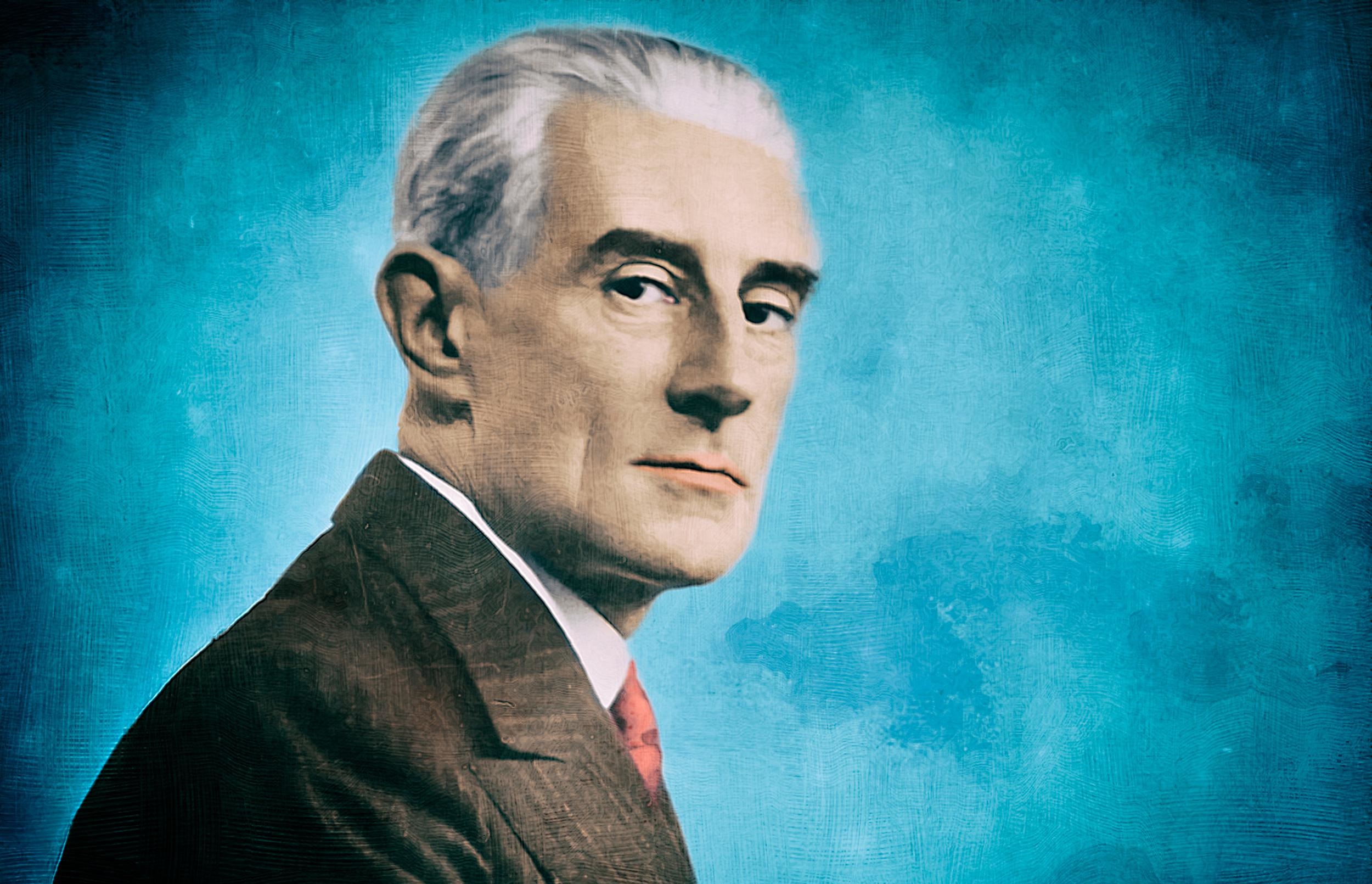
Maurice Ravel – A Complete Biography
Introduction
Joseph Maurice Ravel (1875–1937) was one of the most influential French composers of the late 19th and early 20th centuries. Known for his masterful orchestration, elegant clarity, and innovative harmonies, Ravel carved a unique place in music history. While often associated with Impressionism alongside Claude Debussy, Ravel’s music displayed a broader range, combining classical precision with bold modernist experimentation. Works such as Boléro, Daphnis et Chloé, and Pavane pour une infante défunte remain cornerstones of concert repertoire worldwide.
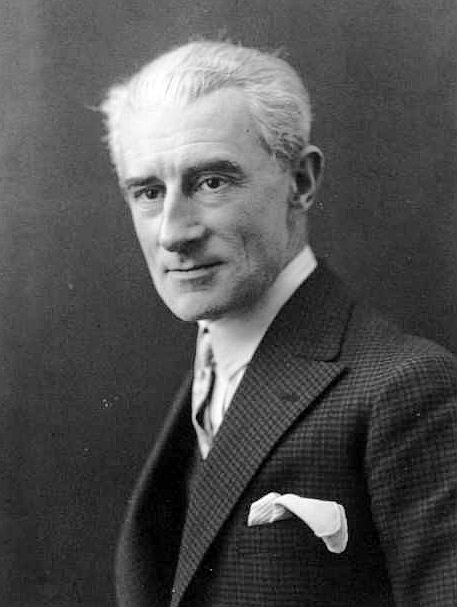
Childhood
Ravel was born on March 7, 1875, in Ciboure, a small Basque town near the Spanish border. His father, Joseph Ravel, was an inventive Swiss engineer, while his mother, Marie Delouart, was of Basque heritage and passed on a love of Spanish culture to her son. This early exposure to Spanish rhythms and melodies would profoundly influence Ravel’s compositions throughout his life.
At the age of seven, Ravel began piano lessons, showing talent but also a strong sense of independence and perfectionism. By 1889, his parents enrolled him in the Paris Conservatoire, where he studied piano, harmony, and composition under Gabriel Fauré. The Conservatoire years shaped his style but also exposed his stubborn individuality, which often clashed with institutional expectations.
Youth
During his youth, Ravel immersed himself in the vibrant cultural life of Paris. He was drawn to literature, painting, and exotic cultures, particularly those of Spain and Asia. He absorbed the works of Symbolist poets and Impressionist painters, forging connections between music and the broader artistic movements of the time.
Although he faced repeated failures in winning the prestigious Prix de Rome (a French scholarship for arts students), these setbacks only fueled his determination. His early works, including Pavane pour une infante défunte (1899), demonstrated his fascination with elegance and nostalgia. Ravel also became associated with the avant-garde group Les Apaches, a circle of artists and musicians who embraced innovation and modernity.
Adulthood
By the early 20th century, Ravel was establishing himself as one of France’s leading composers. His ballet Daphnis et Chloé (1912), commissioned by Sergei Diaghilev for the Ballets Russes, displayed his mastery of orchestration and sensual harmonic language. However, disagreements with Diaghilev strained their professional relationship.
When World War I broke out, Ravel attempted to enlist despite being too small and frail for combat. He eventually served as a truck driver in the French army, experiences that left him physically weakened and emotionally scarred. After the war, his style shifted toward more austere and neoclassical tendencies, as seen in works such as Le Tombeau de Couperin (1919).
During the 1920s and 1930s, Ravel achieved international fame. He toured extensively, including a triumphant trip to the United States in 1928, where he befriended George Gershwin and admired jazz as a legitimate art form. Ravel’s music from this period, such as Boléro (1928) and the Piano Concerto in G major (1931), combined rhythmic drive, brilliant orchestration, and influences ranging from jazz to Spanish folk traditions.
Major Compositions
Ravel’s catalogue, though relatively small compared to some contemporaries, includes masterpieces across multiple genres:
- Orchestral Works: Boléro (1928), Rapsodie espagnole (1907), La Valse (1920).
- Ballets: Daphnis et Chloé (1912), Ma mère l’Oye (Mother Goose Suite, 1910–1911).
- Piano Works: Gaspard de la nuit (1908), Jeux d’eau (1901), Miroirs (1905).
- Vocal Music: Shéhérazade (1903), Chansons madécasses (1926).
- Concertos: Piano Concerto in G major (1931), Piano Concerto for the Left Hand (1930), composed for pianist Paul Wittgenstein, who lost his right arm in the war.
Ravel was often called the “Swiss watchmaker of music” for his precision, structure, and refinement. Yet his works also reveal deep sensuality and an adventurous spirit that transcends labels.
Death
In his final years, Ravel’s health declined due to a mysterious neurological disorder, possibly related to aphasia or Pick’s disease. This illness gradually robbed him of his ability to compose, though his intellect remained intact. In 1937, he underwent experimental brain surgery, but complications followed, and he never recovered.
Maurice Ravel died on December 28, 1937, in Paris, at the age of 62. He was buried in the Levallois-Perret Cemetery near Paris, leaving behind a legacy of innovation and elegance.
Conclusion
Maurice Ravel remains one of the most celebrated composers of the 20th century. His music, while rooted in French traditions, absorbed influences from Spain, jazz, and world cultures. His orchestral brilliance, structural discipline, and emotional subtlety continue to captivate audiences. From the hypnotic repetition of Boléro to the shimmering textures of Daphnis et Chloé, Ravel’s art exemplifies the fusion of precision and imagination. His work endures as a testament to the power of individuality and creative vision in shaping the course of modern music.
Comments are closed