Kenneth J Alford – A Complete Biography
Introduction
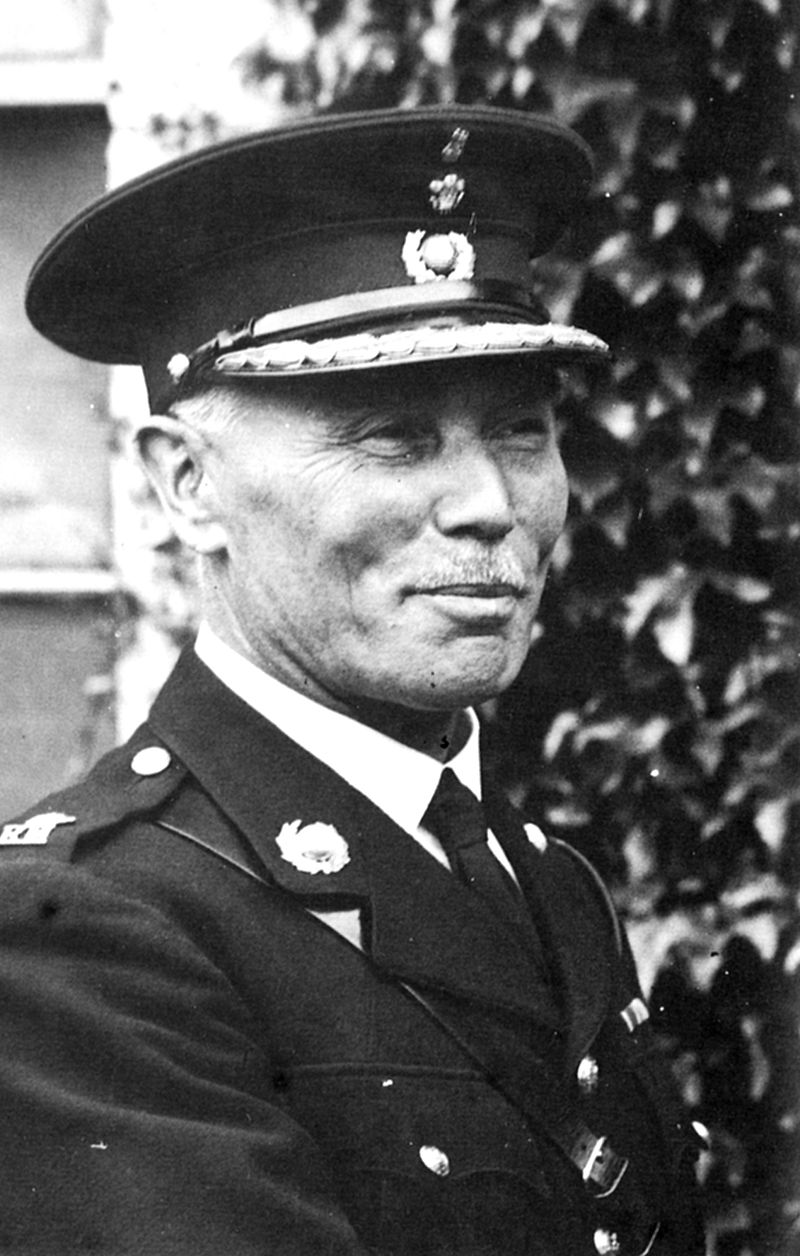
Kenneth J. Alford, born Frederick Joseph Ricketts on February 21, 1881, in Ratcliff, London, is celebrated as one of the foremost composers of British military marches. Under the pseudonym Kenneth J. Alford, he crafted compositions that have become staples in military and brass band repertoires. His works are renowned for their distinctive melodies, rhythmic vitality, and innovative use of instrumentation. Alford’s contributions to military music have earned him the moniker “The British March King.”
Childhood
Frederick Joseph Ricketts was the fourth of six children born to Robert and Louisa (née Alford) Ricketts. His father was a coal merchant in London’s East End. Tragically, Ricketts lost his father at the age of seven and his mother when he was fourteen, events that profoundly impacted his early life. Despite these hardships, he developed a passion for music, learning to play the cornet, piano, and organ. His musical talents were nurtured during his youth, setting the stage for his future career in military music.
Youth
At the age of 14, Ricketts, eager to pursue a career in military music, enlisted in the Royal Irish Regiment by falsifying his age. He began his service as a “band boy,” a term used for young musicians in military bands. His early experiences in the regiment provided him with invaluable training and exposure to military music. Ricketts further honed his musical skills at the Royal Military School of Music, Kneller Hall, where he studied under esteemed instructors. His proficiency in various instruments and his deep understanding of military music composition laid a solid foundation for his future endeavors.
Adulthood
Ricketts’s professional journey in military music was marked by a series of significant appointments. In 1908, he became the bandmaster of the Argyll and Sutherland Highlanders. His leadership and musical expertise led to the band’s acclaim. In 1930, he was appointed Director of Music for the Royal Marines Plymouth Division, a position that further solidified his reputation in military music circles. His tenure was characterized by innovative musical arrangements and performances that garnered international recognition.
Major Compositions
Under the pseudonym Kenneth J. Alford, Ricketts composed numerous marches that have become iconic in the military music genre. His most famous composition, “Colonel Bogey March,” achieved worldwide popularity, especially after its association with the film “The Bridge on the River Kwai.” Other notable works include “The Standard of St George,” “The Great Little Army,” and “The Voice of the Guns.” Alford’s compositions are characterized by their memorable melodies, rhythmic precision, and effective use of brass and percussion instruments.
Death
Kenneth J. Alford passed away on May 15, 1945, in Reigate, Surrey, England, at the age of 64. His death marked the end of an era in British military music. Despite his passing, his compositions continue to be performed and celebrated worldwide, ensuring his legacy endures in the realm of military and brass band music.
Conclusion
Kenneth J. Alford’s contributions to military music have left an indelible mark on the genre. Through his compositions, he elevated the art of the military march, blending traditional elements with innovative techniques. His works remain a testament to his musical genius and his dedication to the craft of military music composition. Alford’s legacy continues to inspire musicians and composers, affirming his status as a pivotal figure in the history of British military music.
Comments are closed