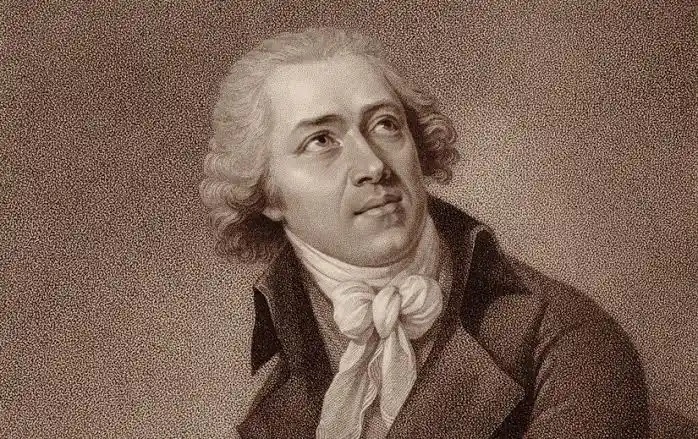
Leopold Kozeluch – A Complete Biography
Introduction
Leopold Koželuch (born Jan Antonín Koželuh; June 26, 1747 – May 7, 1818) was a Bohemian-born composer, keyboard virtuoso, teacher, and influential musical figure in late-18th- and early-19th-century Vienna. Known primarily for his extensive output for keyboard—sonatas, concertos, and chamber music—Koželuch was a prominent teacher and a music editor and publisher whose works were widely circulated in his lifetime. Although his reputation declined after his death, modern scholarship has restored interest in his music, which sits historically between the Classical styles of Haydn and Mozart and the early Romantic era.

Childhood
Leopold was born Jan Antonín Koželuh in the small market town of Velvary in Bohemia (now in the Czech Republic) on June 26, 1747. He came from a musical family: an older cousin, also named Jan Antonín Koželuh, was an established composer and church musician who became an important early teacher and mentor in his life. The younger Koželuch received his first musical instruction in Bohemia, learning basic keyboard technique, composition, and liturgical music structures from his family and local teachers, before moving to Prague to continue formal musical studies and broaden his practical experience.
Youth
In Prague, Koželuch consolidated his training and began composing more seriously for the stage and for keyboard. During the 1770s he produced ballets and theatrical music and built a reputation as a capable composer in Bohemia. At some point in his twenties he adopted the name Leopold, a common practice in that period when composers sought a more cosmopolitan or distinctive professional identity. He also pursued keyboard study that prepared him for a career as a virtuoso teacher and performer. By the late 1770s Koželuch made the decisive move to Vienna, then Europe’s leading musical capital, where his career would flourish.
Adulthood
Settling in Vienna around 1778, Koželuch quickly established himself as a fashionable piano teacher, composer, and publisher. He specialized in keyboard music—sonatas, concertos, variations, and pedagogical pieces—and became known for polished, elegant writing that met the market’s demand for music suitable both for concert performance and domestic music-making. Koželuch also composed operas, ballets, sacred music, chamber music, and symphonies, and he engaged in arranging and publishing, including popular song settings for international markets.
In 1792 he achieved one of the highest honors for a Viennese court musician of the time when he was appointed to a court post that had once been associated with Mozart: from that time on he held the title Kammer Kapellmeister and Hofmusik-Compositor. As a teacher he trained many pupils and exerted considerable influence on Vienna’s musical life; his clientele included aristocrats and bourgeois students who sought fashionable Viennese piano instruction.
Major Compositions
Koželuch was highly prolific, with around 400 works attributed to him. His output encompassed keyboard sonatas and concertos—he wrote more than twenty keyboard concertos and dozens of sonatas—along with chamber music, operas, ballets, symphonies, and sacred works. Notable aspects of his oeuvre include his successful keyboard concertos and an especially large number of piano trios and violin sonatas that were published and circulated widely in the late 18th century.
His symphonies are generally considered more modest compared to his keyboard works, but his keyboard and chamber pieces reveal craftsmanship, clarity of form, and a sensitivity to the tonal resources of the fortepiano. His music also catered to the growing market for domestic music-making, while still including works intended for public performance and aristocratic patrons. In recent decades, new editions and recordings have revived interest in his compositions.
Death
Leopold Koželuch died in Vienna on May 7, 1818. At the time of his death, he had served the Viennese court for many years and left behind an extensive catalog of works together with a legacy as one of the city’s prominent keyboard teachers of the generation between Haydn and Beethoven. After his death, changing musical tastes left many late-18th-century composers overshadowed, but later musicological research and recordings have restored attention to his contributions, especially his keyboard and chamber repertoire.
Conclusion
Leopold Koželuch represents an important transitional figure in the classical era: a Bohemian-born musician who successfully integrated into Vienna’s high musical culture as a composer, virtuoso keyboardist, teacher, and publisher. His large and varied output made him one of the era’s better-known practical musicians—someone who catered to both public concert life and the thriving market for domestic music. While his name may not have the same popular recognition as Haydn, Mozart, or Beethoven, the revival of his works demonstrates that his music offers a clear window into the stylistic currents, pedagogical practices, and musical tastes of late-18th-century Central Europe. For students and listeners interested in polished Classical keyboard and chamber music, Koželuch’s catalog remains a rewarding field for discovery.
Comments are closed