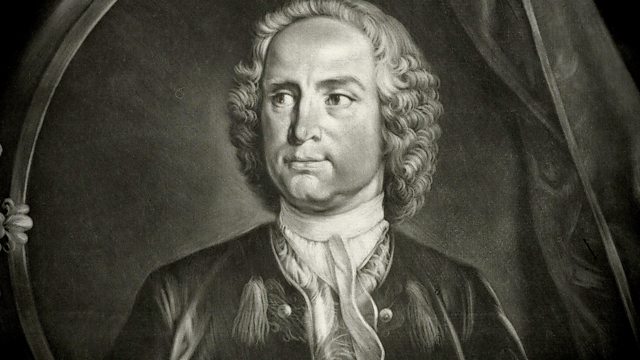
Pietro Locatelli – A Complete Biography
Introduction
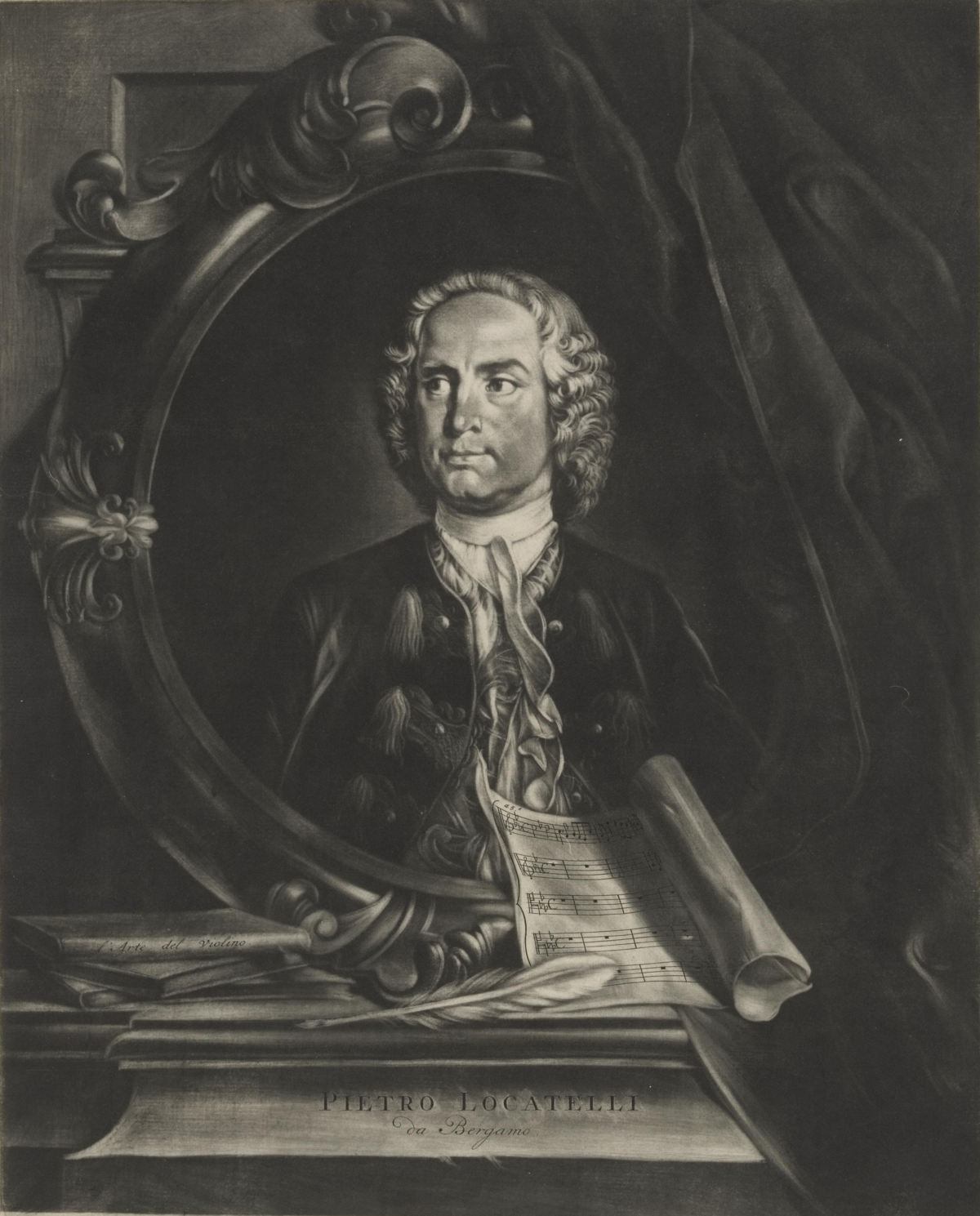
Pietro Antonio Locatelli (1695–1764) was an Italian Baroque composer and violinist renowned for his exceptional virtuosity and innovative contributions to violin technique. Often hailed as the “Paganini of the 18th century,” Locatelli’s compositions pushed the boundaries of violin performance, influencing generations of musicians. His most celebrated work, L’Arte del violino, exemplifies his mastery and remains a cornerstone of the violin repertoire.
Childhood
Born on September 3, 1695, in Bergamo, Italy, Locatelli was immersed in a city with a rich musical heritage. His early musical education likely began under the guidance of his father, a respected musician, and other local instructors. By his teenage years, Locatelli was already recognized for his exceptional violin skills, serving as the third violinist at the Church of Santa Maria Maggiore in Bergamo. His prodigious talent set him apart as a young virtuoso in the region.
Youth
At the age of 16, Locatelli moved to Rome to further his musical studies. In Rome, he had the opportunity to study under the tutelage of the renowned violinist and composer Arcangelo Corelli, who was instrumental in shaping his early musical development. During this period, Locatelli honed his skills and began to establish a reputation as a virtuoso violinist. His performances in Rome and other Italian cities garnered attention, leading to invitations to perform across Europe.
Adulthood
Locatelli’s adult life was marked by extensive travel and professional engagements throughout Europe. He performed in various cities, including Venice, Munich, and Berlin, where his virtuosity captivated audiences. In 1729, Locatelli settled in Amsterdam, a city known for its vibrant musical scene and publishing industry. Here, he focused on composing, publishing his works, and teaching violin to both amateurs and professionals. His residence in Amsterdam allowed him to engage with a broader European audience, solidifying his reputation as a leading violinist and composer of the Baroque era.
Major Compositions
Locatelli’s compositional output is characterized by its technical complexity and expressive depth. His L’Arte del violino (Op. 3), published in 1733, is perhaps his most famous work. This collection of 12 violin concertos, each accompanied by 24 capriccios, showcases a wide range of violin techniques and has been influential in the development of violin performance. Other notable works include the Sonate a flauto traversiere solo e basso (Op. 2), Sonate a violino solo e basso da camera (Op. 6), and Concerti a quattro (Op. 7), which reflect his versatility and innovation as a composer.
Death
Pietro Antonio Locatelli passed away on March 30, 1764, in Amsterdam, Netherlands, at the age of 68. He died in his residence on the Prinsengracht, leaving behind a legacy that would influence generations of musicians. Despite his significant contributions to music, details about his final years and the circumstances of his death remain relatively sparse.
Conclusion
Pietro Antonio Locatelli’s contributions to Baroque music, particularly in the realm of violin performance, are enduring. Through his innovative compositions and virtuosic playing, he expanded the expressive possibilities of the violin and set new standards for technique and artistry. While his fame waned in the centuries following his death, recent efforts to revive interest in his music have reestablished his position as a pivotal figure in the history of classical music. Locatelli’s works continue to inspire and challenge violinists, ensuring his place in the pantheon of great composers.
Comments are closed