
Alberto Ginastera – A Complete Biography
Introduction
Alberto Ginastera stands as one of the most influential composers in the history of Argentine classical music and one of the most original voices in twentieth-century composition. Widely recognized for his inventive fusion of national folk elements with modernist techniques, Ginastera created a sound world that was both deeply rooted in the cultural identity of Argentina and boldly experimental. His output spans ballet, orchestral music, chamber works, vocal pieces, and operas, marking him as a versatile and ambitious figure whose legacy continues to shape contemporary music across the world.
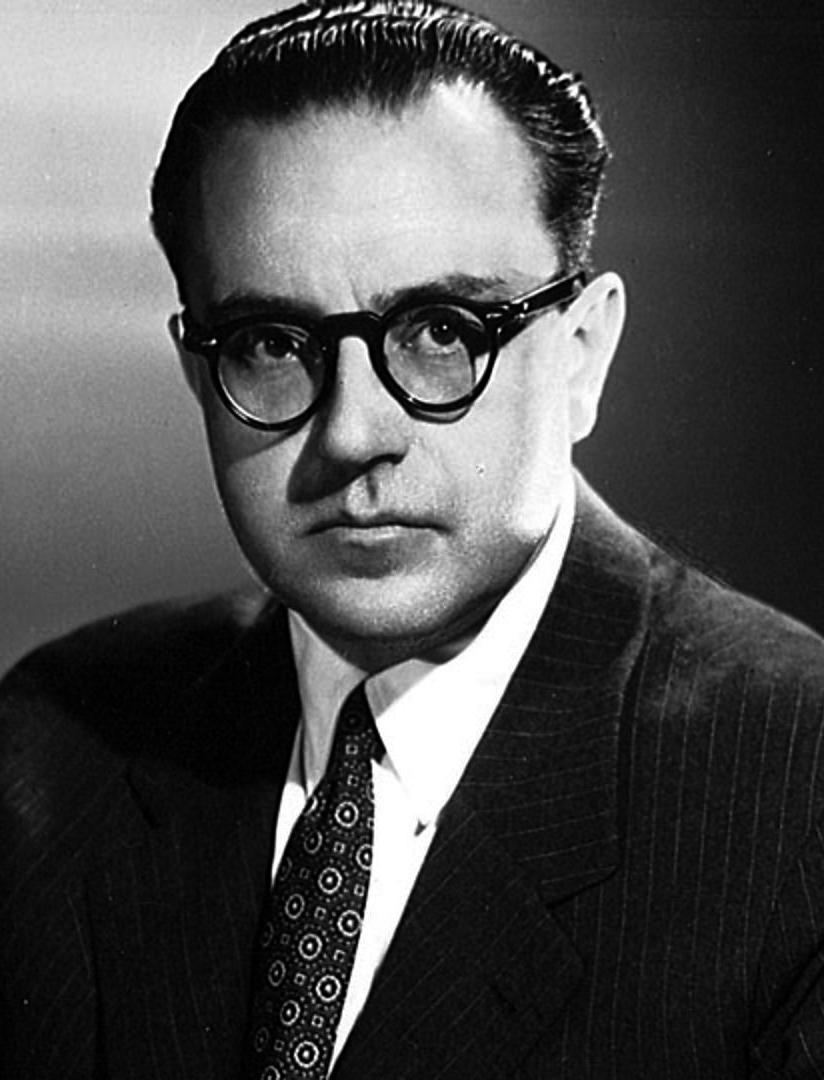
Childhood
Alberto Evaristo Ginastera was born in Buenos Aires on April 11, 1916. He grew up in a culturally diverse household; his father, an immigrant from Catalonia, worked in the financial sector, while his mother came from an Italian family. This blend of European influences helped create an environment where classical music and artistic values were encouraged.
From an early age, Ginastera demonstrated remarkable musical aptitude. He began piano lessons when he was still a young boy, and his teachers quickly recognized his ability to absorb music theory and performance concepts with unusual speed. The bustling cultural atmosphere of early twentieth-century Buenos Aires—with its growing concert life, theaters, and emerging nationalistic artistic movements—gave him early exposure to a wide range of musical styles. These early experiences shaped his understanding of both classical European traditions and the increasingly celebrated folk music of Argentina.
Youth
During his adolescence, Ginastera’s musical interests flourished. He enrolled in the National Conservatory of Music in Buenos Aires, where he studied composition, piano, and theory. His teachers included some of Argentina’s foremost musicians, and he immersed himself in the academic study of harmony, counterpoint, and orchestration.
As a young composer, Ginastera showed enthusiasm for exploring the folk rhythms, dances, and melodies of his homeland. The influence of Argentine gaucho culture—particularly the music associated with the pampas and the figure of the cowboy—began to appear in his earliest compositions. At the same time, he absorbed the influences of European composers such as Stravinsky, Bartók, and Falla, whose works were increasingly accessible in Argentine concert halls.
By the late 1930s, Ginastera had already written works that attracted attention for their originality and vibrant national character. One of his earliest significant successes came with the ballet Panambí, composed while he was still a student. Its enthusiastic reception, along with his growing reputation as a rising talent, helped launch his professional career.
Adulthood
Ginastera’s career flourished in the 1940s, when he began teaching at various institutions, including the National Conservatory. In 1942, the premiere of his ballet Estancia brought him national recognition. The work vividly portrayed rural life in Argentina through rhythmic vitality and orchestral brilliance. Its success cemented Ginastera as a leading composer of nationalist music.
After receiving a Guggenheim Fellowship in 1945, Ginastera traveled to the United States, where he studied with Aaron Copland at the Tanglewood Music Center. This period exposed him to new musical ideas, including modernist techniques and the latest developments in contemporary composition. The influence of American and European avant-garde styles began to shape his increasingly complex approach.
Upon returning to Argentina, Ginastera co-founded the Latin American Center for Advanced Musical Studies (CLAEM), an institution that played a crucial role in nurturing a new generation of Latin American composers. He continued to experiment with serialism, microtonality, and other modernist methods. His music evolved through three stylistic periods often described as “objective nationalism,” “subjective nationalism,” and “neo-expressionism,” each reflecting significant changes in his compositional language.
In his later years, Ginastera divided his time between Argentina, the United States, and Switzerland. His international reputation grew steadily, and major orchestras around the world performed his works. He married the Argentine-Swiss cellist Aurora Nátola, whose artistry inspired several of his later compositions.
Major Compositions
Alberto Ginastera’s catalog includes numerous influential works that span diverse genres. Among the most celebrated are:
Ballets
- Panambí (1937–1941): A seminal early work that blends indigenous themes with lush orchestration.
- Estancia (1941): A vibrant portrait of Argentine rural life, famous for its high-energy Malambo finale.
Concertos
- Piano Concerto No. 1 (1961): A virtuosic, rhythmically intense work reflecting his embrace of modernism.
- Harp Concerto (1956): One of the most frequently performed harp concertos of the twentieth century.
Operas
- Don Rodrigo (1964): His first opera, combining dramatic narrative with bold harmonic ideas.
- Bomarzo (1967): A groundbreaking and controversial opera that was banned in Argentina shortly after its premiere.
- Beatrix Cenci (1971): A dark and powerful opera written during his late neo-expressionist period.
Orchestral and Chamber Works
- Variaciones Concertantes (1953): A masterful showcase of orchestral color.
- Piano Sonata No. 1 (1952): One of his most performed solo works, integrating Argentine rhythms with modernist structures.
- String Quartet No. 1 (1948) and later quartets: Represent his evolving stylistic phases, eventually incorporating twelve-tone writing and experimental textures.
These compositions illustrate Ginastera’s evolution from nationalistic beginnings toward increasingly complex and expressionistic forms, marking him as a major innovator in twentieth-century classical music.
Death
Alberto Ginastera spent his later years living in Geneva, where he continued composing despite declining health. He died on June 25, 1983, at the age of 67. His death marked the end of a profoundly influential career, but his music continued to gain international recognition. Musicians, scholars, and institutions around the world have since paid tribute to his legacy through performances, recordings, and academic studies.
Conclusion
Alberto Ginastera remains one of Argentina’s most important cultural figures and one of the twentieth century’s boldest musical innovators. His distinctive synthesis of national identity and modernist experimentation helped define the sound of Latin American classical music for generations. Through his ballets, operas, orchestral works, and chamber music, Ginastera created a body of work that is both deeply expressive and technically sophisticated.
His legacy endures not only in concert halls but also in the continued influence he has on composers across the world. Today, Ginastera’s music stands as a testament to the creative possibilities that emerge when cultural roots and contemporary innovation are combined with mastery, imagination, and artistic courage.
Comments are closed