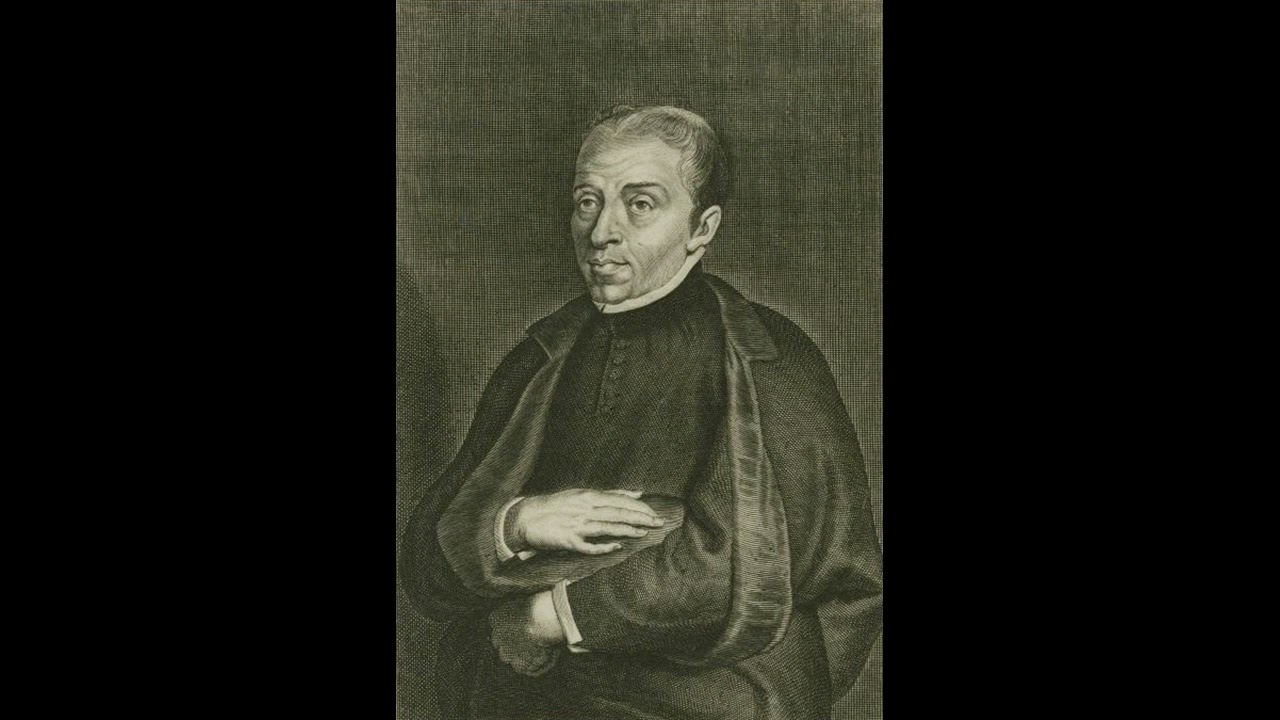
Duarte Lobo – A Complete Biography
Introduction
Duarte Lobo (Latinized as Eduardus Lupus) was a leading Portuguese composer of the late Renaissance and early Baroque eras. Born around the middle of the sixteenth century, Lobo became one of the principal figures of what is often called the golden age of Portuguese polyphony. He spent his life composing and teaching sacred music—masses, motets, responsories, Magnificats, and funeral music—producing works admired for their contrapuntal craftsmanship, expressive clarity, and reverent handling of liturgical texts.

Childhood
Exact details of Lobo’s birth are uncertain: modern scholarship places his birth around 1563–1569 and locates it either in Alcáçovas (in Alentejo) or Lisbon. As a boy he entered the prestigious musical school at Évora Cathedral, where he was a choirboy and a student of Manuel Mendes, the renowned teacher whose pupils included several composers who later shaped Portuguese polyphony. The Évora training emphasized strict counterpoint, plainchant, and the liturgical repertory; these technical foundations shaped Lobo’s compositional voice throughout his life.
Youth
After his formative years in Évora, Lobo moved into professional service relatively early. He is recorded as holding chapel positions in the late 16th century; by the 1590s he had assumed important posts, first working in Évora and then taking on responsibilities in Lisbon. During this period he consolidated his mastery of polyphonic technique and began publishing his music. The early publications—collections of motets and liturgical works—established his reputation at home and abroad, with printers in Antwerp and Lisbon disseminating his music to other Catholic centers.
Adulthood
Lobo’s adult career was dominated by two related strands of activity: serving as a chapel master and teaching. He served as mestre de capela (chapel master) at the cathedral in Lisbon—one of the most prestigious musical posts in Portugal—where he directed the musical staff, trained singers, and provided repertory for the liturgy. He also taught at the Colégio do Claustro da Sé in Lisbon and later directed the music at the Seminary of São Bartolomeu. His pupils included notable younger Portuguese musicians, and his influence extended through the institutions he led. Although the Baroque style was emerging elsewhere in Europe during Lobo’s lifetime, he remained stylistically conservative: his output follows the Renaissance contrapuntal model (Palestrina-style clarity and control), adapted to the expressive needs of Counter-Reformation liturgy.
Major compositions
Lobo’s surviving oeuvre consists principally of sacred music published across a series of collected books and individual prints. His better-known publications and compositions include:
- Officium Defunctorum / Missa pro defunctis (Requiem) — Lobo published important settings for the Office and Mass for the dead. His Requiem settings (including a notable six-voice Requiem) became models of Portuguese liturgical solemnity and are among the works most often recorded and performed in modern times.
- Liber Missarum (Books of Masses) — Lobo produced at least two major books of Mass settings (early- and mid-career collections), which include both large-ensemble, polychoral textures and more intimate contrapuntal works. These volumes demonstrate his facility with extended liturgical forms and with vocal writing for varied performing forces.
- Cantica Beatae Virginis (Magnificats) — Collections of Magnificats show Lobo’s skill in setting the Marian text for multiple voicings; these works balance formal contrapuntal technique with melodic expressivity appropriate to devotion.
- Motets, antiphons, and responsories — Lobo’s smaller-scale pieces (motets such as setting of “O vos omnes,” antiphons, and responsories) display the same contrapuntal control and sensitivity to textual accentuation; they were intended for use within the daily Divine Office and for special feast days.
Many of these works were printed in major music centers (notably Antwerp by the Plantin press) and circulated well beyond Portugal, which helped preserve them in manuscript and printed sources across Europe.
Death
Duarte Lobo died on September 24, 1646, in Lisbon. By the time of his death he had been a central figure in Portuguese sacred music for decades, and his works continued to be copied and performed after his death. The careful conservatism of his style—rooted in the Palestrina-influenced contrapuntal tradition—helped his music endure in ecclesiastical contexts that valued clarity of text and liturgical appropriateness.
Conclusion
Duarte Lobo stands as one of Portugal’s foremost sacred composers of the late Renaissance and early Baroque periods. His training in Évora, his long tenure as mestre de capela in Lisbon, and his role as teacher and institutional leader combined to make him a focal point of Portuguese polyphony. While he did not embrace the newer instrumental and dramatic trends of the Baroque, his mastery of counterpoint and his commitment to liturgical expressivity produced music of austere beauty, technical refinement, and devotional depth—qualities that have secured his place in the choral repertory and in the historical narrative of Iberian sacred music.
Comments are closed