Introduction
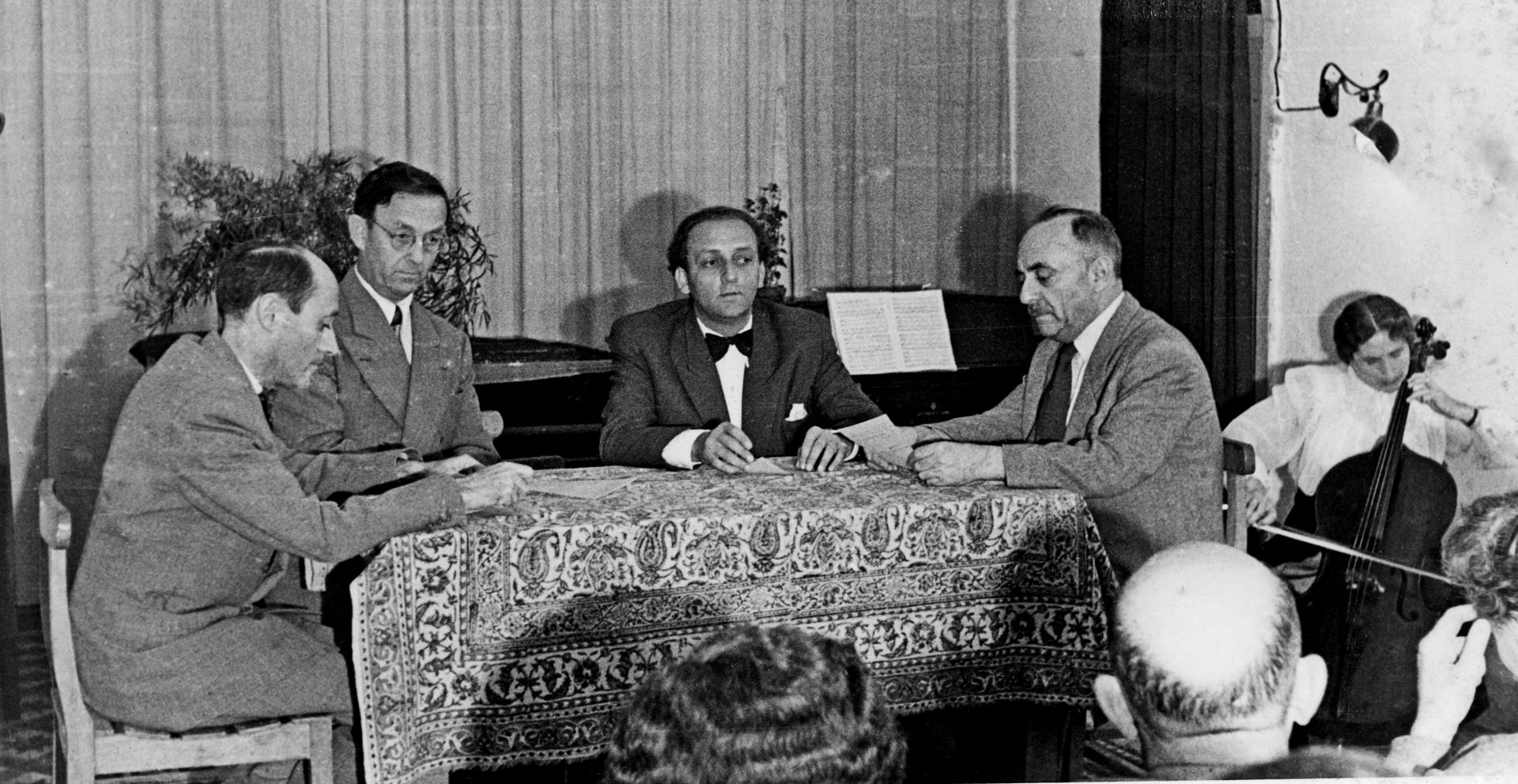
Frank Pelleg (September 24, 1910 – December 20, 1968) was one of the most influential figures in the development of Israeli classical music during the twentieth century. A composer, pianist, harpsichordist, conductor, educator, and musicologist, he played a central role in shaping the musical culture of the young State of Israel. Born in Prague during the final years of the Austro-Hungarian Empire, Pelleg combined the rich traditions of Central European musical education with a pioneering spirit that helped establish important musical institutions in Israel.
Known as Israel’s first prominent harpsichordist, Pelleg gained recognition for his performances of Johann Sebastian Bach’s music and for his advocacy of contemporary composers such as Arnold Schoenberg. Beyond his career as a performer, he composed orchestral works, chamber music, theater scores, film music, and educational writings that contributed significantly to the country’s artistic life.
Childhood
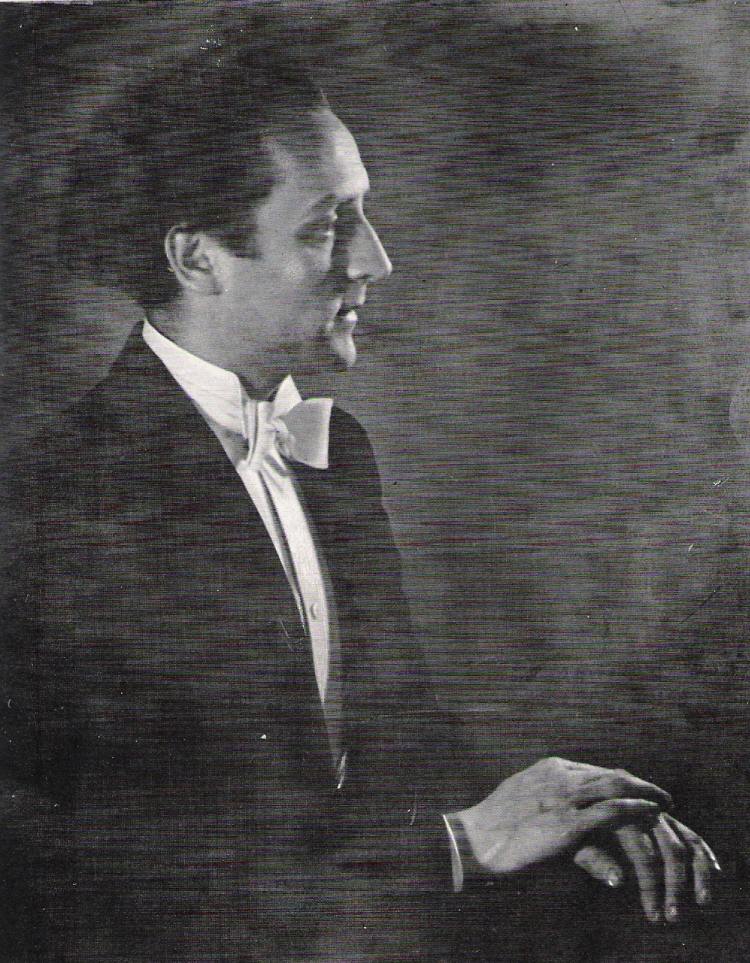
Frank Pelleg was born as Frank Pollak in Prague, then part of the Austro-Hungarian Empire, on September 24, 1910. He grew up in a culturally vibrant city renowned for its artistic and intellectual traditions. Prague had long been a center of European music, producing and attracting some of the continent’s finest composers, performers, and conductors.
From an early age, Pelleg demonstrated exceptional musical talent. He showed a particular affinity for keyboard instruments and quickly became proficient on both the piano and the harpsichord. His family encouraged his musical interests, recognizing his extraordinary abilities and commitment to study.
The young musician received a rigorous education that emphasized both technical excellence and intellectual understanding. These formative experiences laid the foundation for a career that would blend performance, composition, scholarship, and teaching.
Youth
As a teenager and young adult, Pelleg pursued advanced musical studies at the Czech Academy of Music in Prague. There he studied piano performance, composition, and conducting. His education exposed him to both the classical repertoire and the emerging musical trends of the early twentieth century.
During this period, he established himself as a talented performer and conductor. His growing reputation led to professional opportunities with important musical organizations in Prague. Before leaving Europe, he served as a conductor associated with the Prague Opera Orchestra, gaining valuable experience in orchestral leadership and theatrical music production.
The political climate of Europe during the 1930s increasingly affected the lives of many Jewish musicians and intellectuals. In 1936, encouraged by the renowned violinist Bronisław Huberman and attracted by the opportunities emerging in Palestine, Pelleg emigrated to the region that would later become the State of Israel. Upon his arrival, he adopted the Hebrew surname Pelleg, symbolizing his connection to his new homeland.
Adulthood
The move to Palestine marked the beginning of the most productive phase of Pelleg’s life. He quickly became an important figure in the developing musical community. His European training, broad knowledge, and artistic versatility made him a valuable contributor to the region’s cultural institutions.
As a performer, Pelleg gained distinction as a pianist and harpsichordist. He became especially known for his interpretations of Bach and for promoting modern music. Unlike many musicians of his era, he embraced contemporary composers and introduced audiences to works that were often considered challenging or unconventional.
Following the establishment of the State of Israel in 1948, Pelleg assumed increasingly important leadership roles. He became head of the Music Department within the Ministry of Education and Culture, helping shape national music policy and educational programs. His influence extended into music education, where he mentored numerous students and encouraged high artistic standards.
Among his notable contributions was the establishment of the Cameri concert series at the Tel Aviv Museum of Art, which became an important venue for classical music performances. He was also involved in music research and cultural administration, helping create a framework for professional musical life in Israel.
In 1951, Pelleg relocated to Haifa at the invitation of city leaders. There he founded the Haifa Symphony Orchestra, which became one of Israel’s leading orchestras. He served as conductor, musical director, and frequent soloist, contributing greatly to the city’s cultural development.
Pelleg was also active in radio, theater, and public education. He participated in popular radio programs, collaborated with writers and performers, and composed music for theatrical productions. His work helped bridge the gap between serious classical music and broader public audiences.
Throughout his career, Pelleg advocated a balanced approach to musical interpretation. While he admired historical traditions, particularly in the music of Bach, he opposed rigid dogmatism regarding performance practice. He believed that musicians should respect historical knowledge while remaining artistically expressive and responsive to modern developments.
Major Compositions
Frank Pelleg’s compositional output reflected his diverse interests and professional activities. Although he was widely known as a performer and educator, he also produced a substantial body of original music.
His compositions included:
Orchestral Works
Pelleg wrote orchestral compositions that combined European classical traditions with modern harmonic language. His works often demonstrated careful craftsmanship and a strong sense of structure derived from his academic training.
Piano Music
As a pianist himself, Pelleg composed works for piano that explored both lyrical and virtuosic possibilities. These compositions reflected his deep understanding of keyboard technique and musical expression.
Chamber Music
His chamber compositions displayed an intimate and sophisticated style, allowing him to experiment with instrumental colors and formal innovation.
Theater Music
Pelleg composed music for theatrical productions, contributing significantly to the development of Israeli stage music. His theatrical scores helped support dramatic storytelling while maintaining artistic quality.
Film Music
He also wrote music for films, bringing classical compositional techniques to cinematic contexts and expanding the reach of his musical influence.
Educational and Scholarly Works
In addition to his compositions, Pelleg authored books and educational materials on music. These writings demonstrated his commitment to musical literacy and public understanding of the art form.
His work as a composer was characterized by a synthesis of Central European musical traditions, twentieth-century modernism, and the emerging cultural identity of Israel.
Death
Frank Pelleg remained active in music until the final years of his life. He continued conducting, teaching, writing, and advocating for artistic excellence throughout the 1960s.
On December 20, 1968, he died in Haifa, Israel, after suffering a heart attack. He was fifty-eight years old.
His death represented a significant loss for Israeli musical life. He left behind his wife, two daughters, grandchildren, numerous students, colleagues, and a lasting artistic legacy.
In recognition of his contributions, educational and cultural institutions continued to honor his memory after his passing. A prize bearing his name was established to recognize artistic achievement, and a street in Haifa was named in his honor.
Conclusion
Frank Pelleg occupies a distinguished place in the history of Israeli classical music. Born in Prague and trained within the rich traditions of Central European musical culture, he brought exceptional talent and vision to his adopted homeland. As a pianist, harpsichordist, conductor, composer, educator, and cultural leader, he helped build many of the institutions that shaped Israel’s musical identity during its formative decades.
His contributions extended far beyond the concert stage. Through education, public service, scholarship, composition, and artistic leadership, he influenced generations of musicians and audiences. His commitment to both tradition and innovation allowed him to bridge the worlds of classical heritage and modern creativity.
Today, Frank Pelleg is remembered not only as a gifted musician but also as one of the architects of Israel’s cultural and musical foundations. His legacy continues through the institutions he helped create, the students he inspired, and the music he devoted his life to advancing.
Comments are closed