Introduction
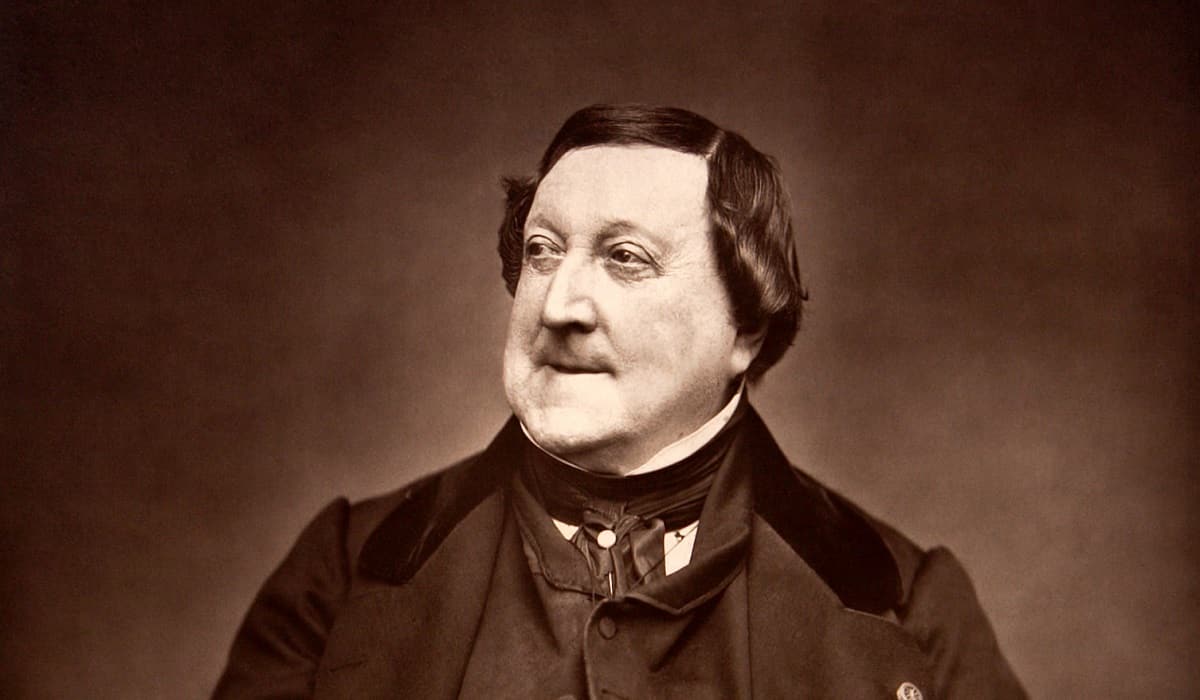
Gioachino Rossini stands among the most influential and celebrated composers in the history of opera. Renowned for his extraordinary melodic gift, vibrant orchestration, and unmatched sense of theatrical timing, Rossini helped shape the development of nineteenth-century opera. His works bridged the Classical and Romantic eras, influencing generations of composers who followed him. Best known for operatic masterpieces such as The Barber of Seville and William Tell, Rossini achieved international fame while still a young man and became one of the most successful composers of his time.
Despite retiring from opera composition at the age of thirty-seven, he left behind a remarkable musical legacy that continues to be performed worldwide. His music remains admired for its elegance, humor, technical brilliance, and emotional expressiveness.
Childhood
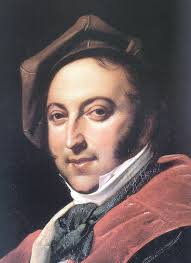
Gioachino Antonio Rossini was born on February 29, 1792, in the city of Pesaro, located on the Adriatic coast of Italy. He was the only child of Giuseppe Rossini and Anna Guidarini. His father worked as a town trumpeter and horn player, while his mother was a talented singer. Music was therefore an integral part of Rossini’s upbringing from the very beginning.
Rossini’s early years coincided with a period of political upheaval in Italy due to the influence of the French Revolution and the military campaigns of Napoleon Bonaparte. His father’s support for revolutionary ideas occasionally brought difficulties to the family, including periods of imprisonment and financial instability.
Despite these challenges, Rossini was exposed to music constantly. He accompanied his parents on their travels and attended theatrical performances from an early age. His remarkable musical aptitude soon became evident. By childhood, he had already begun studying singing, keyboard instruments, and composition.
The young Rossini demonstrated an exceptional memory and a natural ability to understand musical structures. His talent impressed teachers and musicians who recognized his potential long before he reached adulthood.
Youth
Rossini’s formal musical education advanced significantly when his family settled in Bologna. There he studied under several respected teachers and eventually entered the prestigious Liceo Musicale of Bologna.
During his student years, Rossini developed a deep admiration for the music of Wolfgang Amadeus Mozart and Joseph Haydn. He carefully analyzed their compositions, learning valuable lessons about melody, harmony, and dramatic structure. His classmates nicknamed him “Il Tedeschino,” meaning “The Little German,” because of his enthusiasm for the music of Austrian and German composers.
Rossini began composing seriously during his teenage years. He wrote chamber music, sacred works, and instrumental compositions while refining his operatic style. His first operas appeared when he was still very young, attracting attention from theater managers and audiences.
By the age of twenty, Rossini had already established himself as one of Italy’s most promising composers. His ability to compose quickly and effectively became legendary. He could produce complete operatic scores in remarkably short periods while maintaining a consistently high level of quality.
Adulthood
Rossini’s rise to fame was swift and extraordinary. Between 1810 and 1829, he composed nearly forty operas, many of which became major successes throughout Europe.
His breakthrough came with a series of comic operas that showcased his gift for sparkling melodies, energetic rhythms, and comic timing. Among these works, The Barber of Seville became one of the greatest comic operas ever written. Although its premiere in 1816 was initially unsuccessful due to audience hostility and theatrical mishaps, the opera quickly gained popularity and remains a cornerstone of the operatic repertoire.
Rossini’s success extended beyond comic opera. He also excelled in serious opera, creating dramatic works that displayed emotional depth and sophisticated orchestration. His reputation spread rapidly across Europe, leading to commissions from major theaters in Italy, Austria, and France.
In 1824, Rossini moved to Paris, where he became one of the most prominent musical figures of his era. Paris offered him prestige, financial security, and access to some of Europe’s finest performers.
His final opera, William Tell, premiered in 1829. The work represented a significant artistic achievement, featuring ambitious orchestration, dramatic intensity, and innovative musical techniques. The famous overture remains one of the most recognizable pieces of classical music ever composed.
Surprisingly, Rossini retired from opera composition shortly after completing William Tell. Although only thirty-seven years old, he never wrote another opera. Scholars have suggested various reasons for his retirement, including health concerns, changing musical tastes, financial independence, and personal preference.
Even after retiring from the opera stage, Rossini remained an influential cultural figure. He spent much of his later life in Paris and occasionally composed sacred and chamber music. His home became a gathering place for leading musicians, artists, and intellectuals.
Major Compositions
Rossini’s catalog contains numerous masterpieces that continue to enjoy worldwide popularity.
The Barber of Seville (1816)
Widely regarded as Rossini’s greatest comic opera, The Barber of Seville tells the story of the clever barber Figaro and his efforts to help Count Almaviva win the love of Rosina. The opera is celebrated for its humor, brilliant vocal writing, and unforgettable melodies.
La Cenerentola (1817)
Based on the Cinderella story, La Cenerentola transforms a familiar fairy tale into a charming comic opera filled with vocal virtuosity and warmth. It remains one of Rossini’s most frequently performed works.
Semiramide (1823)
One of Rossini’s finest serious operas, Semiramide demonstrates his mastery of dramatic storytelling and complex vocal composition. The work represents the culmination of his Italian operatic style.
The Italian Girl in Algiers (1813)
This comic opera combines humor, exotic settings, and dazzling vocal passages. It helped establish Rossini’s reputation as a master of comic opera.
Tancredi (1813)
Based on a tragedy by Voltaire, Tancredi was one of Rossini’s first major successes. It revealed his ability to compose emotionally powerful serious opera.
William Tell (1829)
Rossini’s final opera is considered one of the most important works of the early Romantic period. Its overture has become one of the most famous pieces in classical music history.
Stabat Mater (1841)
Among Rossini’s most significant sacred works, Stabat Mater combines operatic lyricism with religious devotion and remains a major work in the choral repertoire.
Petite Messe Solennelle (1863)
Composed later in life, this sacred work demonstrates Rossini’s mature artistry and deep understanding of vocal and instrumental writing.
Death
During his final years, Rossini suffered from various health problems, including digestive disorders and physical weakness. Nevertheless, he remained a respected and beloved figure within European musical circles.
Gioachino Rossini died on November 13, 1868, in Paris, France, at the age of seventy-six. His death was widely mourned throughout Europe. Tributes came from musicians, critics, and admirers who recognized his enormous contribution to the art of opera.
Rossini was initially buried in Paris. In 1887, his remains were transferred to the Basilica of Santa Croce in Florence, where many of Italy’s most distinguished cultural figures are buried.
Conclusion
Gioachino Rossini occupies a central place in the history of Western music. Through his extraordinary talent, creativity, and productivity, he transformed the operatic world and established standards that influenced countless composers. His operas combined technical brilliance with emotional appeal, creating works that continue to delight audiences more than two centuries after their creation.
From his humble beginnings in Pesaro to his rise as an international musical celebrity, Rossini’s life exemplifies artistic achievement at the highest level. Whether through the comic genius of The Barber of Seville, the dramatic power of William Tell, or the spiritual beauty of his sacred music, Rossini’s legacy remains secure as one of the greatest composers in the history of classical music.
Comments are closed