Introduction
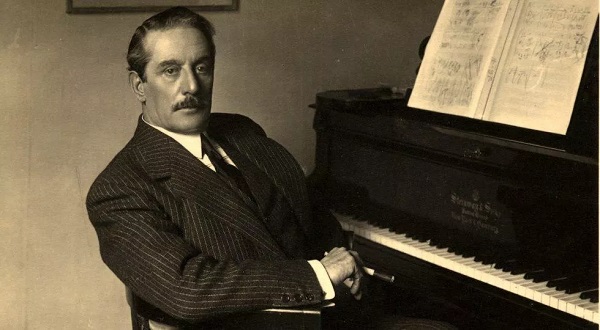
Giacomo Puccini stands among the most celebrated composers in the history of opera. Renowned for his gift for melody, dramatic storytelling, and emotional depth, he became one of the leading figures of Italian opera during the late nineteenth and early twentieth centuries. His works continue to captivate audiences worldwide, combining powerful orchestration with unforgettable characters and deeply human themes.
Puccini’s operas, including La Bohème, Tosca, Madama Butterfly, and Turandot, remain staples of the international repertoire. His ability to portray love, sacrifice, tragedy, and hope with extraordinary realism helped define the operatic tradition for generations. Through his innovative musical language and theatrical instincts, Puccini created masterpieces that bridge the Romantic era and the modern age.
Childhood
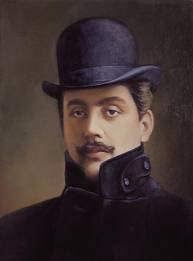
Giacomo Antonio Domenico Michele Secondo Maria Puccini was born on December 22, 1858, in Lucca, a historic city in the Tuscany region of Italy. He came from a distinguished family of musicians whose influence in the city had extended for several generations. His father, Michele Puccini, was a respected composer, organist, and music teacher.
When Giacomo was only five years old, his father died, leaving the family in financial difficulty. Despite this hardship, his mother, Albina Magi, remained determined to provide her son with a musical education. Recognizing his talent, she encouraged him to pursue the family tradition.
As a child, Puccini studied music with local teachers in Lucca. He learned to play the organ and sang in church choirs. Although he did not initially display exceptional discipline as a student, he showed a natural affinity for music and composition. His early experiences in the churches and musical institutions of Lucca helped establish the foundation for his future career.
One event proved especially significant during his youth. In 1876, he walked many miles to attend a performance of Aida by Giuseppe Verdi. The experience profoundly affected him and convinced him that opera, rather than church music, would become his life’s calling.
Youth
Determined to become an opera composer, Puccini enrolled at the Milan Conservatory in 1880. Moving from Lucca to Milan exposed him to the vibrant artistic and cultural life of Italy’s most important musical center.
At the conservatory, he studied composition under respected teachers and became acquainted with many aspiring musicians and artists. Life in Milan was not always easy. Financial difficulties frequently forced him to live modestly, sharing apartments and relying on assistance from friends and family. These experiences would later inspire aspects of his famous opera La Bohème.
While still a student, Puccini composed instrumental and vocal works that demonstrated his growing skill. His graduation composition, Capriccio Sinfonico, attracted favorable attention and suggested considerable promise.
His first opera, Le Villi, premiered in 1884. Although not an immediate commercial success, it impressed critics and influential figures in the Italian musical world. The opera’s reception encouraged publishers and patrons to support the young composer. His second opera, Edgar, followed in 1889, though it achieved only limited success.
Despite early setbacks, Puccini remained committed to developing his craft and finding his unique operatic voice.
Adulthood
Puccini’s career transformed dramatically during the 1890s. His breakthrough came with Manon Lescaut, which premiered in 1893. The opera established him as one of Italy’s leading composers and demonstrated his remarkable ability to combine emotional intensity with lyrical beauty.
The success of Manon Lescaut was followed by a series of masterpieces that secured his international reputation. In 1896, La Bohème premiered and eventually became one of the most beloved operas ever written. Its depiction of struggling young artists in Paris resonated with audiences through its realism and emotional authenticity.
In 1900, Puccini achieved another triumph with Tosca. The opera’s dramatic tension, vivid characters, and powerful score showcased his mastery of theatrical storytelling. Four years later, he introduced Madama Butterfly, which initially received a disappointing reception. However, after revisions, the opera became one of the most admired works in the operatic canon.
During his mature years, Puccini enjoyed international fame and financial success. He lived for much of his life near Torre del Lago in Tuscany, where he found inspiration in nature, hunting, and the peaceful surroundings.
His personal life was often complicated. He maintained a long and sometimes turbulent relationship with Elvira Gemignani, whom he eventually married. Their marriage experienced periods of conflict, and several personal controversies affected the composer’s later years.
Nevertheless, Puccini continued to innovate artistically. He incorporated influences from various musical traditions and explored new harmonic colors while maintaining the melodic richness that audiences loved.
Major Compositions
Le Villi (1884)
Puccini’s first opera demonstrated his early talent for dramatic expression. Based on a legend involving supernatural spirits, the work revealed influences from both Italian and German musical traditions.
Edgar (1889)
Although less successful than his later operas, Edgar helped Puccini refine his compositional style and gain valuable theatrical experience.
Manon Lescaut (1893)
This opera marked Puccini’s first major success. The tragic story of love and loss showcased his gift for emotional characterization and memorable melodies.
La Bohème (1896)
Often considered one of the greatest operas ever composed, La Bohème tells the story of young artists living in Paris. Its poignant portrayal of friendship, love, and mortality continues to move audiences worldwide.
Tosca (1900)
A gripping drama set in Rome, Tosca combines political intrigue, romance, and tragedy. The opera remains famous for its intense dramatic scenes and powerful music.
Madama Butterfly (1904)
This heartbreaking opera tells the story of Cio-Cio-San, a young Japanese woman whose faith in love leads to tragedy. The work is celebrated for its emotional depth and exquisite orchestration.
La Fanciulla del West (1910)
Set during the California Gold Rush, this opera demonstrated Puccini’s willingness to explore new settings and innovative orchestral techniques.
La Rondine (1917)
Combining elements of opera and operetta, La Rondine presents a sophisticated story of romance and sacrifice.
Il Trittico (1918)
This collection consists of three one-act operas: Il Tabarro, Suor Angelica, and Gianni Schicchi. Together they display Puccini’s remarkable versatility, ranging from tragedy to comedy.
Turandot (1926)
Puccini’s final opera remained unfinished at the time of his death. Set in a legendary China, it features some of the most spectacular music in the operatic repertoire, including the famous aria “Nessun dorma.” The opera was completed by another composer using Puccini’s sketches and notes.
Death
During the early 1920s, Puccini continued working on Turandot, an ambitious project that challenged him artistically. However, his health began to decline.
In 1924, doctors diagnosed him with throat cancer. Seeking specialized treatment, he traveled to Brussels, Belgium. Despite undergoing medical procedures, complications developed during his treatment.
Giacomo Puccini died on November 29, 1924, at the age of sixty-five. His death shocked the musical world and brought an end to one of the most remarkable careers in operatic history.
Following his passing, Turandot was completed based on his surviving sketches. When the opera premiered in 1926, the performance became a historic tribute to the composer. During the premiere, the conductor stopped at the point where Puccini had ceased composing and informed the audience that this was where the master had laid down his pen forever.
Conclusion
Giacomo Puccini remains one of the greatest opera composers of all time. His music combines technical brilliance with profound emotional power, allowing audiences to connect deeply with his characters and stories. Through works such as La Bohème, Tosca, Madama Butterfly, and Turandot, he created a legacy that continues to thrive in opera houses around the world.
His ability to blend beautiful melodies, realistic drama, and innovative orchestration ensured his lasting influence on both composers and performers. More than a century after many of his masterpieces were written, Puccini’s operas continue to inspire, entertain, and move audiences, confirming his place among the immortal figures of classical music history.
Comments are closed