Introduction
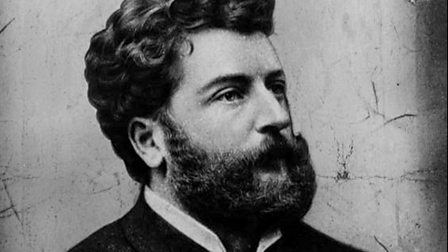
Georges Bizet was one of the most influential French composers of the nineteenth century. Although his life was tragically short, his music left a lasting impact on the world of classical music. Best known for his opera Carmen, Bizet combined memorable melodies, vivid orchestration, and dramatic realism in a way that transformed French opera. Ironically, his greatest masterpiece was not fully appreciated during his lifetime. Today, however, Carmen is considered one of the most frequently performed and beloved operas in the world.
Bizet’s career reflected both extraordinary talent and persistent struggles. From his early years as a musical prodigy to his untimely death at the age of thirty-six, he devoted himself to perfecting his craft despite facing criticism, financial difficulties, and disappointing public reactions. His life story is one of remarkable achievement, artistic perseverance, and posthumous triumph.
Childhood
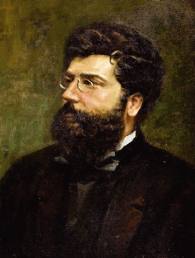
Georges Bizet was born Alexandre César Léopold Bizet on October 25, 1838, in Paris, France. He grew up in a family deeply connected to music. His father, Adolphe Armand Bizet, was a singing teacher and amateur composer, while his mother, Aimée Delsarte, was a gifted pianist. Music was therefore an essential part of his environment from the very beginning.
Bizet displayed exceptional musical abilities at an early age. He learned to read music before he could read words fluently and demonstrated an extraordinary memory for melodies and harmonies. Recognizing his talent, his parents encouraged his musical development.
At only nine years old, Bizet was admitted to the prestigious Paris Conservatory, an institution known for training France’s finest musicians. Such an achievement was highly unusual for someone so young. At the Conservatory, he studied piano, composition, organ, and music theory under some of the leading teachers of the era.
His instructors quickly recognized his brilliance. Bizet excelled in nearly every subject and won numerous prizes. His remarkable piano skills earned him particular admiration, and many believed he could become one of Europe’s greatest concert pianists. However, Bizet chose to focus primarily on composition, believing it offered a deeper form of artistic expression.
Youth
During his teenage years and early adulthood, Bizet continued to distinguish himself at the Paris Conservatory. He won first prizes in piano, fugue, and composition, establishing a reputation as one of France’s most promising young musicians.
One of the defining moments of his youth came in 1857 when he won the prestigious Prix de Rome, one of the highest honors available to young French composers. The award provided a scholarship that allowed him to study in Italy for several years. This opportunity exposed him to new musical traditions, artistic influences, and cultural experiences that significantly shaped his creative development.
While living in Rome, Bizet immersed himself in Italian music and art. He admired the operatic works of composers such as Rossini and Donizetti while continuing to develop his own style. The beauty of the Italian landscape and culture inspired several compositions and broadened his artistic perspective.
During this period, he composed works that demonstrated growing maturity and confidence. Although many of these compositions are not as well known today, they reveal the emergence of the melodic gift and orchestral imagination that would later characterize his masterpieces.
Despite his success abroad, Bizet often felt uncertain about his future. He struggled with self-doubt and worried about earning a living as a composer. Nevertheless, his years in Italy provided valuable experience and prepared him for the challenges awaiting him in Paris.
Adulthood
After returning to France in 1860, Bizet faced the difficult realities of professional life. The Parisian musical world was highly competitive, and opportunities for young composers were limited. To support himself, he worked as a pianist, teacher, arranger, and composer of occasional pieces.
Throughout the 1860s and early 1870s, Bizet composed several operas and orchestral works. Although critics frequently praised his technical skill, his compositions often failed to achieve lasting success with audiences. This lack of recognition became a source of frustration.
Among his early operatic efforts were Les pêcheurs de perles (The Pearl Fishers) and La jolie fille de Perth (The Fair Maid of Perth). These works displayed his gift for melody and dramatic storytelling, but they did not establish him as a leading composer.
Bizet married Geneviève Halévy in 1869. She was the daughter of the distinguished composer Fromental Halévy, who had been one of Bizet’s teachers. Their marriage experienced periods of happiness as well as significant difficulties, including emotional strain and financial concerns. The couple eventually had one son, Jacques Bizet.
The outbreak of the Franco-Prussian War in 1870 disrupted French cultural life. Bizet served in the National Guard during the conflict and witnessed the instability affecting Paris. These experiences deepened his understanding of human emotions and social realities, elements that would later contribute to the realism found in his music.
By the early 1870s, Bizet had matured into a composer of remarkable originality. His orchestration became increasingly sophisticated, and his dramatic instincts grew stronger. These developments culminated in the creation of the work that would secure his immortality: Carmen.
Major Compositions
Although Bizet composed orchestral, choral, piano, and vocal music, he is primarily remembered for his operas.
Symphony in C
Composed when Bizet was only seventeen years old, the Symphony in C demonstrates astonishing maturity. Filled with youthful energy, elegant melodies, and brilliant orchestration, it remained largely unknown until many years after his death. Today it is considered one of the finest symphonies written by a teenage composer.
The Pearl Fishers
Premiered in 1863, The Pearl Fishers is one of Bizet’s earliest significant operas. Set in exotic surroundings, the work features lyrical melodies and emotional drama. The famous duet “Au fond du temple saint” remains a favorite in the operatic repertoire.
The Fair Maid of Perth
Based on a novel by Sir Walter Scott, this opera showcased Bizet’s growing dramatic abilities. While not among his most frequently performed works, it contains many examples of his melodic talent and orchestral skill.
L’Arlésienne
Bizet composed incidental music for a theatrical production of L’Arlésienne in 1872. Although the play itself was unsuccessful, the music received considerable praise. The orchestral suites derived from this score became concert favorites and remain popular today.
Carmen
Premiered in 1875, Carmen is unquestionably Bizet’s masterpiece. The opera tells the story of Carmen, a passionate and independent woman whose relationship with the soldier Don José ends in tragedy.
At the time of its premiere, many audience members were shocked by the opera’s realism, moral ambiguity, and portrayal of ordinary people rather than idealized heroes. Critics offered mixed reviews, and the initial reception was disappointing.
However, musicians recognized its brilliance. The opera’s unforgettable melodies, psychological depth, dramatic intensity, and colorful orchestration gradually won admiration throughout Europe and beyond.
Today, Carmen is widely regarded as one of the greatest operas ever written. Famous numbers such as the “Habanera,” the “Seguidilla,” and the “Toreador Song” are known even to audiences unfamiliar with opera.
Death
The disappointing reception of Carmen deeply affected Bizet. Although some supporters praised the work, he believed it had failed. Combined with ongoing personal and professional stresses, the situation took a toll on his health.
In the spring of 1875, Bizet suffered from severe physical exhaustion and illness. Shortly after attending performances of Carmen, he experienced worsening symptoms.
On June 3, 1875, Georges Bizet died in Bougival, near Paris, at the age of thirty-six. The official cause of death was generally attributed to complications related to heart disease, although some accounts suggest rheumatic illness may have contributed.
His death shocked friends, colleagues, and members of the musical community. Tragically, he never lived to witness the growing success of Carmen. Within months of his passing, productions in other European cities began receiving enthusiastic acclaim. The opera soon became an international sensation.
Bizet was buried in the famous Père Lachaise Cemetery in Paris, where many distinguished artists, writers, and musicians are also laid to rest.
Conclusion
Georges Bizet’s life was brief but extraordinarily significant. A child prodigy, accomplished pianist, and gifted composer, he devoted himself to creating music of exceptional beauty and dramatic power. Despite numerous setbacks and disappointments during his lifetime, he remained committed to artistic excellence.
His masterpiece, Carmen, revolutionized opera through its realism, emotional intensity, and unforgettable music. The work transformed Bizet from a relatively underappreciated composer into one of the most celebrated figures in classical music history.
Today, Bizet’s compositions continue to captivate audiences around the world. His operas, orchestral works, and melodies remain central to the classical repertoire, ensuring that his artistic legacy endures. Though he died young, Georges Bizet achieved what every artist hopes for: the creation of works that transcend time and continue to inspire generations long after their creator is gone.
Comments are closed