
Introduction
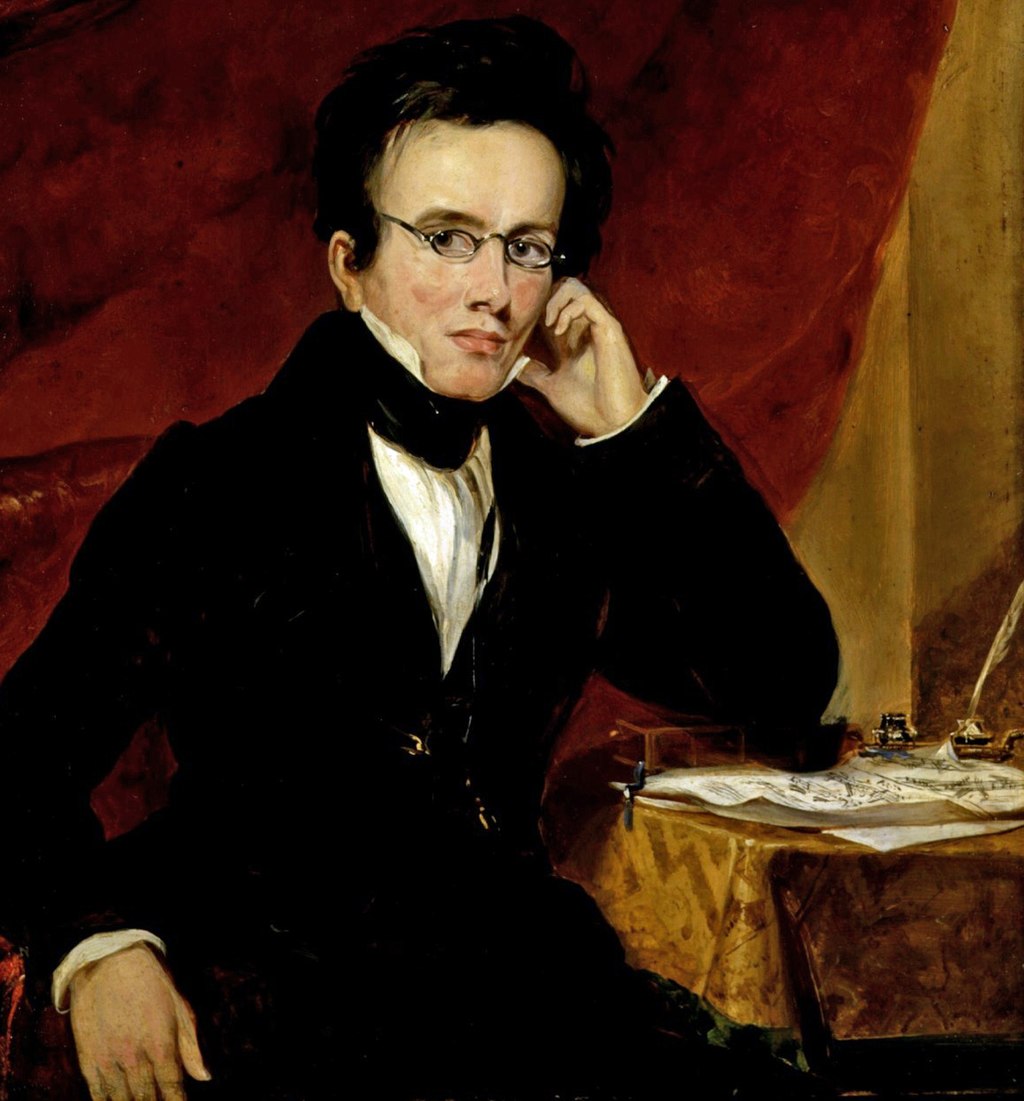
Sir John Goss was one of the leading English composers of sacred music during the Victorian age. Born at the dawn of the nineteenth century, he devoted most of his life to church music, becoming one of the foremost organists and teachers of his generation. His compositions combined elegance, clarity, and devotional sincerity, making them favorites in churches and cathedrals throughout the English-speaking world.
While many Romantic composers focused on symphonies, operas, and concert works, Goss concentrated on sacred choral music and hymnody. His contributions to Anglican church music remain significant, and many of his hymn tunes continue to be sung today. Through his teaching, performing, and composing, he played a central role in preserving and strengthening England’s sacred musical traditions.
Childhood
John Goss was born on December 27, 1800, in Fareham, Hampshire, England. He grew up in a musical household. His father, Joseph Goss, was a respected musician and organist who introduced his son to music at an early age. The environment in which John was raised encouraged musical study and discipline, laying the foundation for his future career.
As a child, Goss displayed considerable musical talent. In 1811, at the age of ten, he became a chorister in the Chapel Royal in London. This prestigious institution provided him with an excellent musical education and exposed him to some of the finest church music in England. During these formative years, he learned singing, keyboard performance, and the fundamentals of composition.
His experience in the Chapel Royal not only developed his technical skills but also instilled a lifelong appreciation for sacred music and liturgical traditions.
Youth
After leaving the Chapel Royal, Goss continued his musical education under Thomas Attwood, one of the most respected English musicians of the period and a former pupil of Mozart. Attwood served as organist of St. Paul’s Cathedral and became an important mentor to the young musician.
Under Attwood’s guidance, Goss refined his abilities in harmony, composition, and organ performance. He absorbed the classical traditions of church music while developing his own compositional voice.
In his early professional years, Goss briefly worked as a singer in an opera chorus associated with London’s theatrical world. Although this experience broadened his musical horizons, his true calling remained church music. In 1821 he was appointed organist at Stockwell Chapel in South London, marking the beginning of a distinguished career as a church musician.
These years were characterized by hard work, study, and gradual professional advancement as Goss established himself within England’s musical community.
Adulthood
Goss’s reputation grew steadily throughout the 1820s and 1830s. In 1824 he became organist of St. Luke’s Church in Chelsea, a position he held for fourteen years. During this period he gained recognition as both a performer and composer.
A major turning point came in 1838 when he succeeded his mentor Thomas Attwood as organist of St. Paul’s Cathedral. This appointment placed him at the center of English church music. At St. Paul’s he worked tirelessly to improve musical standards, although he often faced challenges due to limited resources and resistance to change.
Alongside his cathedral duties, Goss became a highly respected teacher. Beginning in 1827, he served as professor of harmony at the Royal Academy of Music, a position he held for nearly half a century. His students included several musicians who later became prominent figures in British music.
His influence extended beyond teaching and performance. In 1856 he was appointed a Composer to the Chapel Royal, an honor that recognized his stature within English musical life. He continued composing church music, hymn tunes, and educational works throughout his career.
During the 1860s and early 1870s, Goss remained one of Britain’s most respected church musicians. His services at St. Paul’s Cathedral became important musical events, and he played a significant role in major national ceremonies.
In recognition of his contributions to music, he was knighted in 1872. He later received an honorary Doctor of Music degree from the University of Cambridge, further confirming his distinguished status.
Major Compositions
John Goss composed a large body of sacred music, including anthems, hymn tunes, chants, services, and devotional works. His style emphasized melodic beauty, clear vocal writing, and reverent expression.
Among his most famous hymn tunes are:
Praise, My Soul, the King of Heaven
Perhaps Goss’s best-known composition, this hymn tune became one of the most beloved hymns in Anglican worship. Its noble melody and dignified character have ensured its enduring popularity.
See, Amid the Winter’s Snow
This Christmas hymn remains widely sung during the holiday season. Its graceful melody and devotional atmosphere have made it a staple of church repertoires.
O Saviour of the World
One of Goss’s finest anthems, this work demonstrates his mastery of choral writing and his sensitivity to sacred texts.
The Wilderness
Considered one of his greatest sacred compositions, this anthem displays both lyrical beauty and dramatic power. It remains one of the most admired examples of Victorian church music.
If We Believe That Jesus Died
Written for the funeral of the Duke of Wellington, this anthem became one of Goss’s most celebrated works and exemplifies his ability to combine solemnity with expressive warmth.
In addition to these compositions, Goss published educational works on harmony and church music, helping to train future generations of musicians.
Death
By the early 1870s, Goss’s health had begun to decline. After decades of service to church music, he retired from his position at St. Paul’s Cathedral in 1872. His former pupil, John Stainer, succeeded him as organist.
Retirement allowed him some respite after years of demanding professional responsibilities. However, his health continued to weaken during the following years.
John Goss died on May 10, 1880, at his home in Brixton, London, at the age of seventy-nine. His funeral service was held at St. Paul’s Cathedral, a fitting tribute to a musician who had devoted so much of his life to the institution. He was subsequently buried in Kensal Green Cemetery.
The respect shown at his funeral reflected the high esteem in which he was held by colleagues, students, clergy, and the wider musical community.
Conclusion
Sir John Goss occupies a unique place in the history of English music. Although he did not seek fame through large orchestral works or operatic success, his contributions to sacred music were profound and lasting. As an organist, teacher, and composer, he helped define the sound of Victorian Anglican worship and influenced generations of musicians.
His hymn tunes continue to be sung throughout the world, and his anthems remain valued by church choirs and cathedral musicians. Through his dedication to musical excellence and spiritual expression, John Goss left a legacy that has endured for more than a century.
Comments are closed