Introduction
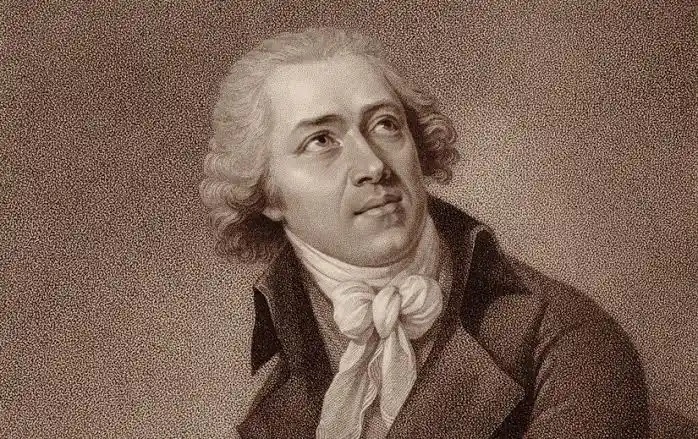
Leopold Koželuch was one of the most respected composers, pianists, teachers, and music publishers of the Classical era. Born in Bohemia during the mid-eighteenth century, he rose to prominence in Vienna, the musical capital of Europe. During his lifetime, his reputation rivaled that of many celebrated composers, including Wolfgang Amadeus Mozart. He became known for his refined keyboard music, elegant chamber works, and influential role in the development of piano performance.
Although his fame declined after his death, modern scholars and performers have rediscovered his music and recognized his importance as a bridge between the mature Classical style of Haydn and Mozart and the emerging Romantic language later developed by Beethoven and Schubert. His extensive catalog of works demonstrates remarkable craftsmanship and reveals a composer who played a significant role in shaping the musical tastes of late eighteenth-century Europe.

Childhood
Leopold Koželuch was born as Jan Antonín Koželuh on June 26, 1747, in the town of Velvary in Bohemia, then part of the Habsburg Monarchy and now located in the Czech Republic. He came from a modest family. His father, Antonín Bartholomäus Koželuh, worked as a shoemaker, but the family valued education and culture.
Music entered his life at an early age. His cousin, Jan Antonín Koželuh, was already an established musician and became one of his first teachers. Under his guidance, the young Leopold learned the fundamentals of composition and keyboard performance. His musical talent quickly became evident, encouraging him to pursue more advanced studies.
As a child, he demonstrated exceptional aptitude for music, mastering keyboard techniques and developing a strong understanding of musical structure. These early experiences laid the foundation for a career that would eventually take him far beyond his hometown.
Youth
Seeking broader opportunities, Koželuch moved to Prague, one of the most important cultural centers in Bohemia. There he continued his studies with respected musicians, including František Xaver Dušek, who provided advanced instruction in composition and keyboard performance.
During the 1770s, Koželuch began attracting attention as a composer of theatrical works. He wrote numerous ballets and pantomimes that were successfully staged in Prague. Their popularity established his reputation and convinced him to devote himself fully to music rather than pursue other professional possibilities.
Around this period, he adopted the name Leopold in order to distinguish himself from his cousin, who shared a similar name and was also active as a composer. The name change helped him establish an independent professional identity.
His success in Prague gave him confidence and visibility, preparing him for the next major step in his career. Like many ambitious musicians of his generation, he understood that true artistic recognition could best be achieved in Vienna.
Adulthood
In 1778, Koželuch relocated to Vienna, where he would spend the remainder of his life. The city was the center of European musical culture, attracting composers, performers, aristocrats, and patrons from across the continent.
Koželuch quickly established himself as a highly sought-after piano teacher and composer. Unlike many virtuosos of his time, he rarely performed in public. Instead, he built his reputation through private teaching, publishing, and composition. Members of the aristocracy eagerly sought instruction from him, and his works circulated widely throughout Europe.
His reputation grew steadily during the 1780s. Many contemporaries considered him one of the finest keyboard composers of his generation. His piano sonatas and concertos were admired for their elegance, expressive depth, and technical sophistication.
An important moment came in 1781 when Mozart resigned from his position as court organist in Salzburg. Koželuch was offered the opportunity to succeed him but declined. He believed the position offered limited artistic freedom and financial security.
His standing continued to rise, however, and in 1792, after Mozart’s death, Emperor Francis II appointed Koželuch as Court Composer and Kammer Kapellmeister. The appointment placed him among the most influential musicians in the Austrian Empire. He held these prestigious positions until his death.
Beyond composing and teaching, Koželuch became involved in music publishing. He established connections with publishers throughout Europe and contributed significantly to the dissemination of new music. His entrepreneurial activities expanded his influence and increased his financial success.
During the later years of his career, he devoted considerable attention to arranging Scottish, Irish, and Welsh folk melodies for publication. These arrangements became popular and helped introduce traditional British melodies to a broader European audience.
Although younger composers such as Beethoven gradually attracted greater attention during the early nineteenth century, Koželuch remained a respected figure within Viennese musical society.
Major Compositions
Leopold Koželuch left behind an impressive body of approximately four hundred compositions. His music encompasses nearly every major genre of the Classical period.
Piano Sonatas
His piano sonatas represent some of his most important achievements. Written throughout much of his career, these works helped establish the expressive possibilities of the fortepiano. Many contain dramatic contrasts, lyrical melodies, and emotional intensity that anticipate Romantic musical styles.
Piano Concertos
Koželuch composed more than twenty piano concertos. These works showcase his mastery of keyboard writing and reveal why he was regarded as one of Europe’s leading piano composers. The concertos combine elegance, virtuosity, and structural clarity.
Symphonies
His orchestral output includes approximately thirty symphonies. While less frequently performed today than those of Haydn or Mozart, they demonstrate strong craftsmanship and reflect the evolving Classical orchestral style of the late eighteenth century.
Chamber Music
Koželuch excelled in chamber music. His sixty-three piano trios, six string quartets, and numerous violin sonatas were widely admired. Many of these works reveal innovative harmonic ideas and expressive qualities that foreshadow early Romanticism.
Clarinet Concertos
Among his most notable instrumental works are two clarinet concertos. These compositions contributed to the growing repertoire for the instrument and remain valuable examples of Classical concerto writing.
Vocal and Stage Works
Koželuch composed operas, cantatas, oratorios, and sacred music. Although many of these works have been lost or remain rarely performed, they formed an important part of his output during his lifetime. His theatrical compositions were especially significant in establishing his early reputation in Prague.
Folk Song Arrangements
His arrangements of Scottish, Irish, and Welsh folk songs became highly popular. These works demonstrated his versatility and his ability to adapt traditional melodies into sophisticated art music suitable for domestic performance.
Death
Leopold Koželuch died in Vienna on May 7, 1818, at the age of seventy. He had served the imperial court for more than twenty-five years and had become one of the most respected musical figures in the Austrian Empire.
At the time of his death, musical tastes were changing rapidly. Beethoven’s revolutionary works were reshaping the musical landscape, and Koželuch’s more refined Classical style appeared increasingly old-fashioned. As a result, his reputation gradually faded during the nineteenth century.
Nevertheless, his influence remained present through his students, published works, and contributions to piano literature. His daughter, Catherina Cibbini-Kozeluch, became a respected pianist and composer, continuing the family’s musical legacy.
Conclusion
Leopold Koželuch occupies an important place in the history of Western classical music. During his lifetime, he enjoyed remarkable success as a composer, pianist, teacher, publisher, and court musician. His works were performed across Europe, and his reputation often rivaled that of some of the era’s most celebrated composers.
His music reflects the elegance and balance of the Classical style while simultaneously anticipating the emotional depth and expressive freedom of the Romantic period. Through his piano sonatas, concertos, chamber works, and orchestral compositions, he helped shape the development of keyboard music and contributed significantly to the growing popularity of the piano.
Although overshadowed for many years by Mozart, Haydn, and Beethoven, modern scholarship has restored appreciation for Koželuch’s achievements. Today he is increasingly recognized as a gifted and innovative composer whose music deserves a prominent place within the rich tradition of Classical-era composition.
Comments are closed