Introduction
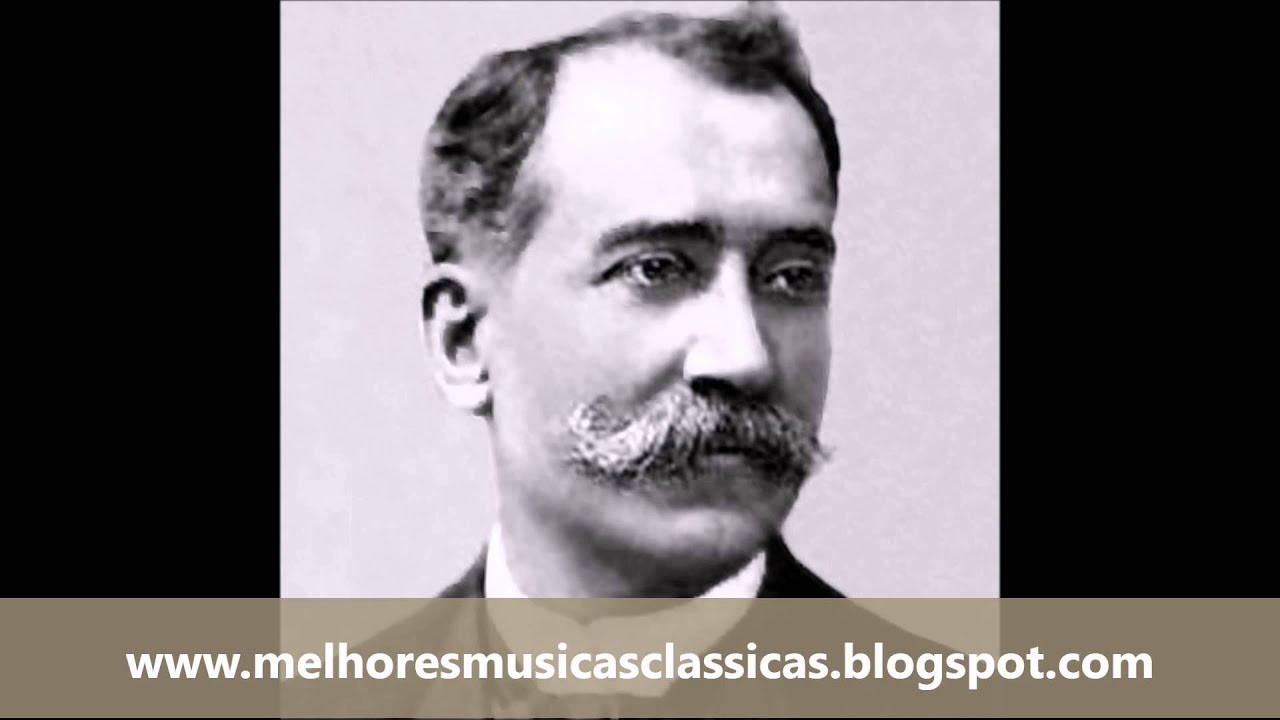
Leopoldo Miguez was one of the most important figures in the development of Brazilian classical music during the late nineteenth century. A composer, conductor, violinist, educator, and administrator, he played a decisive role in modernizing musical life in Brazil. Miguez became particularly known for introducing contemporary European musical ideas to Brazilian audiences, especially the innovations of Richard Wagner. His influence extended beyond composition into music education, where he helped shape the future of professional musical training in Brazil. He is also remembered as the composer of the music for the Brazilian Hymn of the Proclamation of the Republic and as the first director of the National Institute of Music in Rio de Janeiro.
Childhood
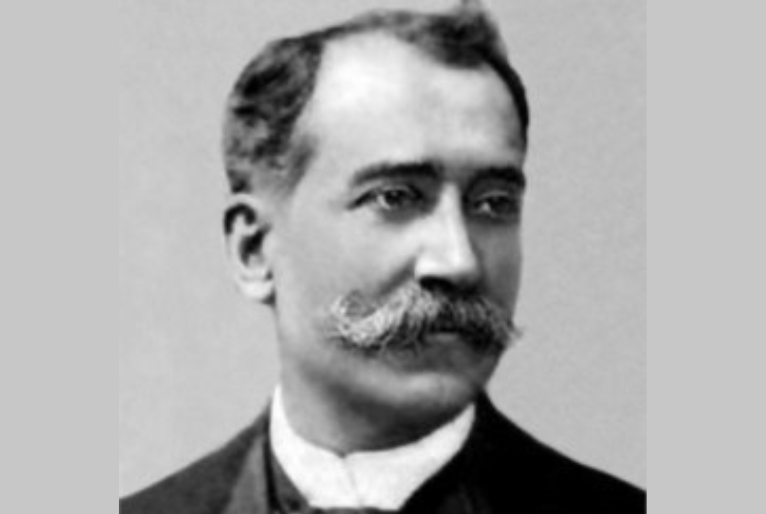
Leopoldo Américo Miguez was born on September 9, 1850, in Niterói, Brazil. His father was Spanish, and his mother was Brazilian. When he was still very young, his family moved to Spain and later settled in Porto, Portugal. It was there that Miguez spent most of his childhood and received his early education.
His musical talent appeared at an early age. He studied violin with Nicolau Medina Ribas and received instruction in harmony and composition from Giovanni Franchini. By the age of eight, he had already performed publicly as a violin soloist in Porto, demonstrating remarkable ability for a child. These formative years provided him with a solid European musical foundation that would later influence his artistic style and professional career.
Youth
Despite his evident musical gifts, Miguez’s father encouraged him to pursue a commercial career rather than a musical one. As a teenager, he entered the business world and worked in commercial enterprises. Nevertheless, his passion for music never diminished.
In 1871, at the age of twenty-one, he returned to Brazil and settled in Rio de Janeiro. During this period, he worked as a bookkeeper while continuing to cultivate his musical interests. His involvement in the cultural life of Rio gradually increased, and he became associated with leading musicians of the time.
In 1878, he entered into partnership with the distinguished pianist Arthur Napoleão. Together they operated a business devoted to pianos, sheet music, concerts, and musical publications. This experience gave Miguez valuable insight into the broader musical world and helped establish his reputation within Brazilian artistic circles.
Adulthood
Determined to improve his musical training, Miguez traveled to Europe in 1882. He spent time in Paris and Brussels, where he studied contemporary musical trends and became deeply influenced by the works of Richard Wagner, as well as the music of Franz Liszt and Hector Berlioz. His exposure to European musical modernism profoundly shaped his compositional language.
When he returned to Brazil in 1884, he emerged as one of the country’s strongest advocates of Wagnerian aesthetics. Through concerts, lectures, and artistic organizations, he promoted contemporary orchestral music and encouraged Brazilian musicians to embrace modern compositional techniques.
The proclamation of the Brazilian Republic in 1889 marked a turning point in his career. His composition won the competition for a new national anthem. Although the winning work was ultimately designated as the Hymn of the Proclamation of the Republic rather than the national anthem itself, it became one of the principal symbols of the new republican regime.
In 1890, Miguez was appointed the first director of the newly established National Institute of Music in Rio de Janeiro. Under his leadership, the institution underwent extensive modernization. He introduced stricter academic standards, improved administrative organization, expanded the library, and strengthened orchestral resources. His work helped transform the institute into the leading center of musical education in Brazil.
In 1895, he traveled again to Europe to study educational systems and conservatory methods. The knowledge he acquired during this journey further influenced reforms at the institute. He also contributed to music theory through publications and articles addressing harmony and chromatic scales.
Major Compositions
Leopoldo Miguez produced a substantial body of work that includes symphonic poems, orchestral works, chamber music, operas, vocal compositions, and piano pieces. His music often reflected the influence of Wagnerian harmony and orchestral color while maintaining a distinctive Brazilian character.
Symphony in B-flat Major (1882)
Considered one of the earliest important Brazilian symphonies, this work demonstrated Miguez’s mastery of large-scale orchestral writing and his absorption of European Romantic traditions.
Parisina (1888)
A symphonic poem inspired by literary themes, Parisina showcased his dramatic orchestration and sophisticated harmonic language.
Ave, Libertas! (1890)
This symphonic poem celebrated the ideals of liberty and reflected the political transformations occurring in Brazil during the early republican era. It remains one of his most admired orchestral works.
Prometheus (1891)
Inspired by classical mythology, this symphonic poem is often regarded as one of the finest examples of Brazilian orchestral Romanticism.
Suite à l’antique (1893)
One of his most frequently performed compositions, this orchestral suite combines historical stylistic references with Romantic orchestral techniques.
Violin Sonata, Op. 14
This chamber work demonstrates his skill in combining expressive lyricism with technical sophistication and remains an important contribution to Brazilian chamber music literature.
Operas
His principal operatic works include Pelo Amor! and Os Saldunes (I Salduni), both based on librettos by the Brazilian writer Coelho Neto. These operas reflected his desire to establish a national operatic tradition while drawing upon European dramatic models.
Death
After more than a decade of service as educator, administrator, conductor, and composer, Miguez’s health began to decline. Nevertheless, he remained active in Brazilian musical life until the end of his life. He continued directing the National Institute of Music and promoting artistic development throughout the country.
Leopoldo Miguez died in Rio de Janeiro on July 6, 1902, at the age of fifty-one. His death marked the loss of one of the principal architects of Brazil’s emerging classical music tradition.
Conclusion
Leopoldo Miguez occupies a central place in Brazilian musical history. More than a composer, he was a reformer who helped modernize music education, expand orchestral culture, and connect Brazilian musical life with the most advanced artistic currents of Europe. His leadership of the National Institute of Music laid the foundation for generations of Brazilian musicians, while his compositions remain significant examples of late Romantic orchestral and chamber music.
Today, Miguez is remembered as one of the leading figures of Brazilian Romanticism, a champion of artistic innovation, and a pioneer whose contributions helped shape the course of classical music in Brazil. His legacy continues through his works, his educational reforms, and his lasting influence on the nation’s cultural development.
Comments are closed