Introduction
Marc-Antoine Charpentier was one of the most important composers of the French Baroque era and is widely regarded as one of the greatest musical figures of seventeenth-century France. Living during the reign of Louis XIV, he developed a distinctive style that combined the elegance of French music with the expressive richness of the Italian tradition. Although he spent much of his life working outside the royal court, his music has endured through the centuries and today occupies a central place in the history of Western classical music. His surviving output includes hundreds of sacred and secular compositions, ranging from operas and oratorios to masses, motets, and instrumental works.
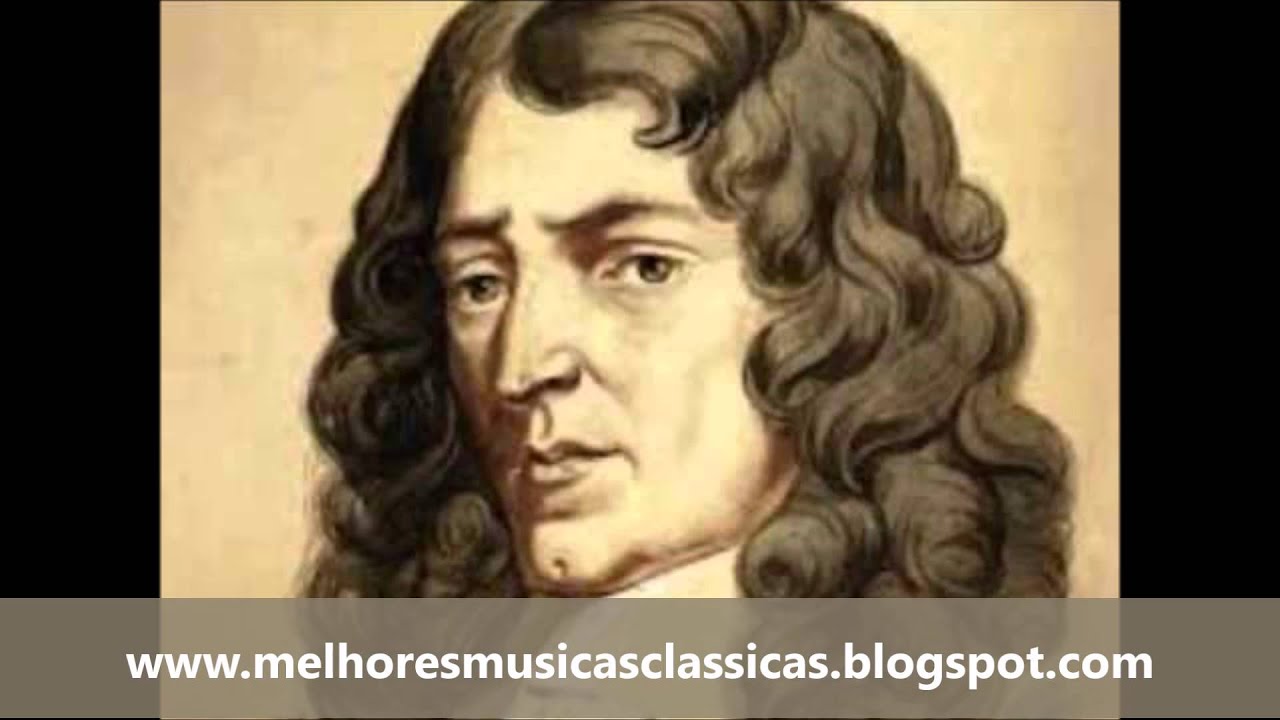
Childhood
Very little reliable information survives regarding Charpentier’s childhood. Historians believe that he was born in or near Paris, France, in 1643. He came from a prosperous family and appears to have received an excellent education. Unlike many composers of his era, there is little documentary evidence concerning his early musical training.
Some scholars suggest that his family may have intended him for a profession outside music and that he may have initially studied painting. Whatever the case, Charpentier developed a broad intellectual foundation that included literature, theology, and classical studies. These influences would later become evident in the sophistication and depth of his sacred compositions.
His early years remain somewhat mysterious, but they undoubtedly prepared him for the remarkable musical career that followed.
Youth
A decisive chapter in Charpentier’s life began when he traveled to Italy during the 1660s. There he studied under the celebrated composer Giacomo Carissimi, one of the leading figures of Roman sacred music. This experience proved transformative.
Under Carissimi’s guidance, Charpentier mastered advanced compositional techniques, including counterpoint, expressive vocal writing, and dramatic musical storytelling. He became deeply acquainted with the Italian style, which emphasized emotional expression and dramatic contrast.
When he returned to France, he brought with him a unique musical perspective that distinguished him from many of his contemporaries. While French composers generally followed national traditions, Charpentier successfully blended Italian expressiveness with French elegance. This combination would become one of the defining characteristics of his music throughout his career.
Adulthood
After returning to Paris, Charpentier entered the service of Marie de Lorraine, known as Mademoiselle de Guise. He remained associated with her household for many years, composing a wide range of sacred and secular works. This position offered him artistic freedom and allowed him to develop his own musical voice.
During the 1670s and 1680s, Charpentier collaborated with the famous playwright Molière. Following disagreements between Molière and the influential court composer Jean-Baptiste Lully, Charpentier was invited to provide music for several theatrical productions. These collaborations expanded his reputation and demonstrated his versatility as a composer.
Throughout his career, Charpentier worked extensively for religious institutions in Paris, including churches, convents, and Jesuit organizations. His deep religious convictions and exceptional compositional skill inspired a vast collection of sacred works. He became especially known for his masses, motets, psalm settings, and oratorios, which combined technical mastery with profound emotional expression.
In 1698, he achieved one of the highest honors of his career when he was appointed Master of Music at the Sainte-Chapelle in Paris. This prestigious position placed him in charge of music at one of France’s most important religious institutions. He continued serving there until the end of his life.
Major Compositions
Charpentier’s surviving catalog contains more than five hundred works, making him one of the most prolific composers of the Baroque period.
Te Deum, H.146
The Te Deum is perhaps Charpentier’s most famous composition. Its brilliant instrumental prelude, known as the Marche en rondeau, became internationally recognized centuries later and remains one of the most familiar pieces of Baroque music. The work exemplifies Charpentier’s skill in creating grand ceremonial music.
Médée
Composed in 1693, Médée is widely regarded as Charpentier’s operatic masterpiece. Based on the ancient Greek myth of Medea, the opera combines powerful drama, expressive vocal writing, and sophisticated orchestration. Today it is considered one of the greatest French operas of the Baroque era.
David et Jonathas
First performed in 1688, David et Jonathas recounts the biblical story of David and Jonathan. The work is admired for its emotional intensity, beautiful choruses, and dramatic effectiveness. It remains one of Charpentier’s most highly regarded compositions.
Messe de Minuit pour Noël
This Christmas Mass is notable for its incorporation of traditional French Christmas melodies into a refined liturgical setting. The work demonstrates Charpentier’s ability to transform familiar tunes into sophisticated sacred music and remains a favorite among performers and audiences.
Sacred Motets and Oratorios
Charpentier composed a large number of sacred works, including grand motets, small motets, psalm settings, lamentations, and oratorios. Pieces such as De Profundis, Le Reniement de Saint Pierre, and Caecilia Virgo et Martyr reveal his exceptional gift for combining dramatic narrative with spiritual devotion.
Many music historians consider his sacred compositions among the greatest achievements of French Baroque music.
Death
During his final years, Charpentier continued his duties at the Sainte-Chapelle while remaining active as a composer. The demands of his work gradually affected his health.
He died in Paris on February 24, 1704, at approximately sixty-one years of age. Although he was respected during his lifetime, much of his music remained unpublished after his death. As a result, his reputation gradually faded during the eighteenth and nineteenth centuries.
Fortunately, Charpentier carefully preserved his manuscripts. These documents survived and eventually allowed scholars and musicians to rediscover his extraordinary contributions to music history.
Conclusion
Marc-Antoine Charpentier occupies a distinguished place among the greatest composers of the Baroque era. His ability to unite the emotional richness of Italian music with the refinement of French tradition resulted in a unique and enduring artistic legacy.
Despite living in the shadow of more politically influential composers such as Jean-Baptiste Lully, Charpentier created a remarkable body of work characterized by beauty, originality, and expressive depth. His sacred music, operas, and instrumental compositions continue to be performed and studied throughout the world.
Today, he is recognized as one of the most important French composers of the seventeenth century and a central figure in the development of Baroque music. His works remain a testament to his creativity, craftsmanship, and profound understanding of the expressive power of music.
Comments are closed