Introduction
Marin Marais was one of the most influential composers and performers of the French Baroque era. Celebrated for his mastery of the viola da gamba, he elevated the instrument to unprecedented artistic heights and became the foremost representative of the French viol tradition. During a career that spanned more than five decades, Marais served at the court of King Louis XIV, composed operas for the Paris stage, and published extensive collections of instrumental music that continue to be performed today. His works combined technical brilliance, expressive depth, and imaginative storytelling, making him one of the most significant figures in seventeenth- and early eighteenth-century French music.
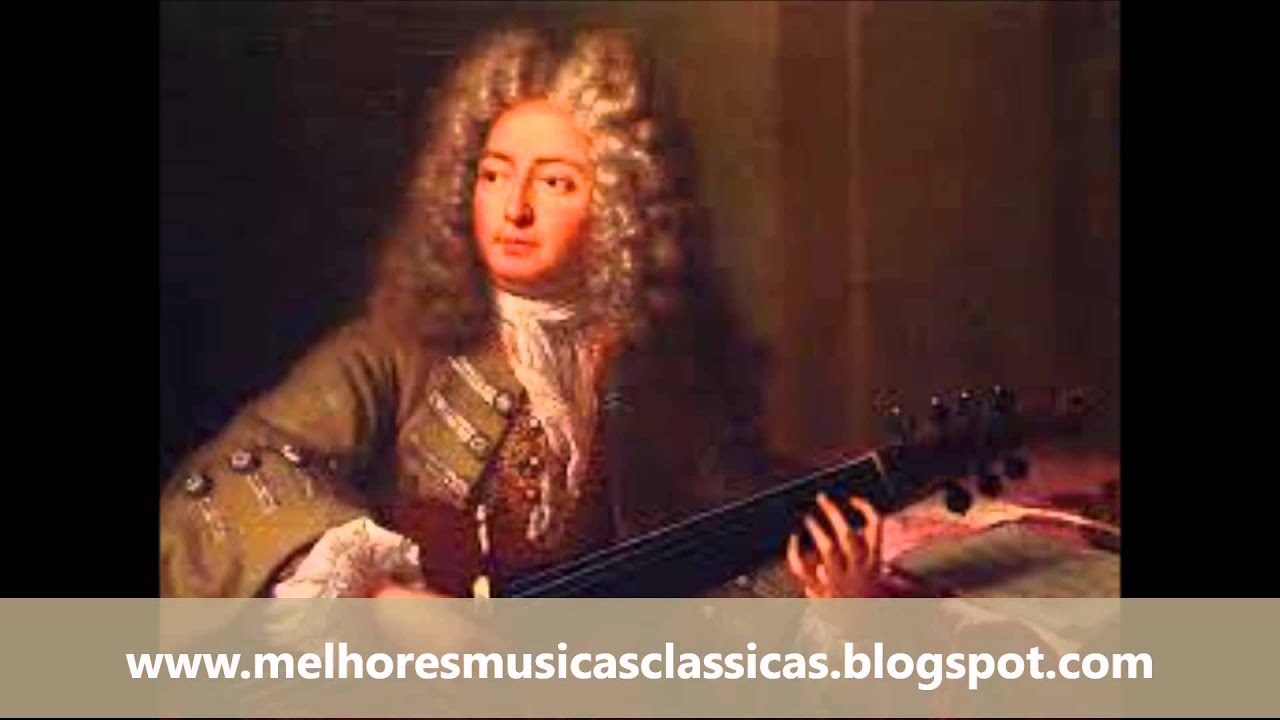
Childhood
Marin Marais was born in Paris, France, on May 31, 1656. He grew up in a modest family during a period when France was becoming the dominant cultural power in Europe. His father worked as a shoemaker, and the family did not belong to the aristocratic circles that often nurtured musicians. Nevertheless, young Marin displayed remarkable musical talent from an early age.
As a child, he sang in the choir of the Church of Saint-Germain-l’Auxerrois in Paris. The rigorous musical training provided by church institutions gave him a strong foundation in vocal music, theory, and performance. Although his voice eventually changed and ended his choir career, the experience provided him with valuable musical skills that would shape his future development as a composer and performer.
Youth
Following his choir years, Marais turned his attention to the viola da gamba, an instrument that would define his career. He studied under the legendary viol master Monsieur de Sainte-Colombe, one of the most respected performers of the era. Although the period of formal study was relatively brief, Sainte-Colombe’s influence on Marais was profound and lasting.
Marais also studied composition with Jean-Baptiste Lully, the dominant musical figure at the court of Louis XIV. Under Lully’s guidance, he learned the principles of French operatic and orchestral writing. This training provided him with the skills necessary to work in large-scale musical productions and helped establish his reputation among influential musicians and patrons.
By his early twenties, Marais had already become recognized as a gifted performer and promising composer. In 1676, he entered royal service at Versailles, beginning a long and successful association with the French court.
Adulthood
Marais’s adult life was marked by extraordinary professional success. After joining the royal court, he quickly gained recognition for his virtuosity and musical intelligence. In 1679, he received the prestigious appointment of Ordinaire de la Chambre du Roi pour la Viole, making him one of the official musicians of King Louis XIV. He retained this position for more than four decades.
At Versailles, Marais performed for the royal family and participated in the elaborate musical culture that characterized the reign of the Sun King. His reputation spread throughout France, and he became widely regarded as the greatest viol player of his generation.
In addition to his court duties, Marais worked closely with the Paris Opera. He conducted performances and became involved in the production of French lyric tragedies. His operatic works demonstrated his ability to combine dramatic expression with the elegance and refinement expected by French audiences.
Marais married Catherine d’Amicourt in 1676, and the couple had numerous children. Among them was Roland Marais, who later became a composer and viol player himself.
As he grew older, Marais gradually withdrew from public life, devoting more time to composition and the publication of his music. By the early eighteenth century, he was considered a living legend within French musical circles.
Major Compositions
Marin Marais left an extensive and diverse body of work that reflects both his virtuosity and creativity.
Pièces de Viole
His most celebrated achievement was the publication of five books of Pièces de Viole between 1686 and 1725. These collections contain hundreds of works for viola da gamba and basso continuo and represent the pinnacle of the French viol repertoire. The pieces range from elegant dances and character pieces to technically demanding virtuoso works.
Among the most famous compositions in these collections are:
- Les Folies d’Espagne
- La Rêveuse
- Le Labyrinthe
- Tombeau pour Monsieur de Lully
- Tombeau pour Monsieur de Sainte-Colombe
Chamber Music
Marais was among the earliest French composers to embrace the trio sonata style. His Pièces en Trio expanded the possibilities of French chamber music and demonstrated the influence of Italian musical forms while maintaining a distinctly French character.
La Gamme
Published in 1723, La Gamme et autres morceaux de symphonie is one of his most innovative collections. It includes the celebrated Sonnerie de Sainte-Geneviève du Mont-de-Paris, a work admired for its hypnotic repeating bass pattern and rich harmonic imagination.
Operas
Marais also composed several operas, including:
- Alcide (1693)
- Ariane et Bacchus (1696)
- Alcyone (1706)
- Sémélé (1709)
Among these, Alcyone achieved particular fame because of its dramatic storm scene, which was considered a remarkable achievement in theatrical music and stage effects.
Death
After decades of service to French music, Marin Marais spent his final years in relative retirement. Though he had largely withdrawn from public performance, his reputation remained immense, and his published works continued to circulate widely among musicians.
Marais died in Paris on August 15, 1728, at the age of seventy-two. His death marked the end of an era in French Baroque music. By the time of his passing, changing musical tastes were beginning to favor newer styles, yet his contributions to the viola da gamba repertoire remained unmatched.
He was buried in Paris, leaving behind a legacy that would influence generations of performers and composers.
Conclusion
Marin Marais stands as one of the greatest figures in the history of French Baroque music. Through his virtuosity, innovation, and artistic vision, he transformed the viola da gamba from a courtly instrument into a powerful vehicle for musical expression. His five books of Pièces de Viole, his chamber music, and his operas remain essential parts of the Baroque repertoire.
Although the viola da gamba eventually declined in popularity, Marais’s music survived through manuscripts, publications, and later revivals. The twentieth-century rediscovery of early music brought renewed attention to his works, and today he is recognized as one of the most important composers of the French Baroque tradition. His compositions continue to captivate audiences with their elegance, emotional depth, and technical brilliance, ensuring that his legacy endures nearly three centuries after his death.
Comments are closed