Introduction
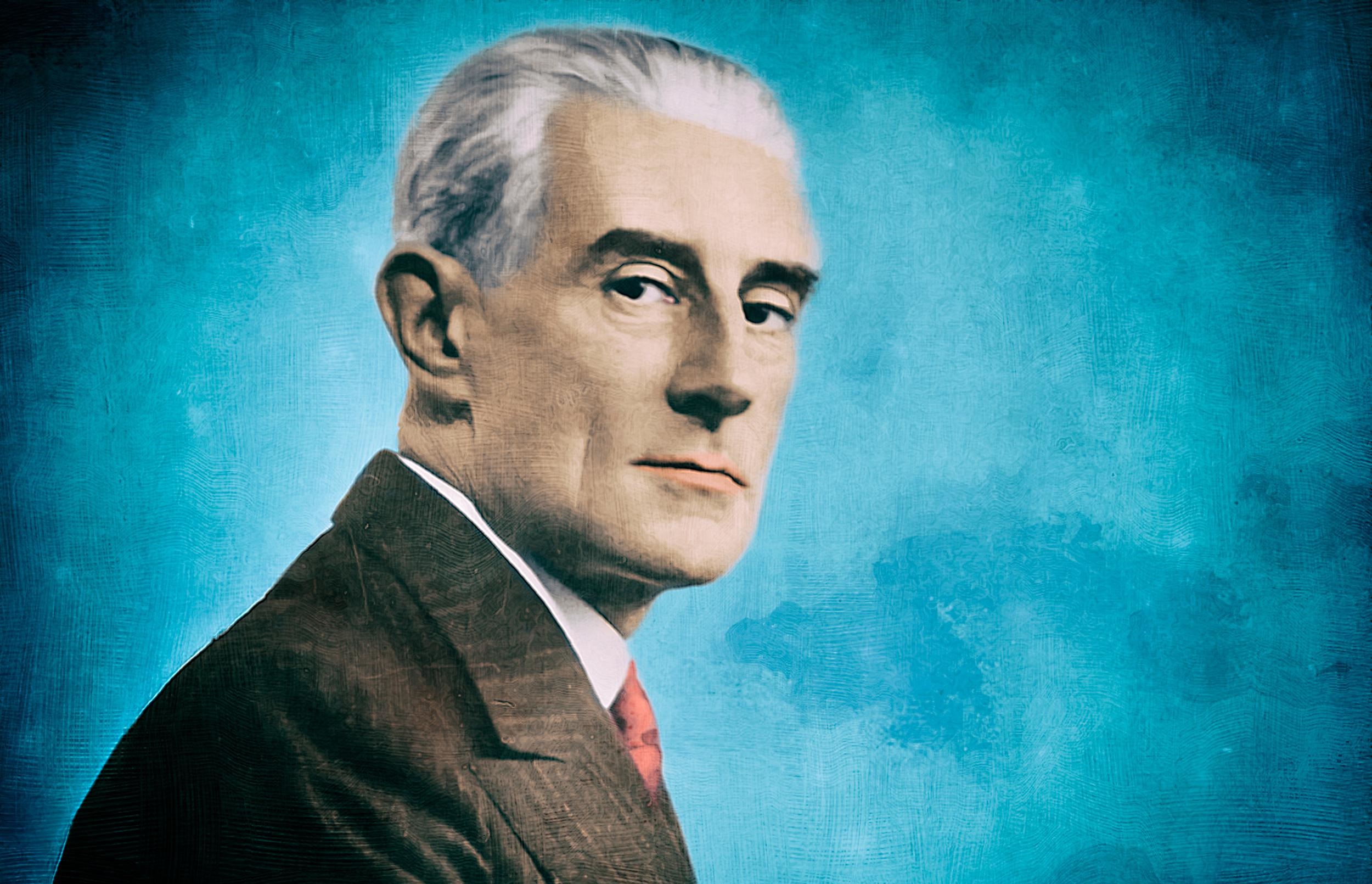
Maurice Ravel was one of the most influential and innovative composers of the late nineteenth and early twentieth centuries. Known for his extraordinary craftsmanship, brilliant orchestration, and distinctive musical style, Ravel helped shape the course of modern classical music. Although often associated with musical Impressionism alongside Claude Debussy, Ravel developed a unique artistic voice characterized by precision, clarity, elegance, and technical mastery.
His compositions, including Boléro, Daphnis et Chloé, Pavane pour une infante défunte, and La Valse, remain among the most frequently performed works in the classical repertoire. Through his ability to blend traditional forms with modern harmonies and exotic influences, Ravel created music that continues to captivate audiences around the world.
Childhood
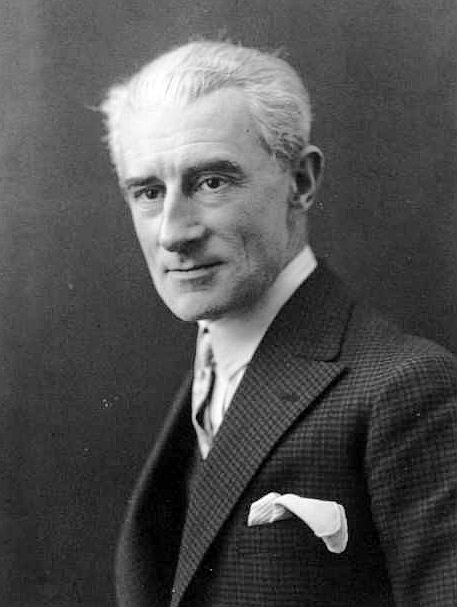
Joseph Maurice Ravel was born on March 7, 1875, in the town of Ciboure, near the French-Spanish border. His father, Pierre-Joseph Ravel, was a Swiss engineer and inventor, while his mother, Marie Delouart, was of Basque heritage. The cultural diversity of his family background would later influence many aspects of his musical imagination.
Shortly after his birth, the family moved to Paris, where Ravel spent most of his childhood. Growing up in the French capital exposed him to a vibrant artistic environment. His parents recognized his musical talent at an early age and encouraged his studies.
Ravel began piano lessons when he was seven years old and soon demonstrated remarkable musical abilities. By the age of twelve, he had already begun composing simple pieces. His fascination with music grew steadily, and his family supported his ambition to pursue a professional musical career.
The sounds and traditions of his mother’s Basque culture remained deeply embedded in his memory and later appeared in several of his compositions. His childhood was marked by intellectual curiosity, artistic sensitivity, and an appreciation for both French and Spanish cultural influences.
Youth
In 1889, at the age of fourteen, Ravel entered the prestigious Paris Conservatoire. There he studied piano, harmony, counterpoint, and composition under some of France’s most respected musicians.
Although he possessed exceptional talent, Ravel was not always viewed favorably by the institution’s conservative faculty. His innovative harmonic language and independent artistic personality often clashed with traditional academic expectations. As a result, his progress at the Conservatoire was uneven, and he experienced several setbacks.
During his student years, Ravel became associated with a group of young artists and intellectuals known as “Les Apaches.” This circle included musicians, poets, painters, and writers who admired artistic experimentation and modern ideas. Their discussions and collaborations helped shape Ravel’s creative outlook.
In the 1890s, he composed several early works that revealed his distinctive style. Pieces such as Menuet antique and Pavane pour une infante défunte attracted attention for their elegance and originality. These compositions demonstrated his fascination with color, texture, and refined musical expression.
One of the most controversial episodes of his youth involved the Prix de Rome, France’s most prestigious composition competition. Despite multiple attempts, Ravel repeatedly failed to win the prize. The resulting scandal, known as the “Ravel Affair,” exposed biases within the French musical establishment and ultimately contributed to reforms at the Conservatoire.
Adulthood
By the early twentieth century, Ravel had established himself as one of France’s leading composers. His works gained recognition not only in France but also throughout Europe and beyond.
Unlike many of his contemporaries, Ravel was meticulous and deliberate in his compositional process. He often spent months or even years refining a piece to achieve the exact effect he desired. This perfectionism resulted in a relatively modest output compared to other major composers, but nearly every work he completed displayed exceptional craftsmanship.
During World War I, Ravel sought to serve his country despite his small stature and fragile health. After several attempts, he was accepted as a truck driver in the French army. The war deeply affected him, both physically and emotionally. The death of his beloved mother in 1917 further intensified his grief.
Following the war, Ravel entered a period of remarkable artistic maturity. He produced some of his most celebrated compositions and achieved international fame. His reputation grew substantially through performances across Europe and North America.
In 1928, he embarked on a successful concert tour of the United States and Canada. During this visit, he met prominent American musicians, including George Gershwin. Ravel admired American jazz and incorporated elements of the genre into several of his later works.
Although he never married, Ravel maintained close friendships with many artists and intellectuals. He lived a relatively private life and devoted most of his energy to music.
Major Compositions
Pavane pour une infante défunte (1899)
This early masterpiece remains one of Ravel’s most beloved works. Originally composed for piano and later orchestrated, it combines elegance, nostalgia, and lyrical beauty. The piece reflects Ravel’s fascination with Spanish culture and aristocratic imagery.
String Quartet in F Major (1903)
Widely regarded as one of the finest chamber works of the twentieth century, the quartet demonstrates Ravel’s mastery of structure, harmony, and instrumental color. It remains a cornerstone of the chamber music repertoire.
Miroirs (1905)
This collection of piano pieces showcases Ravel’s imaginative use of texture and musical imagery. Each movement depicts a different scene or emotional atmosphere, revealing his extraordinary skill as a composer for the piano.
Gaspard de la nuit (1908)
One of the most technically demanding piano works ever written, Gaspard de la nuit consists of three movements inspired by poetic fantasies. The work is celebrated for its virtuosic challenges and haunting atmosphere.
Daphnis et Chloé (1912)
Often considered Ravel’s greatest achievement, this ballet was commissioned by the Ballets Russes. Its lush orchestration, expansive structure, and brilliant choral writing make it one of the masterpieces of twentieth-century music.
Le Tombeau de Couperin (1917)
Composed during and after World War I, this suite pays tribute both to French Baroque traditions and to friends lost in the war. The work combines elegance with profound emotional depth.
La Valse (1920)
This dramatic orchestral work portrays the decline of the Viennese waltz tradition. While initially appearing festive and glamorous, the music gradually descends into chaos and destruction, creating a powerful artistic statement.
Piano Concerto in G Major (1931)
Influenced by jazz, this concerto combines virtuosity, wit, and lyricism. It remains one of the most frequently performed piano concertos of the twentieth century.
Boléro (1928)
Ravel’s most famous composition consists of a single melody repeated continuously over an unchanging rhythmic pattern. Through gradual orchestral expansion, the piece builds immense tension and excitement. Although Ravel considered it an experiment in orchestration rather than a profound artistic statement, Boléro became one of the most recognizable works in classical music history.
Death
In the early 1930s, Ravel began experiencing serious neurological problems. Although his creative imagination remained active, he gradually lost the ability to compose and communicate musical ideas effectively. His condition puzzled physicians and severely limited his productivity.
As his health deteriorated, he withdrew increasingly from public life. Despite medical consultations and treatments, his condition continued to worsen.
In December 1937, surgeons performed an experimental brain operation in an attempt to alleviate his symptoms. Unfortunately, the procedure was unsuccessful.
Maurice Ravel died in Paris on December 28, 1937, at the age of sixty-two. His death marked the loss of one of the most brilliant musical minds of his era. He was buried in the cemetery of Levallois-Perret near Paris.
Conclusion
Maurice Ravel occupies a unique place in the history of classical music. Combining technical perfection with extraordinary imagination, he created works that remain admired for their beauty, sophistication, and originality. His music bridges the Romantic tradition and the modern age, incorporating influences from Spain, jazz, folk music, and contemporary artistic movements.
More than a century after many of his greatest works were composed, Ravel’s music continues to inspire performers, composers, and audiences worldwide. His mastery of orchestration remains legendary, and his compositions are regularly featured in concert halls, recordings, films, and educational programs.
Through works such as Boléro, Daphnis et Chloé, Gaspard de la nuit, and La Valse, Maurice Ravel secured his place among the greatest composers in the history of Western music. His legacy endures as a testament to artistic precision, innovation, and enduring musical beauty.
Comments are closed