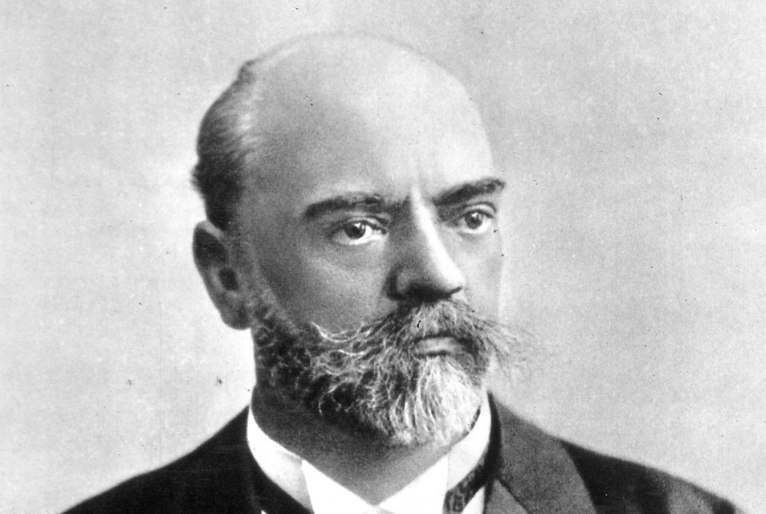
Antonín Dvořák: The Voice of Czech Romanticism
Discover the masterpieces that established Antonín Dvořák as one of the most beloved composers of the Romantic era. Blending rich melodies, folk-inspired rhythms, emotional depth, and masterful orchestration, Dvořák created works that continue to captivate audiences around the world.
Explore the five compositions that define his musical legacy.
About Antonín Dvořák
Antonín Dvořák (1841–1904) was a Czech composer whose music bridges the traditions of European classical music and the folk heritage of his homeland. His compositions are celebrated for their lyrical beauty, vibrant energy, and profound emotional expression.
Throughout his career, Dvořák wrote symphonies, chamber music, operas, concertos, and sacred works that remain central to the classical repertoire. While he composed more than one hundred significant works, several stand out as the pillars of his enduring reputation.
1. Symphony No. 9 in E Minor, “From the New World” (1893)
A Musical Journey Across Continents
The “New World Symphony” is undoubtedly Dvořák’s most famous composition. Written during his stay in the United States, the work reflects his fascination with American musical traditions while retaining the distinctive character of his Czech roots.
Premiered in New York in 1893, the symphony quickly became one of the most performed orchestral works in history.
Why It Matters
- Combines European symphonic tradition with influences from American spirituals and folk music.
- Features some of the most recognizable melodies in classical music.
- Demonstrates Dvořák’s extraordinary skill in orchestration and thematic development.
Highlights
The second movement, Largo, is especially renowned for its deeply moving English horn melody, often associated with nostalgia, longing, and the search for home.
Legacy
Today, the “New World Symphony” remains a favorite among orchestras and audiences worldwide and is often considered one of the greatest symphonies ever written.
2. Cello Concerto in B Minor, Op. 104 (1895)
The Ultimate Cello Concerto
Many musicians and critics regard Dvořák’s Cello Concerto as the greatest concerto ever written for the instrument. Composed near the end of his American period, it transformed perceptions of what the cello could achieve as a solo instrument.
Why It Matters
- Balances virtuosity with profound emotional expression.
- Gives the solo cello a powerful and singing voice.
- Integrates the soloist and orchestra into a seamless musical dialogue.
Highlights
The concerto’s final movement contains passages of remarkable emotional intensity, including references to a song connected to a loved one who had recently passed away.
Legacy
The work is considered a cornerstone of the cello repertoire and is performed by virtually every major cellist.
3. Slavonic Dances, Op. 46 and Op. 72 (1878–1886)
Celebrating Folk Traditions
The Slavonic Dances introduced Dvořák to an international audience and played a major role in establishing his reputation throughout Europe.
Inspired by the dance traditions of Central and Eastern Europe, these lively pieces capture the spirit of folk music without directly quoting traditional melodies.
Why They Matter
- Showcase Dvořák’s gift for memorable melodies.
- Bring national character into classical music.
- Blend sophistication with joyful energy.
Highlights
The dances range from exuberant and festive to lyrical and reflective, creating a colorful musical portrait of Slavic culture.
Legacy
They remain among Dvořák’s most accessible and popular works, frequently performed in both orchestral and piano versions.
4. Rusalka (1901)
Dvořák’s Operatic Masterpiece
While Dvořák is best known for his orchestral music, Rusalka stands as his greatest achievement in opera. Based on Slavic folklore, the story follows a water nymph who longs to become human for the sake of love.
The opera combines fairy-tale elements with profound themes of sacrifice, desire, and identity.
Why It Matters
- Represents the peak of Czech operatic tradition.
- Features rich orchestration and memorable vocal writing.
- Demonstrates Dvořák’s dramatic and storytelling abilities.
Highlights
The famous “Song to the Moon” is one of the most beloved soprano arias in the operatic repertoire and has become a symbol of the opera itself.
Legacy
Rusalka is regularly staged by leading opera companies and remains the most internationally recognized Czech opera after those of Bedřich Smetana.
5. String Quartet No. 12 in F Major, “American” (1893)
Chamber Music at Its Finest
Composed during a summer stay in Iowa, the “American Quartet” reflects Dvořák’s response to the landscapes and cultural experiences he encountered in the United States.
The work combines simplicity, warmth, and melodic freshness, making it one of the most beloved chamber music compositions ever written.
Why It Matters
- Demonstrates Dvořák’s mastery of chamber music.
- Features clear structures and memorable themes.
- Blends European craftsmanship with American influences.
Highlights
The quartet’s opening movement introduces themes that feel both familiar and distinctive, capturing a sense of optimism and openness.
Legacy
It remains one of the most frequently performed string quartets and is often recommended as an ideal introduction to chamber music.
The Enduring Influence of Dvořák
More than a century after his death, Antonín Dvořák continues to inspire performers, composers, and listeners around the world. His music transcends national boundaries while remaining deeply rooted in cultural identity.
Whether through the grandeur of the “New World Symphony,” the emotional depth of the Cello Concerto, the energy of the Slavonic Dances, the lyricism of Rusalka, or the intimacy of the “American Quartet,” Dvořák’s works speak directly to the human experience.
His legacy endures because his music combines technical brilliance with something even more powerful: genuine emotion.
Comments are closed